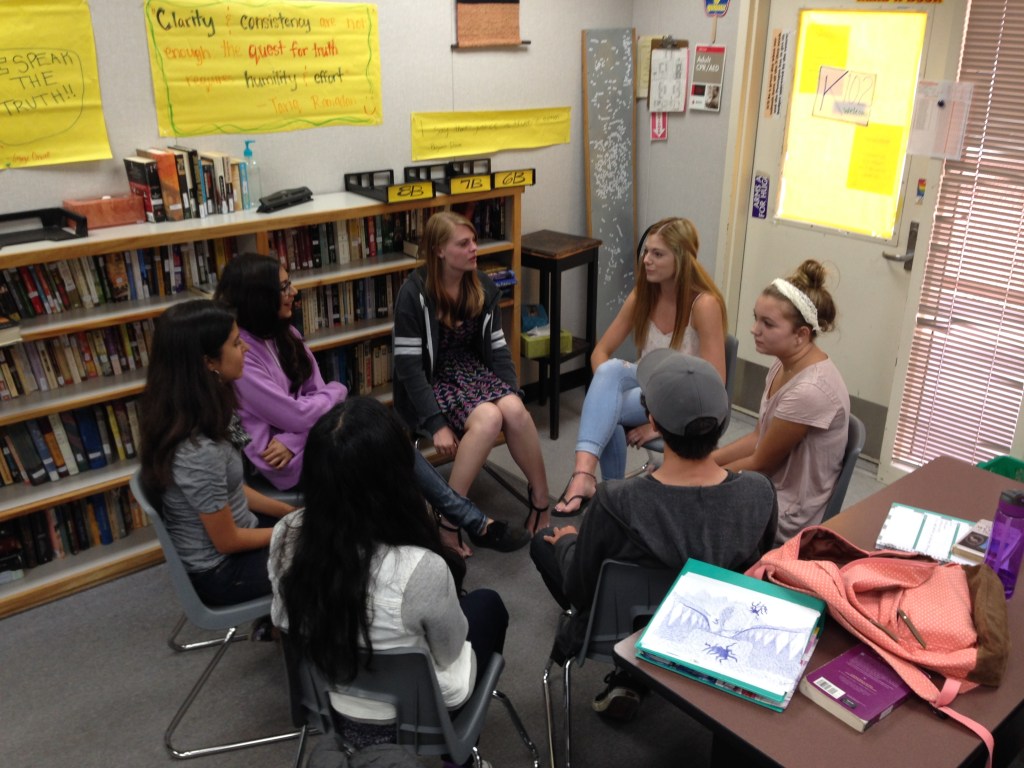
Student-led Discussions: Empowering Students to Take Control of Their Learning
In traditional classroom settings, teachers often lead the discussions and students are expected to listen and engage when called upon. However, in student-led discussions, the roles are reversed – students take charge of their learning by leading and driving the discussion themselves.
What is a student-led discussion?
A student-led discussion is an educational approach where students take ownership of their learning through active participation in group discussions. These discussions can be structured or unstructured, but they all share one fundamental characteristic: students lead them.
In a typical student-led discussion, students come prepared with questions and ideas related to a particular topic or text. They then facilitate the conversation by asking questions and guiding their peers through the process of exploring different perspectives on the subject matter.
Why use student-led discussions?
There are many benefits associated with using student-led discussions in classrooms:
1. It empowers students – Student-led discussions give students more control over their learning experience. This sense of agency helps boost self-confidence and encourages independent thinking.
2. It promotes collaboration – As opposed to traditional classroom settings where only one person speaks at a time, student-led discussions allow for multiple voices to be heard simultaneously. This creates opportunities for collaborative problem-solving and critical thinking.
3. It enhances communication skills – By leading group conversations, students have to articulate complex ideas clearly while also listening attentively to others’ perspectives.
4. It fosters deeper understanding – When given autonomy over how they learn, students tend to engage more deeply with the material because they feel invested in it personally.
How do you implement student-led discussions?
Implementing successful student-driven conversations requires planning ahead of time:
1. Set clear expectations – Before starting any discussion-based activities, make sure that your class understands what’s expected of them regarding behavior, preparation level (reading materials), participation level (listening actively), etc.
2. Provide resources & guidance – In order to ensure a productive discussion, it’s important that students have the necessary resources and guidance at their fingertips. This could include providing prompts or discussion questions ahead of time, creating an outline for how to structure the conversation, or offering tips on how to facilitate group conversations.
3. Encourage active listening – Active listening is essential in student-led discussions. Encourage students not only to express their own ideas but also to listen and respond thoughtfully to what others are saying.
4. Build trust & rapport – Creating a safe space where everyone feels comfortable sharing their thoughts and opinions is critical for fostering open communication and collaboration among group members.
5. Provide feedback – After each discussion, provide feedback on what went well and what needs improvement. This will help identify areas for growth while also reinforcing positive behaviors.
In conclusion
Student-led discussions are an effective approach for empowering students by putting them in charge of their learning experience. By promoting collaboration, communication skills, deeper understanding of material, these types of discussions can be highly beneficial for both teachers and learners alike.
When implementing this approach remember setting clear expectations beforehand crucially aids its success as does providing resources/guidance along with encouraging active listening amongst participants; building trust through open communication fosters better results too while lastly offering constructive feedback after each session helps refine future sessions even further!
 Alternative Amie
Leave a comment