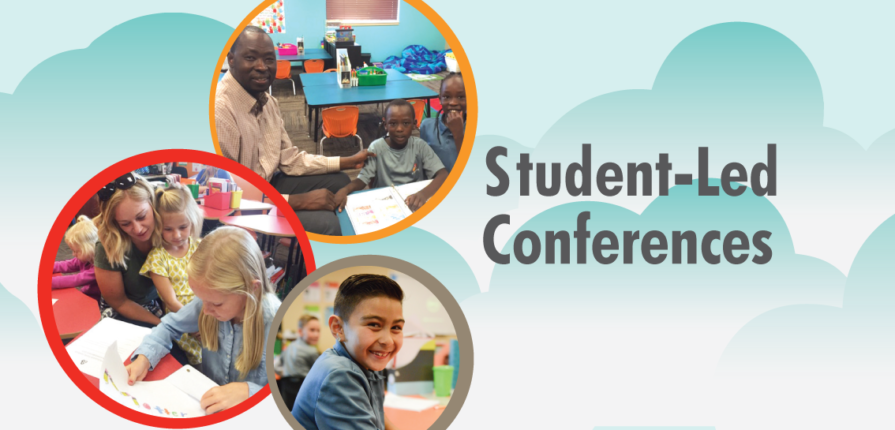
Student-Led Conferences: Empowering Students to Take Charge of Their Education
In traditional parent-teacher conferences, teachers are the ones who do most of the talking while parents listen and ask questions. But in student-led conferences, students take on a more active role by presenting their own learning progress, strengths, weaknesses, and goals to their parents or guardians.
While it may seem unconventional at first glance, student-led conferences offer numerous benefits to both students and parents. In this post, we’ll explore what student-led conferences are all about and how they can transform the way we view education.
What Are Student-Led Conferences?
As the name suggests, student-led conferences put students at the center stage of their own learning journey. Instead of relying solely on teacher evaluations or grades as a measure of success, students get to showcase their growth and accomplishments using various mediums such as portfolios, presentations, journals or digital tools.
During these conferences which typically last between 30 minutes to an hour depending on age level and school policy -students guide their parents through a review of recent assignments or projects completed during class time. They also discuss any challenges they’ve faced along the way with support from teachers where necessary.
The aim is for students to reflect on what they have learned so far in class over an extended period (usually several months) rather than just focusing on one test or assignment score alone. By doing this exercise regularly throughout each academic year, participants gain insight into areas that require improvement while also building self-reflection skills that will benefit them beyond school settings.
Why Are Student-Led Conferences Important?
Student-led conferences help foster autonomy and responsibility among learners by allowing them to set goals based on personal interests instead of only working towards pleasing authority figures like teachers or administrators. It’s an opportunity for children who may not always feel heard in other contexts (such as those with special needs) finally having a chance at being listened to attentively.
Student-led conferences also create a better partnership between parents and teachers in terms of supporting students’ academic progress. Parents are given the opportunity to see their child’s learning progress firsthand and to provide feedback that can help shape future learning goals. It is a collaborative effort where all parties involved work together towards one common goal – the success of the student.
Another benefit is that student-led conferences encourage self-reflection, critical thinking, and problem-solving skills. When students take ownership of their learning journey, they become more accountable for their actions. They learn how to identify areas that require improvement or support from others while celebrating successes along the way.
How Do Student-Led Conferences Work?
The process may vary depending on school policy and grade level, but generally speaking, student-led conferences follow these steps:
1) Preparation: Students gather evidence of their learning such as class assignments, projects or tests scores over an extended period (usually several months). They organize this evidence into a portfolio or digital format which they will use during the conference presentation.
2) Practice: Teachers guide students through rehearsals ahead of time so that they feel confident presenting to guests during the actual conference day.
3) Presentation Day: On this day, each student presents his/her portfolio or other forms of evidence showcasing what he/she has learned over time. Additionally, each student discusses any challenges faced with appropriate solutions discussed alongside teacher support if needed.
4) Reflections & Feedback: After presentations have been made by every participant at times set out in advance – both students and parents get to reflect on what was discussed/learned throughout the conference period before providing feedback about how best they believe improvements can be made going forward based on what transpired during this event
Conclusion
In conclusion, student-led conferences offer numerous benefits for both students and parents alike by creating more meaningful interactions around academic growth and success. Students gain autonomy while developing essential skills like self-reflection; meanwhile teachers and parents get to understand more about their child’s thinking patterns, areas that require improvement while also identifying strengths in the learning process.
Overall, this approach empowers students to take ownership of their education journey and allows for greater collaboration between all parties involved. As schools continue to look for innovative ways of supporting students’ academic progress- student-led conferences should be given serious consideration as they represent a step forward from traditional methods.
 Alternative Amie
Leave a comment