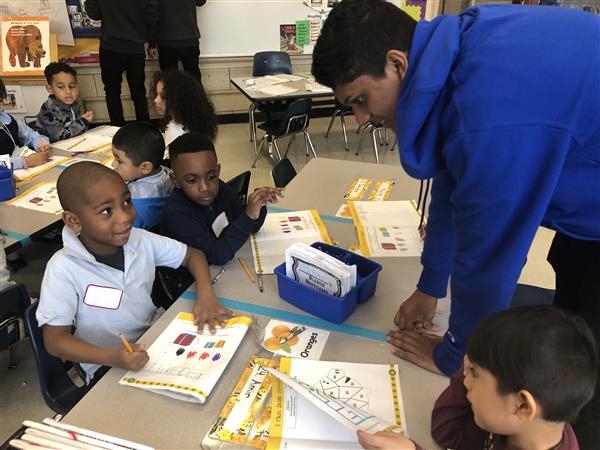
Cross-age Tutoring: An Effective Alternative to Traditional Classroom Learning
Alternative schooling and education have been gaining popularity in recent years as more parents and educators seek innovative ways to enhance student learning. One approach that has garnered attention is cross-age tutoring, which involves pairing students of different ages for academic or social support. This method has shown promise in promoting academic achievement, improving social skills, and enhancing the overall educational experience.
The concept of cross-age tutoring is not new. It dates back to early education systems where older students were tasked with teaching younger ones basic reading, writing, and arithmetic skills. However, it was largely abandoned with the advent of formalized schooling systems where teachers assumed primary responsibility for imparting knowledge.
In recent years though, there has been a renewed interest in this approach due to its potential benefits for both tutors and tutees. In a typical setup, an older student (usually two or more grade levels ahead) provides mentorship or guidance to a younger one struggling with a particular subject area. The interaction may take place within or outside the classroom under the supervision of teachers or adult mentors.
So why is cross-age tutoring becoming an increasingly popular alternative to traditional classroom learning? Here are some reasons:
1) Enhanced Academic Performance
Research suggests that when paired with effective instructional practices such as explicit feedback from trained tutors and structured lessons plans aligned with curriculum standards, cross-age tutoring can lead to significant improvements in academic performance. For instance, studies have shown that elementary school students who received math assistance from older peers achieved higher test scores than their peers who did not participate in peer-tutoring programs.
Moreover, research supports the idea that being able to teach someone else helps strengthen one’s own understanding of a topic by encouraging self-reflection on key concepts and ideas. When upper-grade-level students tutor lower-grade-level ones on specific subjects like math or science areas they may be struggling with themselves; they gain deeper comprehension by having these discussions.
2) Personal and Social Development
In addition to academic benefits, cross-age tutoring can help foster personal and social development. Younger students may feel more comfortable seeking help from older peers than adults or teachers; they may see the older student as a role model which makes it easier to seek guidance in academics, social skills, or even emotional support. Moreover, tutors themselves develop leadership skills that come in handy later in life such as communication, conflict resolution strategies, empathy and critical thinking.
3) Cost-Effective
Cross-age tutoring is an affordable alternative compared to hiring professional tutors or investing in expensive educational technology. In many cases, schools already have the resources needed for successful peer-tutoring programs such as training materials and staffing support. This means that schools can allocate their limited budgets towards other pressing needs like textbooks and classroom supplies while still providing an effective learning experience for students across grade levels.
4) Increased Engagement
Another benefit of cross-age tutoring is increased engagement among students who might otherwise be disinterested in traditional classroom learning methods. Pairing younger students with older ones creates a sense of community within the school environment where everyone has something valuable to contribute. Students are also more likely to stay on task when working with peers than when working alone or with adults which reduces distractions and keeps them focused on learning objectives.
While there are several benefits associated with cross-age tutoring as an alternative approach to traditional classroom settings, it should be noted that not all peer-tutoring programs are created equal. For instance; implementing poorly structured programs could lead to negative outcomes such as reinforcing poor study habits or discouraging independent work by relying too much on peer assistance.
To ensure successful implementation of peer-tutoring programs under this system requires careful planning by educators who must consider factors like tutor selection criteria (e.g., academic performance history), frequency of interaction between tutees/tutors (ideally multiple sessions per week), curriculum alignment between grade levels and program duration (longer programs work better than shorter ones).
In conclusion, cross-age tutoring is a promising alternative to traditional classroom learning that offers significant benefits to both tutors and tutees. It enhances academic performance, promotes social and personal development, increases engagement among students and is cost-effective compared to other forms of educational support. However, successful implementation requires careful planning by educators with consideration of crucial factors such as tutor selection criteria, curriculum alignment, frequency of interaction between tutee/tutor pairs and program duration.
 Alternative Amie
Leave a comment