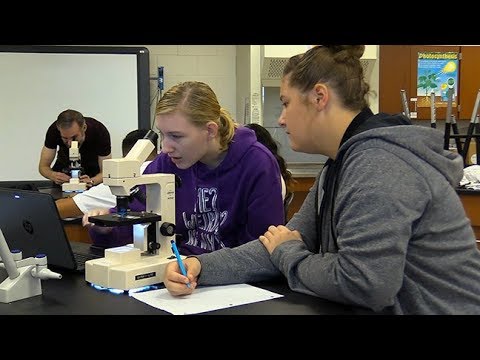
As a writer and journalist, I have come across various forms of education systems, but early college programs for underrepresented populations remain one of my favorites. It is an innovative approach to education that allows high school students from disadvantaged backgrounds to take college courses while still in high school and earn credits towards their degree.
Early college programs offer a unique opportunity for these students to get a head start on their higher education. It provides them with the chance to experience what it is like to be in college before actually enrolling, which can be intimidating for many first-generation students or those who have never had a family member attend college.
Furthermore, early college programs are designed specifically for underrepresented populations such as low-income families and minority groups. These groups often face financial barriers that limit their access to quality higher education. Early college programs provide them with an affordable option by allowing them to take courses at little or no cost while still in high school.
Apart from the financial benefits, early college programs also offer academic advantages. Students who participate in these programs are more likely to complete their degrees on time compared to those who do not. This is because early exposure allows them to build better study habits and adjust quickly when they transition into full-time university studies.
Another significant advantage of early colleges is the support system provided by faculty members and mentors. The program offers personalized attention from professors who understand the challenges faced by underrepresented populations and can provide guidance tailored towards helping them succeed academically.
Moreover, participating in an early-college program offers students opportunities beyond academics that will help shape their future careers positively. They gain valuable networking experience through internships and job shadowing opportunities that give them exposure into different career fields they may never have considered otherwise.
The benefits of being part of an early-college program extend beyond individual achievements; it has far-reaching effects on society’s overall advancement as well. By providing equal educational opportunities regardless of economic status or race, we can create a more diverse and inclusive workforce that benefits all.
It is essential to note that early college programs are not just beneficial to students; they also offer advantages to the community as a whole. By investing in underrepresented populations’ education, we can break cycles of poverty and increase economic growth by creating more skilled workers who contribute positively to society’s development.
In conclusion, early college programs for underrepresented populations are an innovative approach to education that provides low-income families and minority groups with access to quality higher learning at little or no cost. The program offers numerous academic and financial benefits while providing students with valuable networking opportunities beyond academics. As such, it is crucial for policymakers and educational stakeholders alike always to support these initiatives as they have far-reaching effects on society’s overall advancement.
 Alternative Amie
Leave a comment