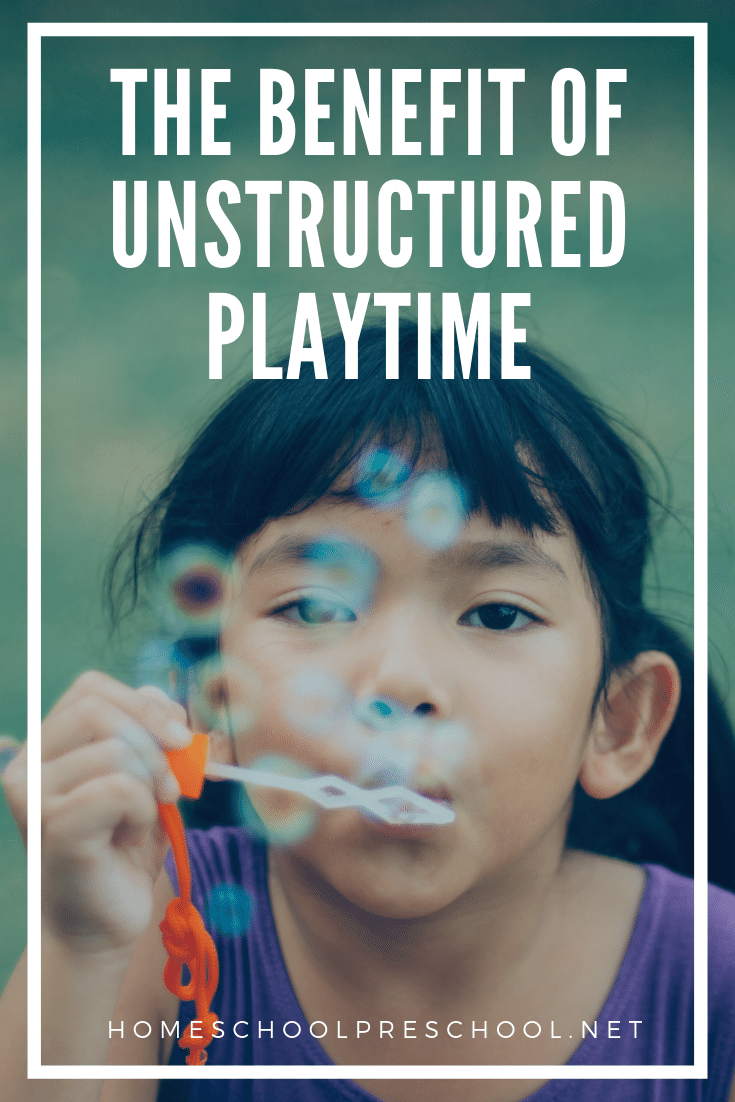
Unstructured Play: A Crucial Component of Alternative Schooling and Education
In today’s society, there is a growing awareness of the importance of play in early childhood development. However, many people are still unaware that unstructured play can be just as critical to children’s growth and learning as structured forms of play.
Unstructured play refers to any type of free play that does not have a set goal or objective. This type of play allows children to explore their environment, experiment with different materials and ideas, and engage in creative problem-solving. It also provides them with opportunities for social interaction, collaboration, and imagination-building.
Alternative schooling and education often prioritize unstructured play as an essential component of their curriculum. Schools such as Montessori schools, Waldorf schools, unschooling programs, and democratic schools all value the benefits that unstructured play can offer children.
One reason these alternative educational models emphasize unstructured play is that it allows children to lead their own learning experiences. When given the freedom to choose what they want to do during free time at school or home, young learners are more likely to pursue activities that interest them personally. By doing so, they become more engaged in their own learning process and develop a sense of ownership over their education.
Another benefit is the opportunity for children to develop self-regulation skills through unstructured play. Without adult direction or guidance on how they should behave during this time, kids must learn how to manage emotions like frustration or anger when things don’t go according to plan or when conflicts arise with peers.
In addition, unstructured play gives students an outlet for creativity by allowing them space for imaginative thinking outside standard classroom instruction. Children who participate in open-ended activities may practice problem-solving solutions independently by looking at situations from different angles without fear of judgment from others around them.
Overall research has shown numerous benefits associated with both structured & Un-Structured Play which help improve cognitive flexibility abilities, memory skills, language development, and social-emotional learning. Therefore it’s necessary to provide ample opportunities for both structured and unstructured play within alternative schooling or education programs as students can benefit greatly from these experiences in the long run.
In conclusion, incorporating unstructured play into the curriculum of alternative schools is essential for providing children with engaging, student-led learning experiences that foster creativity and self-regulation. By valuing this type of play and allowing time for it during each school day, educators can help students develop a strong sense of ownership over their own education while still meeting academic standards.

 Alternative Amie
Leave a comment