Translanguaging: A Memoir
As a writer and journalist, I have always been fascinated by the power of language. How it shapes our thoughts, influences our actions, and ultimately defines who we are. But growing up in a multilingual household in a small town in rural America, I quickly learned that language is much more than just words on a page or sounds coming out of our mouths.
My parents immigrated to the United States from Mexico when they were teenagers. They came seeking better opportunities and a chance at the American Dream. Like many immigrants, they faced countless challenges as they tried to navigate this new country and culture. One of those challenges was learning English.
I remember watching my parents struggle to communicate with their coworkers, neighbors, and even teachers at my school. They would often ask me for help translating documents or interpreting conversations. As a child, it was both frustrating and empowering to be put in that position.
But what I didn’t realize then was that my family’s experience was not unique. Millions of people around the world live in multilingual households or communities where multiple languages are spoken every day. And for these individuals, language is not just a means of communication but also an essential part of their identity.
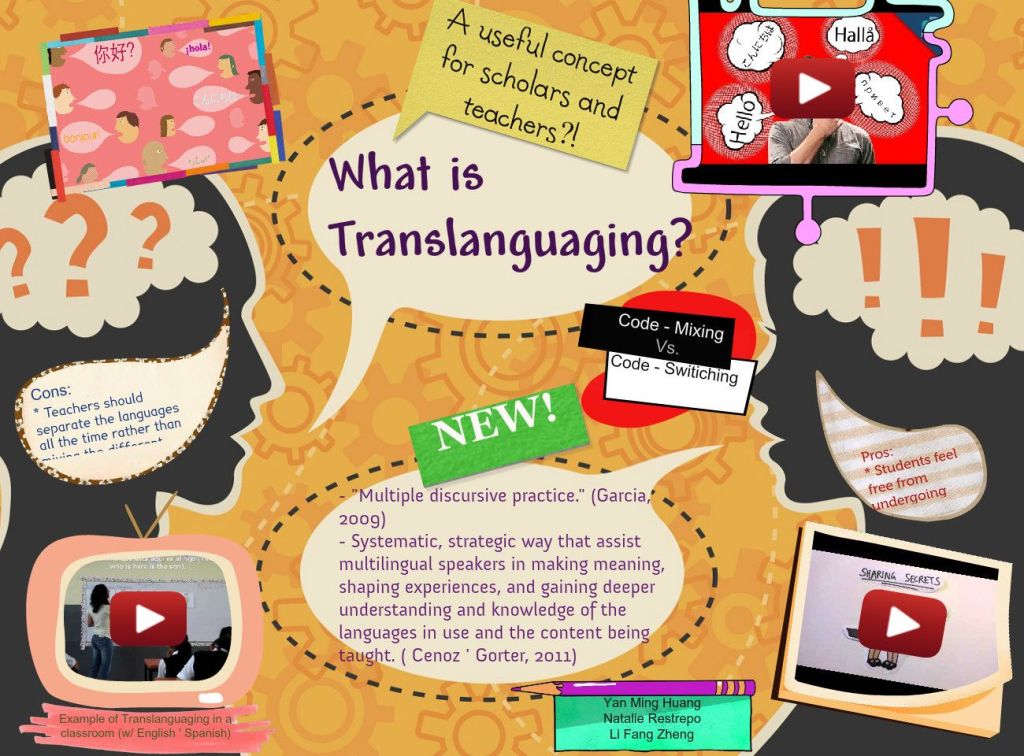
This concept is known as translanguaging – the practice of using all available linguistic resources for communication purposes. Instead of treating different languages as separate entities that must be kept apart from one another, translanguaging encourages individuals to use whatever combination of languages works best for them in any given situation.
For example, instead of insisting that students only speak English while at school or requiring them to translate everything into their native language before speaking with others who don’t share that same language background (a common practice known as code-switching), translanguaging allows students to freely move between languages depending on what makes sense for them at any given moment.
This approach has been shown to have numerous benefits for both language learners and educators. For students, translanguaging can help them feel more comfortable and confident in the classroom, as they are able to use their entire linguistic repertoire instead of feeling restricted by the dominant language of instruction.
Translanguaging can also help students better understand complex concepts and ideas, as they are able to draw on multiple languages’ unique vocabularies and cultural references. Additionally, translanguaging can promote bilingualism and biliteracy by encouraging students to develop proficiency in both their native language(s) and the language(s) of instruction.
For educators, translanguaging can provide valuable insights into their students’ backgrounds, experiences, and identities. By recognizing that every student brings a unique set of linguistic resources to the classroom, teachers can create more inclusive learning environments that celebrate diversity rather than seeking to erase it.
But despite these potential benefits, many schools around the world still view multilingualism as a problem rather than an asset. In some cases, this is due to outdated policies or attitudes that prioritize monolingualism over diversity. In other cases, it may stem from a lack of awareness or understanding about what translanguaging actually entails.
As someone who has lived through the challenges (and joys) of growing up in a multilingual household myself, I believe that it’s time for us all – educators included – to embrace translanguaging as an essential part of 21st-century education. Instead of trying to force everyone into a one-size-fits-all mold when it comes to language use and acquisition, we should be celebrating our differences and finding ways to build bridges between different cultures and communities.
In conclusion,
Translanguaging is not just a pedagogical approach but also an important social justice issue. By embracing translanguaging practices in our classrooms and communities around the world we stand together on common ground with greater empathy for each other’s experience no matter where you come from or what your background is.
 Alternative Amie
Leave a comment