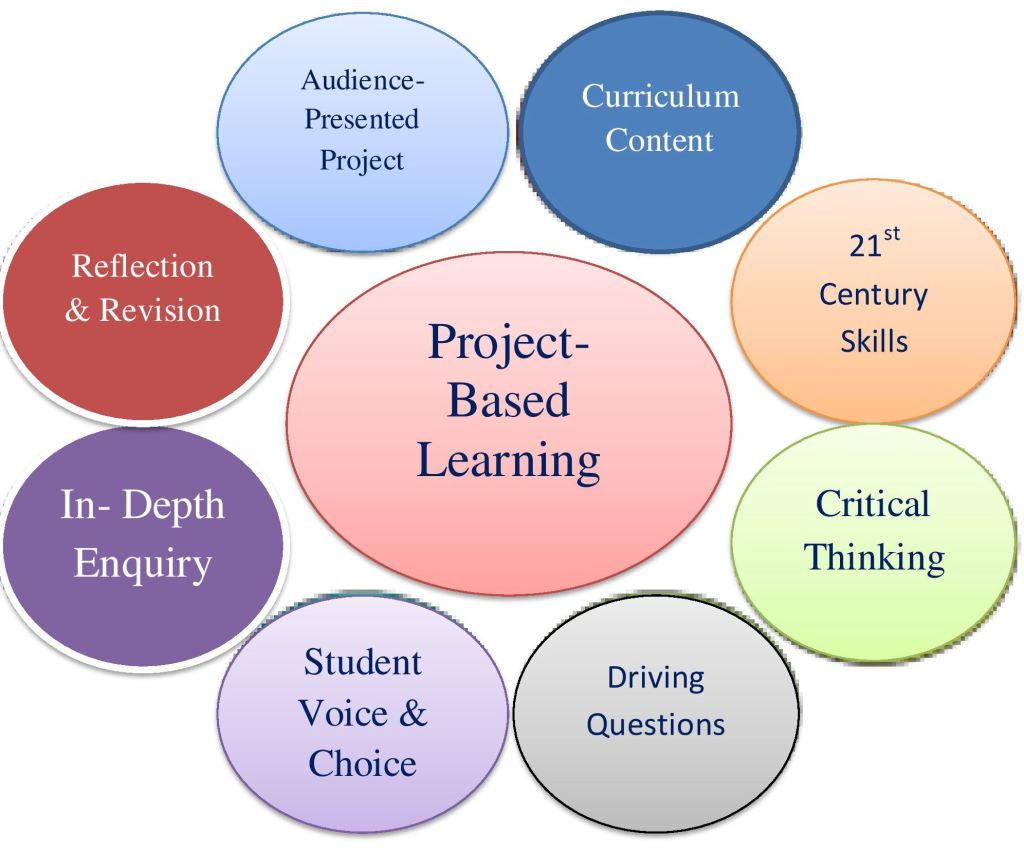
Project-Based Learning: A Hands-On Approach to Education
There are many ways to approach education, but one method that has gained popularity in recent years is project-based learning. Project-based learning (PBL) is a hands-on approach where students actively engage in projects that require them to solve problems and think critically. Rather than simply memorizing information, students learn by doing and applying what they have learned.
The philosophy behind PBL is that it allows students to take ownership of their learning. Instead of being passive recipients of information, they become active participants who are responsible for their own education. This can help to increase engagement and motivation as well as develop essential skills such as collaboration, communication, creativity, and critical thinking.
In a PBL classroom, the teacher acts more like a facilitator than an instructor. They provide guidance and support while allowing the students to take charge of their own learning. This creates a student-centered environment where individual needs are met, and all learners can thrive.
One key aspect of PBL is that it involves real-world problem-solving. Students work on projects that relate to issues or challenges relevant to their lives or communities. For example, in science class, students might be asked how they could reduce pollution in their local waterways or improve air quality in their city. In social studies class, they may explore ways to address poverty or homelessness within their community.
Projects can vary significantly depending on the subject matter and grade level but typically follow this process:
1. Identify a problem or challenge
2. Research the issue
3. Develop possible solutions
4. Implement solutions
5. Reflect on what was learned
The project should be challenging enough so that it requires critical thinking skills but not too difficult so that it becomes overwhelming for students.
One benefit of PBL is its ability to promote interdisciplinary learning – integrating multiple disciplines into one project helps learners see connections between different subjects which leads them towards understanding complex concepts. For example, a project on climate change could involve research in science, social studies, and language arts.
Another benefit of PBL is that it can be adapted to suit various learning styles and abilities. Students who struggle with traditional classroom settings may find PBL more engaging as they are allowed to work at their own pace and take ownership over their learning.
PBL also prepares students for the real world by teaching them skills that they will need in life beyond school. By working collaboratively on projects, they learn how to communicate effectively, build relationships with others, problem-solve effectively, self-reflect on their actions and decisions – all essential skills for success in today’s workforce.
However, implementing PBL isn’t always easy — it requires significant planning and preparation from teachers. Teachers must identify topics or issues that will engage students while meeting curriculum standards. They must also design assessments that accurately measure student progress toward learning goals while taking into account individual differences.
Additionally, teachers must provide adequate support throughout the process to help students stay focused and motivated. This includes providing feedback as well as opportunities for revision and reflection so that students can improve upon their work.
Despite these challenges though, the benefits of PBL are clear: it provides an immersive educational experience that encourages critical thinking skills among learners of all ages.
In conclusion
Project-based learning is a valuable approach to education because it encourages active participation from learners rather than passive absorption of information. It promotes interdisciplinary connections between different subjects while developing essential life skills such as communication, collaboration critical thinking creativity among other things thereby preparing them better for the challenges ahead after leaving school.
Although there are some challenges involved in implementing PBL successfully (such as finding appropriate topics), its many benefits make it a worthwhile endeavor for both educators and learners alike!
 Alternative Amie
Leave a comment