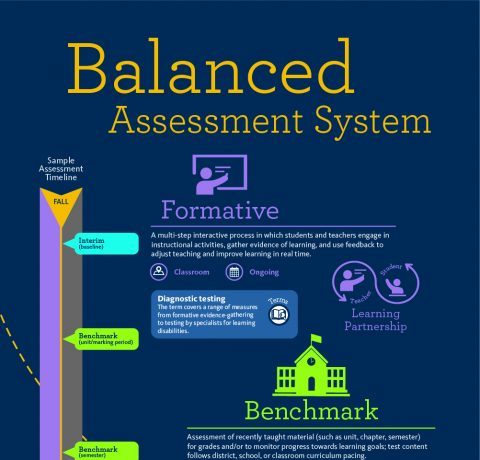
Assessment of Learning: A Comprehensive Guide
Assessment of learning is a crucial aspect of education. It is the process of evaluating what students have learned and how well they have understood it. Assessment helps teachers understand their students’ strengths and weaknesses, identify areas where more teaching is required, and provide feedback to improve student performance.
There are two main types of assessment in education: formative and summative.
Formative Assessment
Formative assessment occurs throughout the learning process. It involves activities that help students learn while providing feedback to both the teacher and student about progress toward learning goals. These assessments may be informal or formal. Examples include class discussions, quizzes, homework assignments, peer evaluations, self-assessments, etc.
Formative assessments provide valuable information for teachers to adjust instruction based on individual needs. The goal is to give timely feedback so that students can make adjustments before moving on to new material. This approach improves student achievement by allowing them to focus their efforts on specific areas where improvement is needed.
Summative Assessment
Summative assessment evaluates student knowledge at the end of a unit or course through exams or projects. Its purpose is to determine if learning objectives were met successfully by assessing what has been learned over time rather than during a particular lesson or activity.
The results from summative assessments are used primarily for grading purposes but can also be used for evaluating program effectiveness as well as identifying gaps in curriculum coverage.
Importance of Balanced Assessment
Balanced assessment uses both formative and summative assessments in an organized manner that provides meaningful information about student progress towards achieving educational goals over time like understanding complex concepts through alternative schooling methods such as homeschooling or unschooling..
Balanced assessment approaches take advantage of multiple sources of data collected from different perspectives (such as parents, teachers, peers) using various techniques (like self-assessment) which ensures that learners receive constructive feedback regularly leading up until final exams resulting in higher quality education.
In conclusion, assessment of learning is a critical component in the teaching and learning process. It helps teachers identify students’ strengths and weaknesses, provides feedback to improve student performance, and ensures that educational goals are met. A balanced approach using both formative and summative assessments is necessary for an effective evaluation of student learning outcomes.
 Alternative Amie
Leave a comment