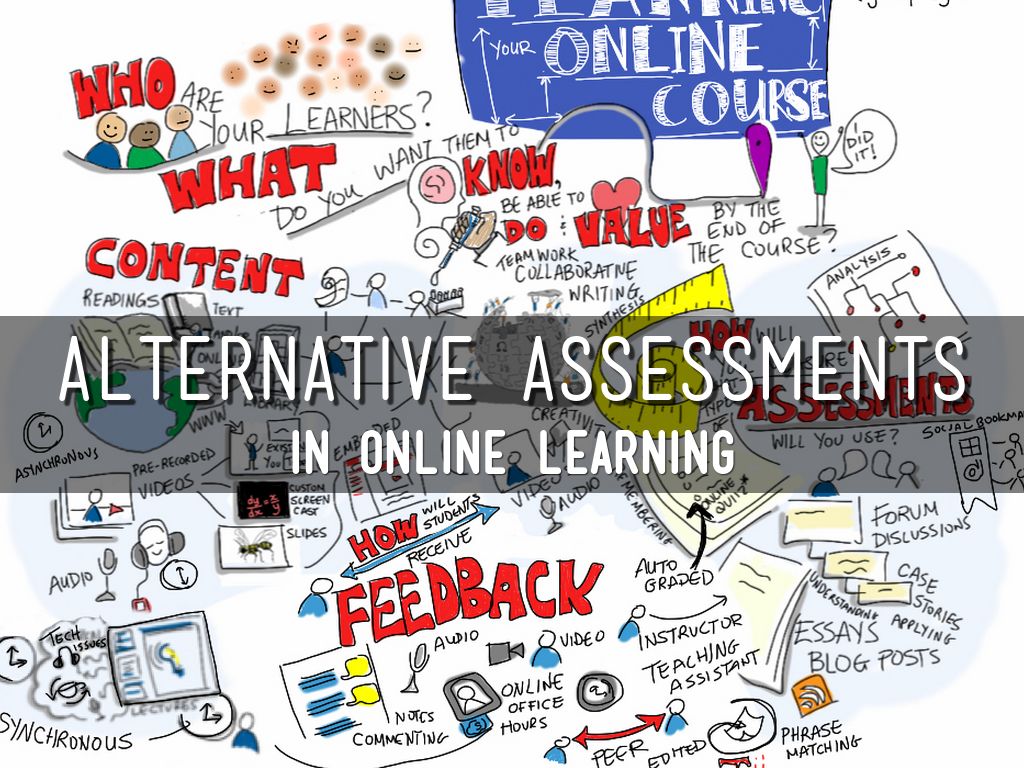
Alternative Assessments and Evaluations in Unschooling: A Comprehensive Guide
Unschooling, also known as self-directed or child-led learning, is a homeschooling philosophy that centers on the idea of allowing children to follow their interests and passions while facilitating their exploration of various subjects. However, one common question asked by parents considering unschooling is how they can assess their child’s progress without traditional assessments like tests and grades.
Fortunately, there are several alternative assessments and evaluations that unschoolers can use to measure their child’s growth and development. Here are some examples:
1. Portfolios – This assessment method involves collecting samples of the student’s work over time to demonstrate mastery of skills and concepts. Parents can include written assignments, artwork, photographs, videos, recordings, etc., that showcase what the child has learned.
2. Self-assessment – In this evaluation method, students are encouraged to reflect on their own learning process and identify areas where they need improvement. This approach fosters critical thinking skills while giving students ownership over their education.
3. Project-based learning – With project-based learning (PBL), students engage in hands-on activities that require them to apply concepts learned in real-world contexts. PBL encourages problem-solving skills while providing opportunities for authentic assessment through observation of student performance.
4. Narratives – Parents can write narratives describing what the child has learned during a particular period or unit of study based on observations made over time.
5. Interviews – Interviews involve having conversations with children about what they have learned or experienced related to specific topics or projects undertaken during a given period.
One major advantage of using alternative assessments is that it allows for more flexibility in evaluating student progress than traditional testing methods do because each child learns differently; therefore each might respond better to different approaches towards assessing them accordingly.
Another benefit is that alternative assessments promote deeper understanding by encouraging critical thinking skills instead of just memorizing information for test-taking purposes.
In conclusion, unschooling provides an excellent opportunity for children to explore their interests while developing critical thinking skills; however, parents must find alternative ways to evaluate their child’s progress. Portfolios, self-assessment, project-based learning, narratives and interviews are some of the many possibilities available to assess student growth and development in unschooling. These alternative assessments emphasize the importance of fostering a love for learning while providing opportunities for authentic evaluation methods that measure skill acquisition and mastery.
 Alternative Amie
Leave a comment