Rubrics and Scoring Guides: The Secret to Success in Alternative Education
As a student in alternative education, you may have heard the terms rubric or scoring guide thrown around by your teachers. But what exactly are these mysterious documents, and why do they matter so much? Let’s break it down.
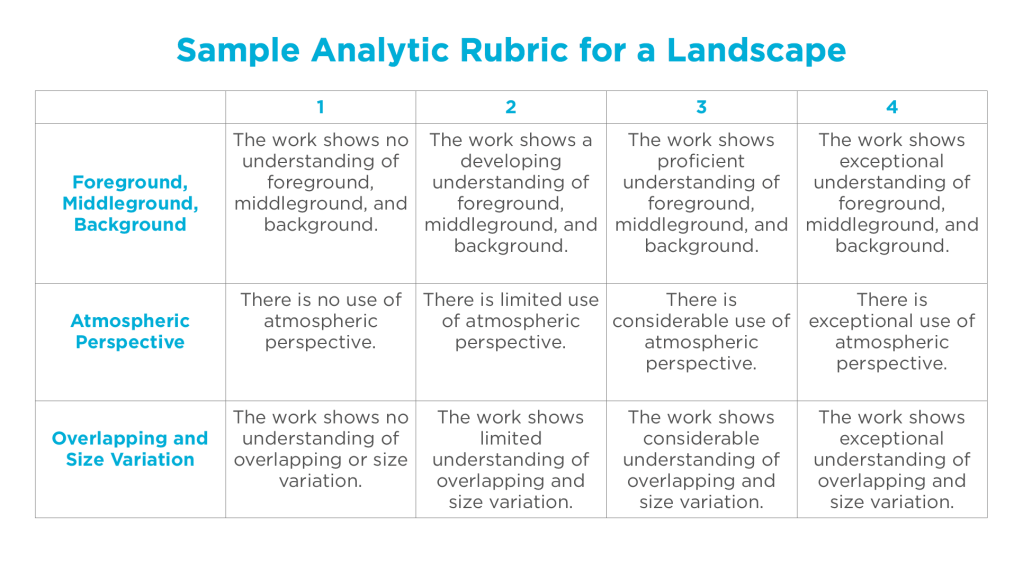
At its core, a rubric is simply a set of guidelines for evaluating student work. It typically lists the criteria that will be used to assess a project or assignment, along with descriptions of what each level of achievement looks like. For example, if you were creating a rubric for an essay, the criteria might include things like organization, evidence, and grammar/spelling. Under each criterion would be several levels of achievement (e.g. “Excellent,” “Good,” “Fair,” etc.) with specific descriptions of what constitutes each level.
Scoring guides are similar to rubrics but tend to be more quantitative in nature. They often assign point values to various aspects of an assignment based on their importance or difficulty level. For instance, an oral presentation scoring guide might award points for factors such as eye contact, volume/projection, and use of visual aids.
So why should you care about these seemingly pedantic documents? Well first off – they can make your life easier! By providing clear expectations up front, rubrics help ensure that everyone is on the same page when it comes to what’s expected from an assignment. You won’t have to guess whether your teacher wants more emphasis on creativity or accuracy because everything will be spelled out clearly.
In addition to making assignments less stressful overall – using rubrics can also improve the quality of your work by giving you insight into where you need improvement specifically. Suppose your writing skills are great but organization is tricky for you – seeing this reflected in your grades via the corresponding sections on the grading scale helps give feedback that is easy to understand and actionable!
Furthermore – using standardized grading criteria can help reduce the subjectivity that is often present in evaluation processes. This means that you won’t have to worry about your teacher’s personal biases or preferences impacting your grade, as everything will be based on objective measures outlined in the rubric.
Finally – and perhaps most importantly – using rubrics and scoring guides can help prepare you for future academic endeavors and even careers outside of school! Many colleges use similar criteria when evaluating papers or projects, so being familiar with these types of documents early on can only benefit you down the line.
Of course, it’s worth noting that not all teachers may use rubrics or scoring guides consistently (or at all). If this is the case for you and you’re struggling with unclear expectations or inconsistent grading, don’t hesitate to bring up these concerns with your instructor. After all, if there’s one thing we know for sure about alternative education – it’s that communication is key!
In conclusion… Rubrics and scoring guides may seem like boring pieces of paper at first glance but they are actually incredibly useful tools for both students and teachers alike. By providing clear expectations up front, reducing subjectivity in grading processes, helping identify areas where improvement is needed specifically- among other benefits- they are truly an essential part of any successful alternative education program.
 Alternative Amie
Leave a comment