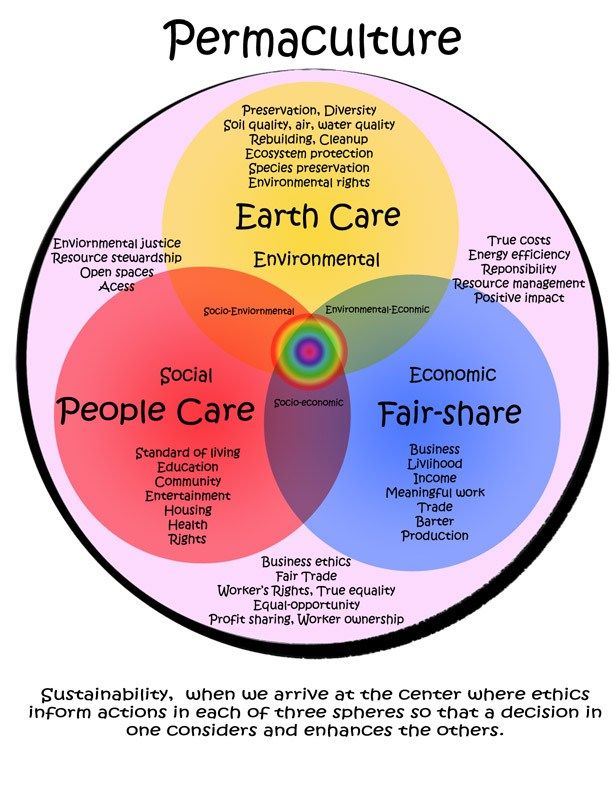
Permaculture is a term that has been gaining popularity in recent years, and for good reason. It’s a holistic approach to sustainable living that combines principles of agriculture, design, and ecology. However, like any movement or philosophy, it has its share of quirks and idiosyncrasies.
One key principle of permaculture is the idea of “stacking functions.” This means designing systems so they serve multiple purposes at once. For example, you might plant fruit trees along the edge of your property not just for their delicious produce but also to provide shade for other plants and create a windbreak.
While this may seem like common sense to some people, others take it to the extreme. I once met someone who had built an entire chicken coop on top of his compost pile so that the birds could scratch through the compost and turn it over while also providing eggs and meat. This may sound efficient in theory, but I can’t help but wonder how practical it really is.
Another permaculture principle is “observing and interacting with nature.” The idea here is to work with natural systems rather than against them. Instead of trying to control every aspect of your environment (which can lead to monocultures and other problems), you should observe what’s already there and find ways to integrate your own goals into those existing patterns.
Again, this makes sense in theory – we should all strive to be more connected with nature – but sometimes permaculturists take it too far. I’ve heard stories of people who refuse to trim back invasive species on their land because they believe everything has a purpose in the ecosystem. While I admire their commitment to non-interventionism, there comes a point where we have to recognize that some species are simply harmful or dangerous.
A related concept in permaculture is “using small-scale solutions.” This means focusing on local resources rather than relying on large-scale industry or technology. For example, instead of buying fertilizer from a store, you might compost your own food scraps and use that to enrich your soil.
Again, this is a great idea in theory. But sometimes it can lead to some strange practices. I once visited a permaculture farm where the owner had built an entire chicken coop out of discarded pallets and scrap wood. While I appreciate the resourcefulness, it was hard not to wonder if the chickens would have been happier in a more traditional structure.
All that being said, I don’t want to discredit permaculture as a whole. It’s an important movement that has done a lot of good in promoting sustainable living and reconnecting people with nature. But like any philosophy or lifestyle choice, it’s important to approach it with critical thinking and common sense.
At its best, permaculture encourages us to think creatively about how we live on this planet and find ways to work with – rather than against – natural systems. At its worst, it can lead us down some odd paths that may not be practical or feasible for everyone. As long as we keep our feet on the ground (and our heads out of the clouds), permaculture can continue to be an inspiring force for change in our world today.
 Alternative Amie
Leave a comment