Socratic Circles in Practice: An Overview
Alternative schools and education systems have been around for centuries, but in recent years, they have gained more popularity than ever before. One of the hallmarks of alternative schooling is the use of Socratic circles – a teaching method that has its roots in ancient Greece.
What is a Socratic Circle?
A Socratic circle can be defined as a group discussion that focuses on a single topic or question. It is an open-ended conversation where participants are encouraged to explore different perspectives and ideas. The goal is not to arrive at a conclusion but rather to investigate and analyze the topic thoroughly.
The process involves several steps:
1. The facilitator introduces the topic or question.
2. Participants take turns answering the question or sharing their thoughts.
3. Each participant listens carefully to what others say and builds upon their responses.
4. The facilitator summarizes key points and insights at the end of the discussion.
5. Participants reflect on what they learned from the experience.
Benefits of Socratic Circles
Socratic circles offer several benefits that make them an effective teaching tool:
1. Encourages critical thinking: By engaging in thoughtful dialogue, students learn how to analyze information objectively, evaluate different perspectives, and develop their own opinions based on evidence.
2. Promotes collaboration: Socratic circles foster teamwork as students work together towards understanding complex issues by building upon each other’s ideas while respecting differences among individuals.
3. Enhances communication skills: Participating in discussions helps students develop listening skills, articulate their thoughts clearly, ask clarifying questions, and respond respectfully to others’ viewpoints – all essential communication skills for success in life beyond school walls.
4.Increases engagement: Interactive discussions keep learners engaged with learning material which increases retention rates compared with traditional passive lectures where little engagement occurs.
How to Implement Socratic Circles
Before implementing this strategy into your classroom routine consider taking these following steps:
1. Choose the right topic: Select a topic that is relevant and interesting to your students. It should be something that encourages discussion, provides multiple perspectives, and challenges learners to think deeply.
2. Set clear expectations: Establish ground rules for participation, including active listening, respectful communication, open-mindedness toward diverse opinions as well as adhering to time limits.
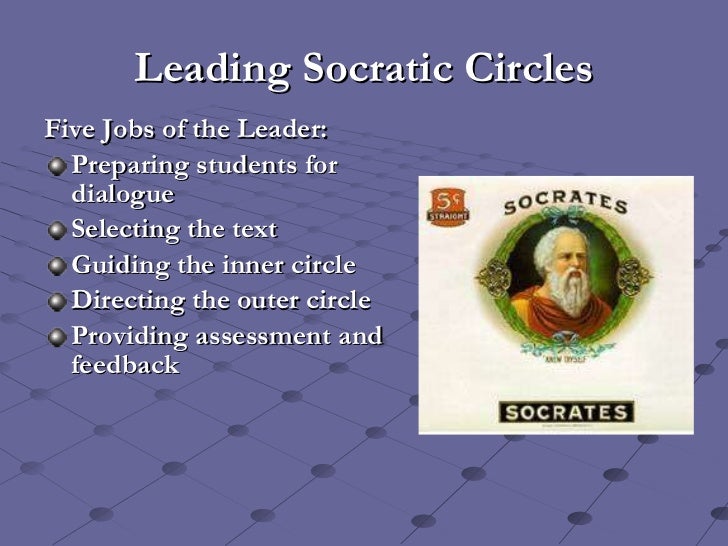
3. Train facilitators: Ensure that the individual facilitating the Socratic circle understands the process and their role in guiding discussions towards productive outcomes; they can also expand on ideas presented by participants.
4. Practice makes perfect: Start small with short sessions of 10-15 minutes initially before increasing duration where students become more comfortable with the process over time.
5. Provide feedback: Encourage reflection and provide regular feedback on areas for improvement so learners can continue refining their skills through constructive criticism.
Conclusion
Socratic circles are an effective teaching strategy used in alternative schools worldwide due to its ability to foster critical thinking skills while promoting teamwork and communication abilities among learners. By following these steps mentioned above when implementing this tool into your classroom routine – you can experience its benefits firsthand!
 Alternative Amie
Leave a comment