Reggio Emilia Approach: A Child-Centered and Collaborative Educational Method
The Reggio Emilia Approach is an educational philosophy that originated in the city of Reggio Emilia, Italy after World War II. The approach is child-centered, emphasizing the importance of children’s interests and abilities in shaping their learning experiences. It also stresses collaboration between teachers, parents, and community members to create a supportive learning environment for children.
Here are some key aspects of the Reggio Emilia Approach:
1. Emergent Curriculum – The curriculum emerges from the interests and questions of children rather than being predetermined by adults. Teachers observe what children are interested in and use that as a starting point for planning activities.
2. Project-Based Learning – Projects are long-term investigations that allow children to explore topics they care about deeply. Projects can last weeks or even months, giving students time to engage with complex ideas and collaborate with others.
3. Documentation – Teachers record what happens during classroom activities through photographs, videos, notes, and other forms of documentation. This helps both teachers and students reflect on their experiences and learn from them.
4. Collaboration – Parents, teachers, and community members work together to support children’s learning. Parents are seen as partners in education rather than just passive recipients of information.
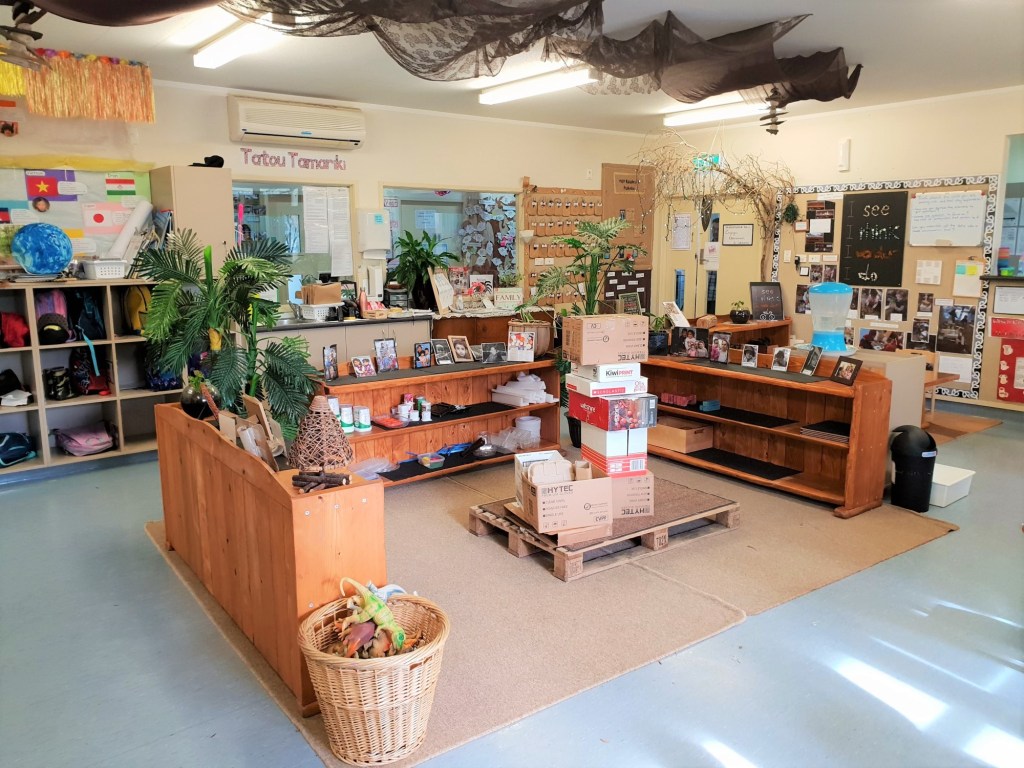
5. The Environment as Third Teacher – Classroom environments are intentionally designed to encourage exploration, creativity, movement, socialization, and independence among students.
6. Arts Integration – Art is integrated into all aspects of learning because it allows children to express themselves creatively while also developing cognitive skills like problem-solving.
The Reggio Emilia Approach has been implemented around the world in various settings including preschools, elementary schools,special education programs,and even high schools.The approach values curiosity,self-expression,collaboration,and lifelong learning.It encourages educators,to be creative,flexible,and responsive,to meet each child where they are at.In doing so,it creates rich educational opportunities for young learners and a culture of respect,creativity,and collaboration that can serve them well throughout their lives.
 Alternative Amie
Leave a comment