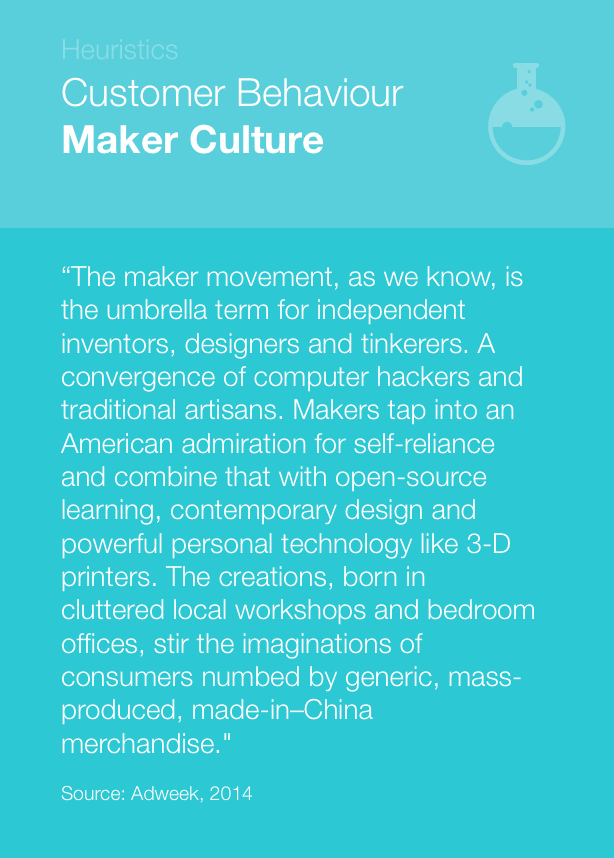
Alternative schooling and education are often the perfect breeding grounds for creativity, innovation, and out-of-the-box thinking. This is why many students who attend alternative schools or homeschooling programs are drawn to maker culture. Maker culture values a hands-on approach to learning that emphasizes the importance of creating things with one’s own two hands.
One of the most popular aspects of maker culture is upcycling and repurposing materials. Upcycling refers to taking something old or discarded and turning it into something new, useful, or beautiful. Repurposing involves finding new uses for everyday objects. Both practices can help reduce waste and promote sustainability.
Another exciting area within maker culture is soft circuits and e-textiles. These involve incorporating electronic components into fabric-based projects such as clothing or accessories. Soft circuits use conductive thread instead of traditional wires, making them more flexible and versatile than standard electronics.
Kinetic sculptures and automata are another fascinating aspect of maker culture that combines artistry with engineering principles. Kinetic sculptures move in response to external stimuli while automata use gears, levers, cams, and other mechanisms to create movement in a predetermined pattern.
Biomimicry and nature-inspired design take inspiration from nature’s best ideas to solve human problems sustainably by emulating designs found in nature like butterfly wings which inspired solar cells design among others.
Low-tech engineering challenges require students to find creative solutions using only simple tools or household items available at home rather than complex technology leading to practical skills development.
Interactive storytelling with technology is an engaging way for students to combine writing skills with digital media production techniques like augmented reality (AR) applications using apps like HP Reveal or Aurasma which overlay video content on printed visuals when viewed through smartphones’ cameras.
Sustainable energy projects teach learners about renewable sources of energy such as wind turbines, solar panels while DIY musical instruments allow them explore sound waves manipulation through physical interaction mainly relating music-making to science.
Wearable technology incorporates electronic components into clothing or accessories that can track fitness levels, monitor health parameters among other applications while 3D printing for social good allows students to create objects that are useful in their communities.
Artbots and drawing machines utilize simple robotics techniques to create art by automating drawing or painting tools. Arduino programming for beginners introduces learners to the basics of coding through hands-on projects involving microcontrollers, sensors and actuators.
Solar-powered robotics is an exciting way for students to learn about renewable energy sources while exploring basic robotics principles like servos, gears, and motors. Making with recycled electronics encourages reuse of parts from old electronic devices rather than throwing them away contributing towards sustainability.
Paper engineering and pop-up books involve creating three-dimensional structures out of paper allowing students’ creativity flourish in a tactile manner. Haptic feedback devices simulate touch sensation, allowing users to feel sensations generated by computer programs or games leading towards enhanced user experience design skills development.
Computer-aided design (CAD) for kids teaches children how to use digital tools like TinkerCad or SketchUp which allow them explore designing buildings, furniture as well as more complex projects in three dimensions while building with natural materials like cob or straw bales fosters ecological consciousness raising awareness on environmental-friendly construction methods
Finally open-source hardware projects provide a platform where learners can build on existing designs provided by others within the community thus developing collaborative skills alongside technical abilities.
In conclusion Maker culture provides an excellent opportunity for alternative schooling and education systems worldwide where learners can express themselves through practical activities fostering creativity, innovation as well as promoting sustainable living practices thus cultivating self-reliance and problem-solving abilities needed in today’s global economy.
 Alternative Amie
Leave a comment