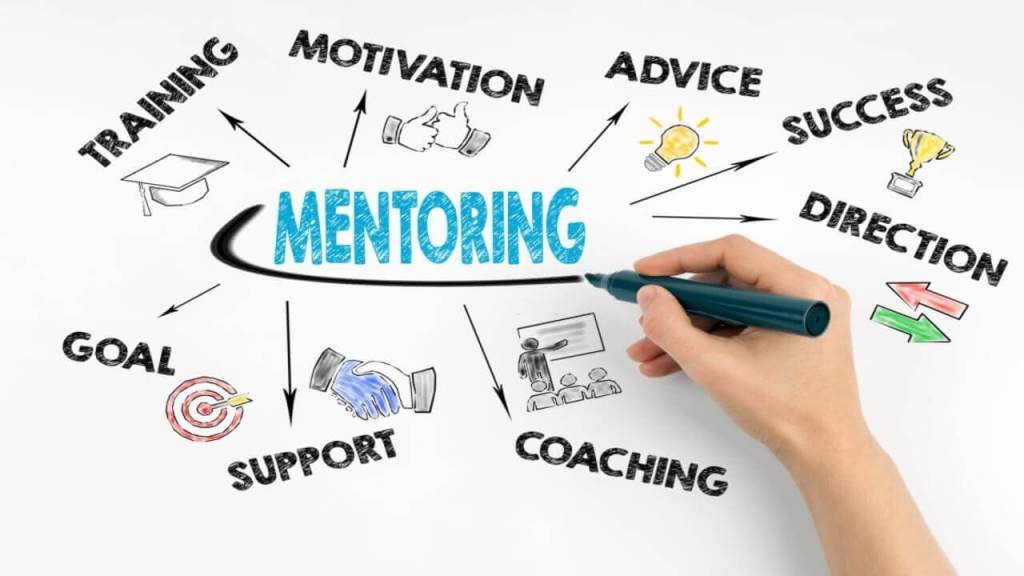
Mentorship for Career Development: A Comprehensive Guide
Career development is a continuous process that requires guidance, support, and encouragement. One of the best ways to achieve this is through mentorship. A mentor can help guide you on your career path by sharing their expertise and experience with you, providing feedback, supporting your growth and development, and helping you navigate challenging situations.
In this article, we’ll explore what mentorship is and how it can benefit your career development. We’ll also discuss how to find a mentor, build a strong relationship with them, and leverage their advice and insights to achieve your professional goals.
What Is Mentorship?
Mentorship is a professional relationship in which an experienced individual (the mentor) provides guidance and support to someone less experienced (the mentee). The goal of the mentor-mentee relationship is to help the mentee grow personally or professionally by sharing knowledge, skills, experience, resources or connections.
Mentoring can take different forms depending on the individuals involved. It may involve one-on-one meetings between the mentor and mentee where they discuss specific challenges or opportunities related to work or education. It may also include shadowing opportunities where the mentee observes the mentor’s work processes or attends meetings with them.
The Benefits of Mentorship
There are many benefits to having a good mentoring relationship:
1. Mentors provide valuable insights into industry trends: Mentors have years of experience working in their field so they can offer valuable insights into market trends that could impact your career trajectory.
2. They offer honest feedback: Good mentors will be able to give you constructive criticism on areas where you need improvement while highlighting areas in which you excel.
3. They provide networking opportunities: Your mentors have established relationships within their industry that they can leverage on behalf of their proteges – introducing them at events or recommending them for jobs down the line.
4. They aid personal growth: By providing targeted guidance, mentors can help you identify areas for improvement and create a plan to overcome any obstacles.
5. They offer a sounding board: Mentors are often available to listen as you flesh out ideas, provide feedback on your plans or strategies, and offer alternative perspectives when necessary.
Finding the Right Mentor
The mentor-mentee relationship is one of the most important relationships you’ll have in your professional life, so it’s essential that you find someone with whom you click. Here are some tips for finding the right mentor:
1. Identify potential mentors within your industry: Look for individuals who have achieved success in your field or industry and whose experience aligns with your interests and goals.
2. Attend networking events: Industry events are an excellent way to meet potential mentors. You’ll be able to engage with people who share similar interests, experiences and skill sets as yours – giving you a good pool of candidates from which to select the best fit for yourself.
3. Join Professional Associations: Professional associations provide opportunities for members to connect with peers in their field through conferences, workshops or online forums where they can learn about job openings or other career opportunities around them.
4. Leverage social media platforms like LinkedIn : Use LinkedIn’s search function to find professionals working in industries relevant to yours; research their background through their profile information before reaching out – this will give insight into what kind of advice they might be able offer based on their own experience.
Building A Strong Relationship With Your Mentor
Once you’ve identified a potential mentor, it’s crucial that you build strong ties by building rapport early on:
1. Be clear about what you want from the mentoring relationship: It’s important that both parties understand why they’re engaging in this type of partnership so everyone involved has clear expectations going forward.
2.Communicate regularly : Establish how frequently meetings will occur – weekly? Bi-weekly? Monthly? Make sure these dates are adhered to, and that both parties are fully present during the time set aside for these conversations.
3. Respect their time: Mentors often have busy schedules so be mindful of this when scheduling meetings – arrive on time and keep your questions concise to make the most of your allotted meeting times.
4. Be open to feedback: Develop a growth mindset by accepting constructive criticism from your mentor as an opportunity for personal development and learning.
Leveraging Your Mentor’s Expertise
Once you’ve established a strong relationship with your mentor, it’s important to leverage their expertise in ways that help you achieve your career goals:
1. Ask specific questions: Come prepared with specific questions related to areas of interest or concern – whether it’s on how they navigated difficult situations, built successful teams or overcame similar challenges in their own careers.
2. Seek out new opportunities: By leveraging the network of professional contacts available through mentors’ connections, mentees can learn about potential job openings or other opportunities that align with their goals and interests.
3. Learn from their experiences: Often times mentors will have already gone through scenarios that mentees may be currently facing – use this wealth of experience as a resource to guide decision making processes effectively.
4. Act on advice given: As much as possible, implement any advice given by mentors while reflecting upon its effectiveness along the way (and adjusting accordingly).
Conclusion
Mentorship is a valuable tool in achieving career success because it provides guidance, support and insights from individuals who have already achieved success within one’s chosen field . The benefits are many including honest feedback on performance; networking opportunities; access industry trends knowledge; aid in personal growth; offering a sounding board etc..
Finding the right mentor takes effort – but there are several strategies one can employ such as attending networking events, joining professional associations , utilizing social media platforms like LinkedIn etc.. Once you’ve identified potential candidates , building rapport early on is essential in establishing a strong relationship. Finally, leveraging your mentor’s expertise is key to achieving your career goals – so come prepared with specific questions and be open to feedback to gain the most benefit from this type of partnership.
 Alternative Amie
Leave a comment