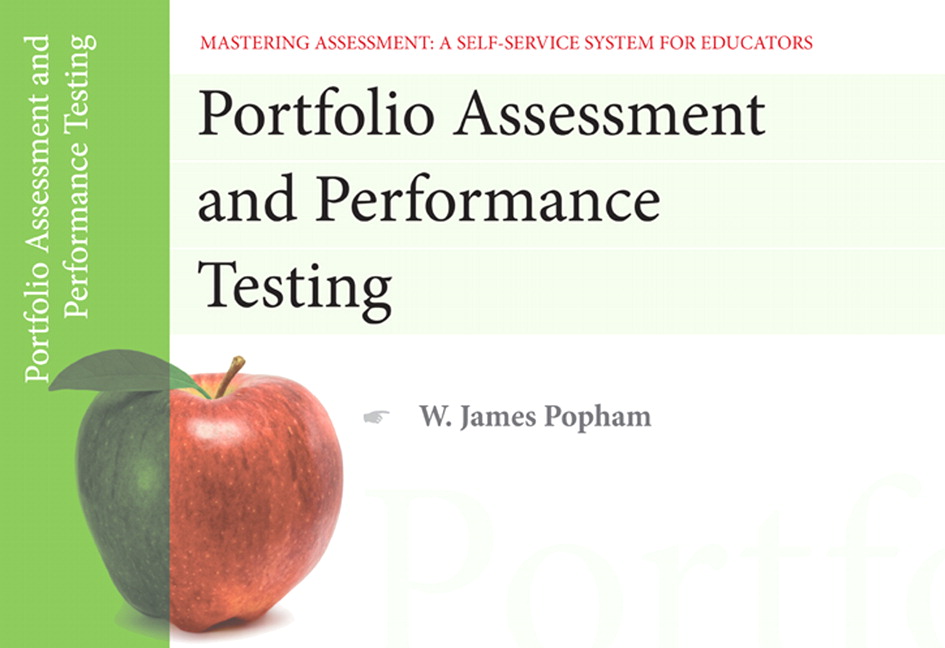
Portfolio Assessments for Special Education Students: A Comprehensive Guide
In the field of special education, assessing students’ progress and growth can be challenging. Traditional forms of assessments like exams, quizzes, and standardized tests may not be appropriate or effective for all learners. Portfolio assessments have emerged as a valuable tool to measure student achievement in alternative ways that honor individual differences and diverse learning styles.
What is a portfolio assessment?
A portfolio assessment is a collection of evidence that demonstrates a student’s learning over time. It includes samples of student work, reflections on learning experiences, feedback from teachers or peers, and other artifacts that showcase their skills and knowledge in various domains. The purpose of portfolio assessments is to provide a comprehensive picture of what students know and can do beyond what traditional tests measure.
Why use portfolio assessments in special education?
Portfolio assessments are particularly useful for special education students because they offer multiple benefits:
1) They allow for flexibility: Since portfolios are personalized collections of work based on individual goals and objectives, they offer more flexibility than standardized tests. This means students with different abilities can demonstrate their achievements in unique ways instead of being pigeonholed into one-size-fits-all testing formats.
2) They encourage reflection: When students create portfolios, they reflect on their own learning processes by analyzing their strengths and weaknesses. This metacognitive process helps them develop self-awareness about how they learn best which leads to greater independence in future academic pursuits.
3) They promote communication: Portfolios also provide opportunities for collaboration between teachers, parents/guardians, therapists (e.g., speech-language pathologists), related service providers (e.g., occupational therapists), and other stakeholders involved in the child’s educational journey. By sharing information about the contents of the portfolio, everyone gains insights into the student’s progress towards meeting IEP goals/objectives.
How to implement portfolio assessments effectively?
Implementing effective portfolio assessment practices requires careful planning and preparation:
1) Establish clear goals: Before starting the portfolio assessment process, it’s essential to define what you want to achieve. This includes identifying the purpose of the portfolio (e.g., documenting progress towards IEP goals), determining what evidence will be included, and outlining how feedback will be provided.
2) Involve students in the process: Students should have a say in selecting work samples for their portfolios. By involving them in this process, they gain ownership over their learning experiences and feel empowered to showcase their unique skills and strengths.
3) Provide guidance on quality criteria: To ensure that portfolios are meaningful representations of student achievement, provide guidelines for selecting work samples based on specific quality criteria. For example, if a student is working on improving writing skills, encourage them to include pieces that demonstrate growth in areas such as organization, clarity of ideas, sentence structure or grammar.
4) Use technology tools: Digital portfolios can increase accessibility and make it easier to share with all stakeholders involved in the child’s education. Online platforms like Google Sites or Seesaw allow students to upload digital files (e.g., images or videos), write reflections or comments about their work samples and receive feedback from teachers or peers remotely.
5) Schedule regular check-ins: Portfolio assessments should not be a one-time event but rather an ongoing process that involves regular check-ins between students and teachers/therapists/parents/guardians. These meetings offer opportunities for reflection on progress made towards established goals/objectives while also providing valuable feedback about next steps.
Conclusion
Portfolio assessments are valuable tools for special education students because they provide personalized ways of measuring learning that go beyond traditional tests. They help promote self-awareness about how individual learners learn best while fostering collaboration among all stakeholders involved in supporting these learners’ academic journeys. By implementing effective portfolio assessment practices, educators can celebrate each student’s unique abilities while ensuring they’re making progress towards meeting IEP goals/objectives.
 Alternative Amie
Leave a comment