Nonverbal Learning Disorder (NLD) is a neurological condition that affects the way individuals process information. While it’s not officially recognized in the Diagnostic and Statistical Manual of Mental Disorders (DSM), it’s still an important condition to be aware of, especially for parents and teachers who work with children.
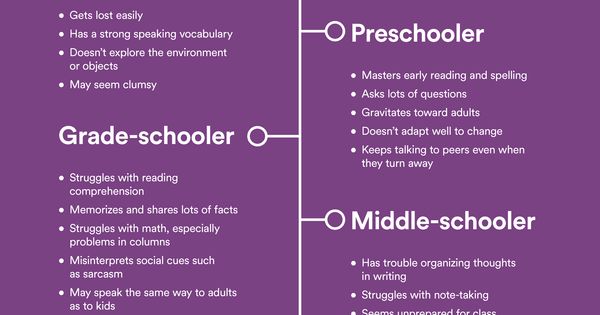
Individuals with NLD tend to struggle with nonverbal cues, such as facial expressions and body language. They may also have difficulty interpreting social interactions, making friends, and understanding sarcasm or humor. Additionally, they may struggle with organization skills, fine motor skills, math concepts, visual-spatial skills and abstract reasoning.
It’s important to understand that NLD is not just a learning disability- it impacts an individual’s overall functioning in daily life. It can lead to problems at school or work, as well as difficulties in personal relationships.
Symptoms of NLD
The symptoms of NLD can vary from person to person. Some common symptoms include:
1. Difficulty processing nonverbal cues: Individuals with NLD may have trouble interpreting facial expressions like anger or sadness. They may also have difficulty reading body language like crossed arms or slumped shoulders.
2. Poor spatial awareness: People with NLD often have trouble understanding where objects are in relation to one another- this includes their own bodies which leads them to frequently bump into things accidentally.
3. Struggle With Math Concepts: Individuals diagnosed with NLD might find math challenging because they cannot visualize numbers or concepts easily leading them towards confusion when working on algebraic equations involving multiple steps that require visualization.
4. Tendency To Be Literal: People diagnosed with Nonverbal Learning Disorder often take what others say literally which means they miss out on figurative language nuances behind jokes and idioms used by other people around them.
5.Difficulties In Social Interaction: The disorder makes it difficult for these individuals to pick up social cues that are essential for developing friendships. This makes it difficult for them to form relationships, which can lead to feelings of isolation and loneliness.
6. Struggle with fine motor skills: Individuals with NLD may struggle with tasks such as tying shoes or buttoning a shirt due to difficulties with fine motor coordination.
7. Organization Skills: They have trouble organizing their thoughts and ideas in writing or other types of work requiring organization leading towards incomplete writings, projects, and assignments that don’t follow the directives given by the teacher or manager.
Causes
The exact cause of NLD is still unknown but researchers believe it might be related to problems within the right hemisphere of the brain where visual-spatial processing takes place. It’s also believed that genetic factors play a role in its development since many people diagnosed tend to have family members with similar symptoms.
Diagnosis
There is no specific test for diagnosing Nonverbal Learning Disorder; however, a comprehensive evaluation conducted by a qualified professional can help identify symptoms consistent with this condition. The evaluation would usually include an assessment of cognitive functioning, language skills, social-emotional functioning, and academic achievement levels.
Treatment Options
While there’s no cure for NLD, several interventions have been found effective in helping individuals cope better:
1) Occupational therapy: This therapy helps individuals improve their fine motor skills and overall organization abilities through exercises designed to strengthen hand-eye coordination and promote spatial awareness.
2) Social skill training: Specialized intervention programs teach children how to recognize nonverbal cues like facial expressions and body language when interacting with others making them better at understanding conversations happening around them as well as developing lasting relationships.
3) Speech Therapy: Helps build communication skills so they can express themselves effectively without losing track on important points during group talks or presentations creating confidence among these special learners while delivering speeches on various occasions including seminars and conferences amongst other public events involving speaking engagements.
4) Individualized Educational Programs (IEPs): These are educational plans tailored to each student’s individual needs. They can include accommodations such as extra time on assignments, alternative testing formats, or assistive technology.
5) Medications: While there is no medication specifically for NLD, doctors may prescribe medications to help manage symptoms like anxiety or depression that often accompany the disorder.
Conclusion
Nonverbal Learning Disorder (NLD) is a complex condition that affects an individual’s ability to process nonverbal cues and function in daily life. It can be challenging for both children and adults diagnosed with this condition but early intervention is key in helping them develop strategies to cope more effectively with their difficulties. With proper diagnosis and treatment, individuals with NLD can lead productive lives- making it essential for parents, teachers, and healthcare professionals alike to understand its symptoms and how best they can support those who have been diagnosed with this condition.
 Alternative Amie
Leave a comment