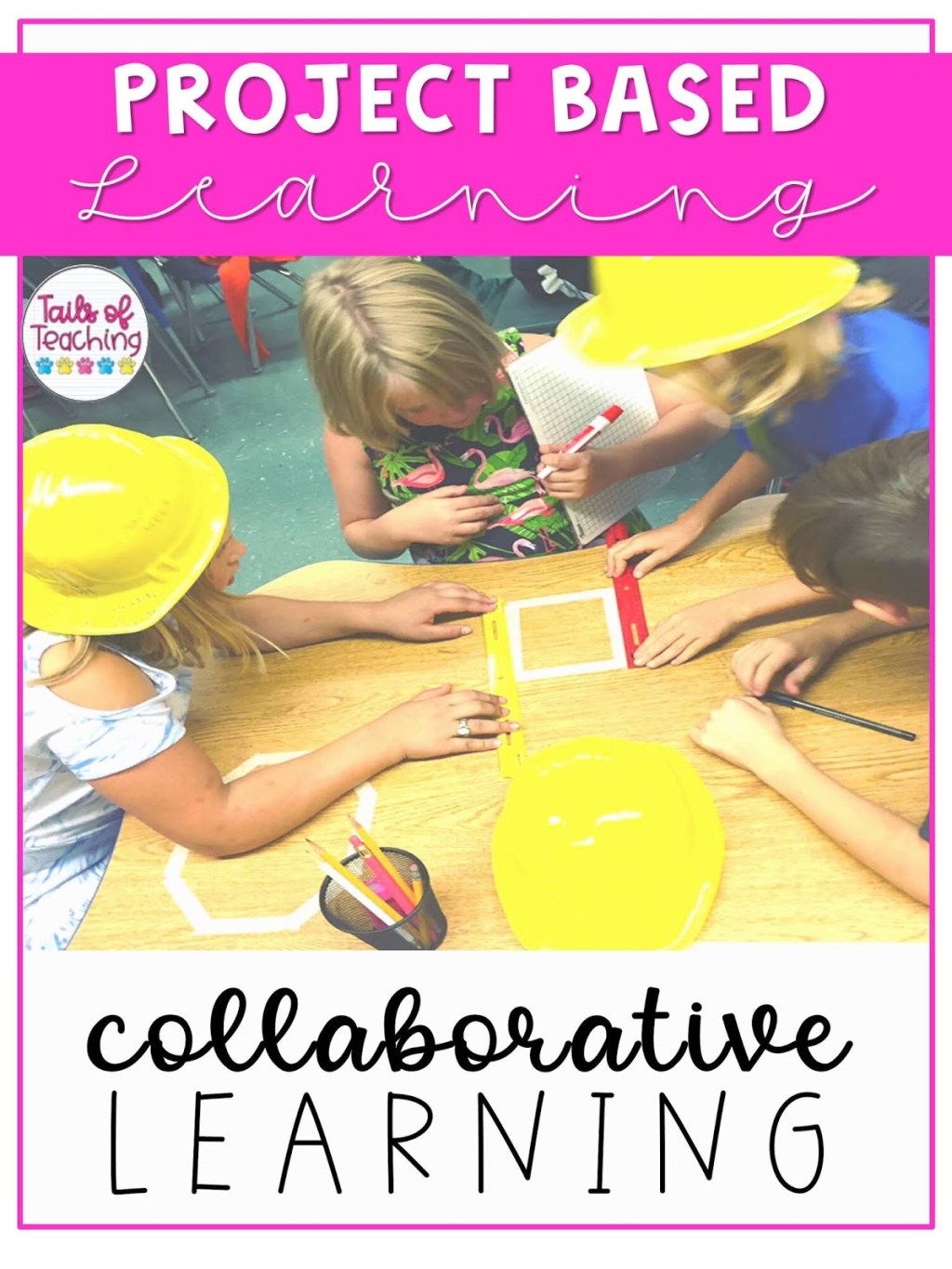
As a writer and journalist who has spent the better part of my career covering topics related to education, I have come across numerous approaches to teaching and learning. However, one approach that stands out is project-based learning (PBL). PBL is an innovative teaching method that allows students to learn by doing things rather than just listening or reading about them. In this memoir-style post, I will share some insights on PBL based on my experience as a writer and educator.
My first encounter with project-based learning was during my time as an English teacher in a rural school district in the Midwest. I had always been interested in alternative teaching methods that centered around student-centered pedagogy, so when I learned about PBL, it immediately caught my attention.
At its core, PBL is all about giving students real-world problems or scenarios to solve through hands-on projects. These projects are designed to be interdisciplinary, meaning they involve multiple subject areas such as math, science, language arts, social studies among others. For example, instead of asking students to read a book and write an essay about it; teachers could ask them to create a visual display or graphic novel illustrating key themes from the book.
One of the advantages of using project-based learning in the classroom is that it promotes critical thinking skills such as problem-solving and decision-making abilities. It also encourages creativity since students are free to explore different ways of solving problems without being constrained by traditional methods.
Another benefit of PBL is that it helps foster collaboration among students since most projects require teamwork for successful completion. This way learners can develop essential communication skills while working together towards common goals.
However, implementing project-based learning isn’t always easy due to challenges like limited resources or time constraints. It takes careful planning and preparation from educators who need to identify suitable projects that align with their curriculum objectives while providing adequate guidance throughout each stage of the process.
Despite these challenges though many educators find success with PBL, and students also enjoy the process. I’ve seen firsthand how project-based learning can transform classrooms into lively hubs of creativity and engagement.
One example that comes to mind is a social studies project I worked on with a group of middle school students while serving as a literacy coach in an urban district. The project involved creating an interactive map of their city’s historical landmarks using Google Earth. Students had to research each landmark and its significance before plotting them on the map, then adding photos, videos, or other multimedia content to enrich the experience.
The project was successful because it allowed learners to apply their knowledge about local history in a meaningful way while also developing digital literacy skills like data visualization and online collaboration.
Another great thing about PBL is that it lends itself well to differentiation since teachers can tailor projects according to individual student needs or interests. For instance, if some students are struggling with math concepts but excel at art; teachers could design projects that incorporate both subjects such as creating geometric patterns by utilizing various shapes, colors, etc.
In conclusion, Project-Based Learning has proven effective for many educators as they try different teaching styles beyond traditional lecture methods. It helps foster critical thinking skills among students but requires careful planning and preparation from educators who need suitable projects aligned with curriculum objectives while providing adequate guidance throughout each stage of the process. Despite challenges implementing this method into classrooms can still lead to transformative experiences for both learners and educators alike – making it worth considering when exploring alternative schooling options!
 Alternative Amie
Leave a comment