Montessori Education: Top 10 Benefits of a Unique Learning Experience
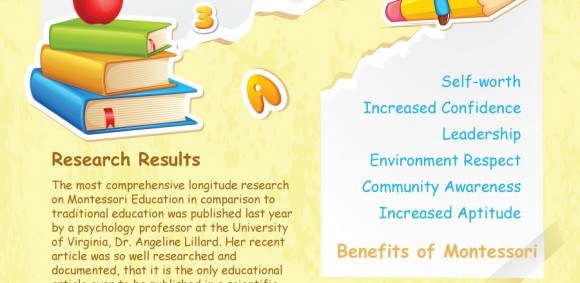
Montessori education is a unique approach to learning that has been around for over a century. What sets it apart from other educational methods is its focus on individualized learning, hands-on activities, and independence. Here are the top 10 benefits of Montessori education:
1. Child-Centered Approach
Montessori education is centered around the child’s needs and interests. The curriculum is designed to meet each child where they are in their development and encourage them to learn at their own pace.
2. Individualized Learning
In a Montessori classroom, children work independently or in small groups with materials that match their developmental level and interests. This allows them to explore concepts deeply and develop mastery before moving on.
3. Hands-On Activities
The Montessori method emphasizes learning through doing instead of passive listening or memorization. Children use concrete materials to explore abstract concepts such as math, language, science, and cultural studies.
4. Multi-Age Classrooms
One unique aspect of Montessori classrooms is that they often have mixed-age groups spanning three years (e.g., ages 3-6). This promotes socialization, peer mentoring, leadership skills, empathy, and responsibility.
5. Self-Directed Learning
Children in Montessori classrooms are encouraged to take ownership of their learning by following their curiosity and making choices about what they want to work on each day.
6. Prepared Environment
The classroom environment in a Montessori school is carefully designed to support children’s independence, creativity, orderliness, concentration, coordination skills while fostering respect for others’ needs.
7. Respectful Discipline
Rather than using punishment or rewards as motivators for behavior modification like traditional schools do; the teachers guide students towards responsible behavior through respectful communication techniques known as “Positive Discipline.”
8.Parent Involvement
Most Montessori schools encourage parental involvement in the classroom, and some even require it. This provides parents with a unique opportunity to observe how their child learns, understand Montessori principles, and learn from their children.
9. Focus on Whole Child Development
Montessori education is not just about academics but also focuses on social-emotional development, practical life skills (like cooking or cleaning), physical activity, and creative expression through arts.
10. Lifelong Love of Learning
Perhaps the most significant benefit of Montessori education is that it instills in children a lifelong love of learning by fostering curiosity, confidence, and critical thinking skills that will serve them well throughout their lives.
In conclusion, Montessori education offers many benefits for children who thrive best outside traditional classrooms’ confinement. It’s an approach that encourages self-directed learning while providing a supportive environment where children can develop at their own pace without pressure or criticism from teachers or peers. If you’re looking for an alternative educational experience that values your child’s individuality and creativity above all else – consider giving Montessori schooling a try!
 Alternative Amie
Leave a comment