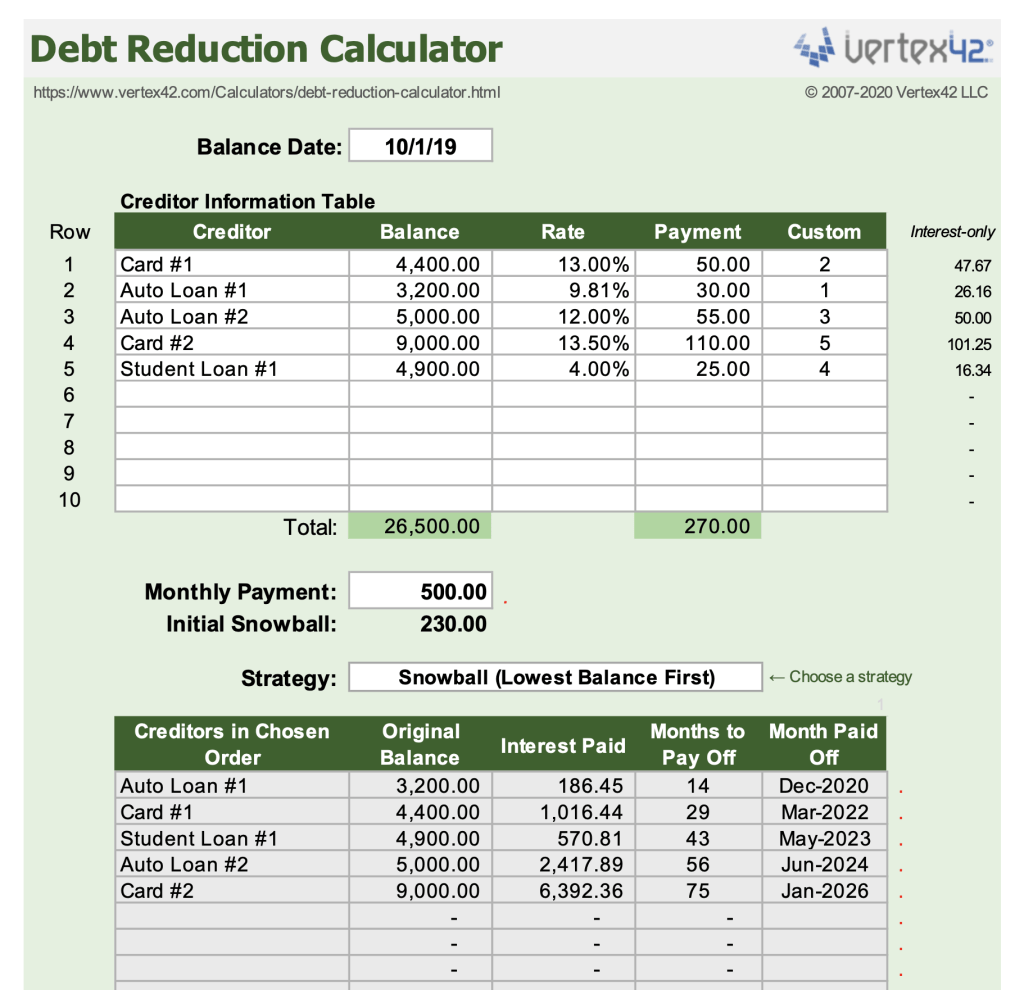
Debt Management is a crucial topic for anyone who wants to live a financially stable life. In today’s world, where credit cards and loans are easily accessible, it is easy to fall into debt traps and struggle with repayments. However, managing your debts efficiently can help you avoid the stress and anxiety that come with being in debt.
The first step towards effective Debt Management is to create a budget plan. A budget will help you keep track of your income and expenses while identifying areas where you can cut back on spending. It will also assist you in understanding how much money you have available each month to pay off your debts.
Once you have created a budget plan, the next step is to prioritize your debts based on their interest rates and minimum payments. Debts with higher interest rates should be paid off first as they accrue more interest over time. On the other hand, lower-interest debts can be tackled later when funds become available.
One way of reducing high-interest debts is by consolidating them through refinancing or balance transfers. Refinancing involves taking out a new loan at lower interest rates than existing loans used to pay off old ones. Balance transfers involve moving high-interest credit card balances onto low or zero-interest cards.
Another useful strategy for managing debt is negotiating payment plans with creditors or seeking professional assistance from debt management companies. Many creditors are willing to work out payment plans that suit individual situations rather than risk losing money altogether.
In addition to these steps, it’s essential always to make timely payments towards all outstanding bills; late payments attract additional charges that could add up quickly over time and damage one’s credit score significantly.
Finally, avoiding unnecessary expenses such as eating out regularly or buying expensive clothes can go a long way in helping manage finances better hence minimizing the chances of falling further into debt traps.
In conclusion, Debt Management requires discipline and commitment but ultimately pays off by reducing financial pressure and improving one’s overall quality of life. By creating a budget plan, prioritizing debts, consolidating high-interest debts, negotiating payment plans with creditors and making timely payments towards all bills, anyone can successfully manage their debt load.
 Alternative Amie
Leave a comment