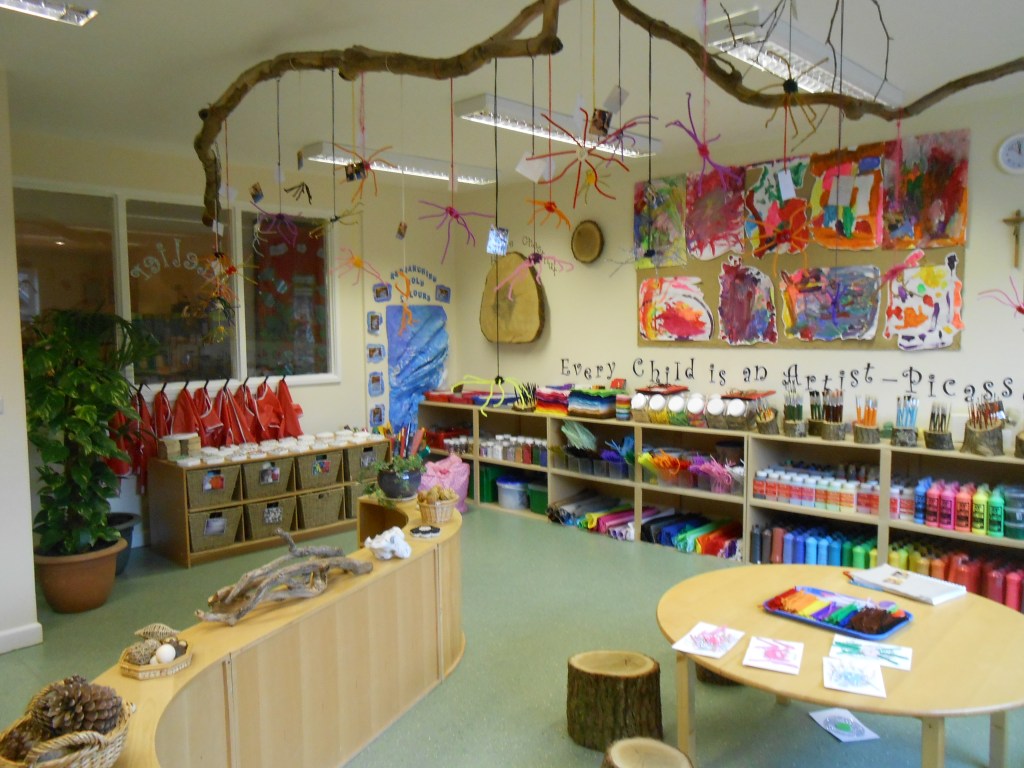
In the world of alternative schooling, one approach that has gained a lot of attention in recent years is the Reggio Emilia approach. Developed in the small Italian town of Reggio Emilia after World War II, this educational philosophy emphasizes child-led learning, collaboration between teachers and students, and a strong emphasis on art and creativity.
On its surface, the Reggio Emilia approach seems like an ideal way to educate children. After all, who wouldn’t want kids to be deeply engaged in their own learning process and encouraged to explore their creativity? However, as with any educational philosophy or method, there are some potential downsides to consider.
One concern often raised about the Reggio Emilia approach is that it can be difficult for teachers to implement effectively. Unlike more traditional teaching methods where the teacher is primarily responsible for delivering information and guiding students through assignments and assessments, Reggio educators must act as facilitators rather than leaders. This means they need to be highly attuned to each student’s individual needs and interests – no easy task when you’re dealing with 25 or 30 young children at once!
Another issue with the Reggio Emilia approach is that it can be expensive. Because so much emphasis is placed on hands-on learning experiences – including things like field trips, visits from guest speakers or artists-in-residence programs – schools using this method may require additional funding beyond what’s typically allotted for public education.
Furthermore, while collaboration between students is certainly emphasized under the Reggio Emilia model, there are concerns that competition may suffer as a result. In some cases, children who excel academically may feel held back by peers who struggle with certain subjects but are given equal weight in group projects.
Finally, critics have also pointed out that while art and self-expression are important components of any well-rounded education system (and certainly valuable aspects of childhood development), they cannot entirely replace core academic skills such as reading comprehension or mathematics. While the Reggio Emilia approach doesn’t necessarily devalue these subjects, it does prioritize other areas of learning over them.
Despite these criticisms, many parents and educators remain enthusiastic about the Reggio Emilia approach. Supporters argue that because it is so flexible and adaptable to each child’s individual needs, it can be particularly effective for children who may not thrive in more rigid or traditional educational contexts.
In conclusion, while the Reggio Emilia approach certainly has its drawbacks – including potential challenges around implementation, funding, competition vs collaboration and balancing core academic skills with creativity – there are also compelling reasons to consider this model of education. Ultimately, whether or not it’s right for a particular student or school will depend on a variety of factors unique to their context – but one thing is clear: with its strong focus on child-led learning and creative exploration, this method offers an intriguing alternative to more conventional approaches to schooling.
 Alternative Amie
Leave a comment