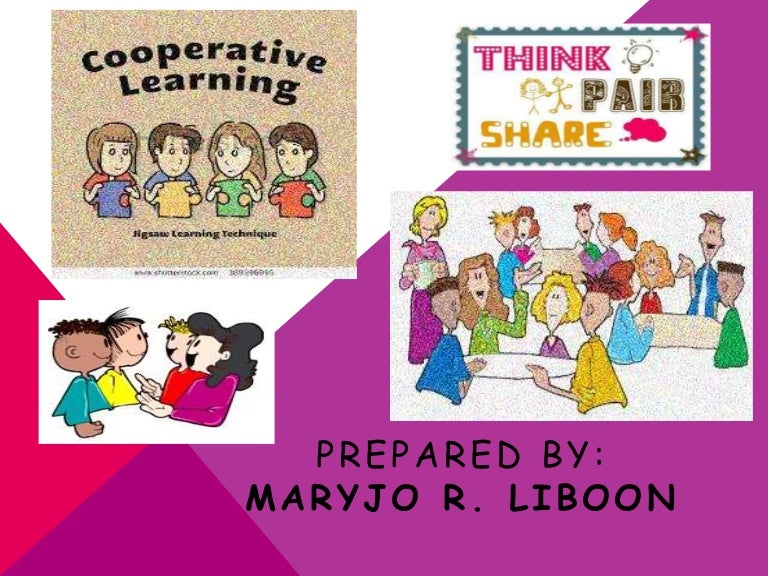
Cooperative Learning: A DIY Guide
Alternative schooling and education provide parents and educators with different approaches to teaching that cater to the unique learning needs of students. One such approach is cooperative learning, a strategy that fosters collaboration, communication, and critical thinking among learners.
Unlike traditional classroom settings where teachers dictate instruction and students work independently, cooperative learning allows learners to take an active role in their education by working together towards common goals. This approach promotes social skills development, enhances academic performance, and creates a positive classroom culture.
In this post, we’ll explore what cooperative learning is all about and how you can implement it in your homeschool or alternative educational setting.
What is Cooperative Learning?
Cooperative learning refers to a teaching strategy that involves small groups of students working together on tasks or activities designed to achieve shared objectives. In contrast to individualistic approaches where learners compete against one another for grades or recognition, cooperative learning emphasizes teamwork and mutual support.
The key principles underpinning cooperative learning include:
1. Positive Interdependence: Students are interdependent in the sense that they need each other’s contributions for group success. Each member has something important to contribute towards achieving the group’s goal.
2. Individual Accountability: Each student is responsible for their own work within the group’s task.
3. Face-to-Face Interaction: Members communicate face-to-face as they share ideas and solve problems.
4. Collaborative Skills Development: Working cooperatively helps learners develop essential life skills such as communication, leadership, conflict resolution, problem-solving etc.
5. Group Processing: The team periodically reflects on its effectiveness at attaining its goals while discussing ways it could improve future projects
Benefits of Cooperative Learning
Research shows that there are numerous benefits associated with using cooperative methods in classrooms:
1. Improved Academic Performance – Students who participate in cooperative activities tend to perform better academically than those who learn through traditional instructional methods.
2.Increased Motivation – Learners who work together tend to be more motivated and engaged in their learning than those who work alone.
3. Enhanced Social Skills – Cooperative learning helps develop social skills such as communication, teamwork, leadership, and conflict resolution.
4. Greater Equity – Students of different abilities interact with one another and help each other learn.
5. Improved Classroom Climate – Using cooperative methods can contribute to a positive classroom climate where everyone feels respected.
Types of Cooperative Learning
There are various types of cooperative learning activities that educators use to facilitate collaboration among students:
1. Jigsaw: This strategy involves breaking up class material into smaller parts that groups study independently before coming back together to share what they’ve learned.
2. Think-Pair-Share: This activity encourages learners to reflect on questions or problems individually before discussing them in pairs and then sharing their ideas with the whole group.
3. Group Investigation: In this activity, groups research a particular topic or problem before presenting their findings to the rest of the class.
4. Round Robin Brainstorming: The teacher poses a question or sets a task for the group members who take turns contributing ideas until there is consensus on an answer
5.Cooperative Projects: Groups work together on long-term projects like creating videos, developing presentations etc.
How To Implement Cooperative Learning
Now that you understand what cooperative learning is all about let’s look at how you can implement it in your alternative educational setting:
1.Establish clear expectations – Establishing clear guidelines for expected behavior during cooperative activities will ensure that students behave appropriately while working collaboratively towards shared goals
2.Assign roles– Assign roles within groups so that every member has something important to contribute towards achieving team goals
3.Provide opportunities for reflection – Reflection time allows students to discuss how they worked well as a team or could have improved upon areas where they struggled
4.Set Goals – Set realistic goals with your students so that they know what they’re aiming for and can work together to achieve them
5.Provide feedback – Provide constructive feedback on how students are contributing towards group goals. This helps individual members understand their strengths and weaknesses, which in turn fosters personal growth.
6.Monitor the groups – Keep an eye on each group’s progress to ensure that they’re staying focused and meeting their objectives
Conclusion
Cooperative learning is a powerful teaching strategy that facilitates teamwork, communication, collaboration, critical thinking skills development among learners. By using cooperative methods in your alternative educational setting, you can create an environment where all students feel valued and respected while working together towards shared goals.
As with any new teaching method or approach, it may take time for both you and your students to adjust to cooperative learning. However, by following the tips outlined above and being patient as everyone adapts to this new style of instruction will yield great rewards in the long run.
 Alternative Amie
Leave a comment