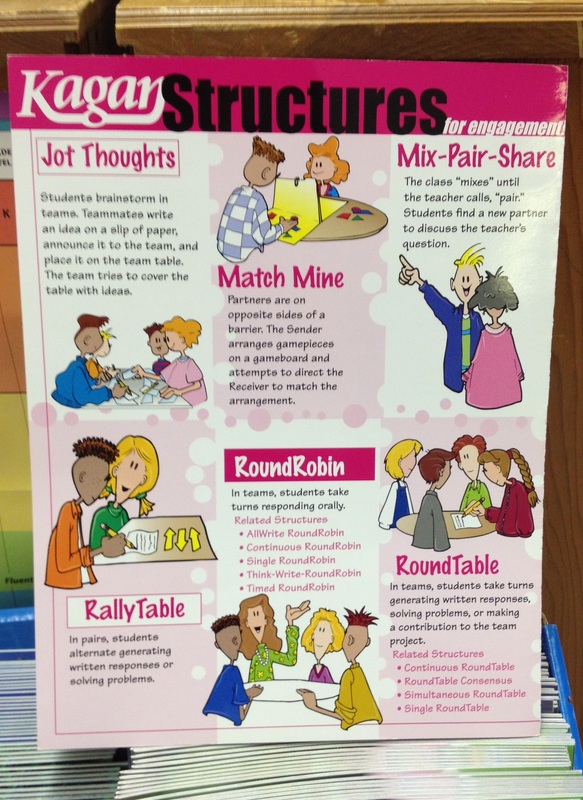
Cooperative learning is a teaching and learning strategy that focuses on group work, collaboration, and communication. It encourages students to work together towards a common goal or objective. Cooperative learning structures and routines provide the framework for these activities.
One of the most popular cooperative learning structures is called “Think-Pair-Share.” This structure involves three steps: first, students think about a question or topic individually; second, they pair up with a partner to discuss their thoughts; third, pairs share their ideas with the whole class. This structure encourages active participation from all students and promotes peer-to-peer communication.
Another effective cooperative learning structure is called “Jigsaw.” In this structure, students are divided into small groups (usually four or five). Each student in the group is assigned a different piece of information related to a larger topic. Students then teach each other what they have learned before coming back together as a whole class to discuss the topic as a group. This structure promotes independent research skills as well as collaboration and communication.
“Round Robin” is another popular cooperative learning structure where every student takes turns sharing an idea or thought based on the teacher’s prompt or question. This routine provides every student with an opportunity to speak while also promoting attentive listening skills.
One more commonly used cooperative learning routine is called “Numbered Heads Together.” In this routine, students are placed in groups of four and given numbers (1-4). The teacher poses questions throughout the lesson; when one comes up which requires discussion among peers, she asks everyone in each group to put their heads together so that they can come up with an answer collectively using everyone’s strengths.
In addition to these structures and routines, there are several key principles that underpin successful cooperative learning activities:
1) Positive interdependence – Students need to believe that they are all working towards the same goal which will benefit them all equally.
2) Individual accountability – Every member has responsibilities within their team and is responsible for their own learning.
3) Equal participation – Every student must have the opportunity to participate in the group activity and contribute to the discussion.
4) Simultaneous interaction – All students should be engaged with each other at all times and not just one person speaking while others listen passively.
5) Social skills – Students need to learn how to communicate effectively, work collaboratively, resolve conflicts, and support each other.
Cooperative learning structures can be used across a range of subjects and topics. In math class, students might use jigsaw structures to explore different types of equations or formulas. In language arts classes, “Think-Pair-Share” could be used as a way for students to brainstorm ideas before writing essays or creative pieces. Science classes might incorporate “Round Robin” activities when discussing hypotheses or theories that are being explored.
However, it is important that teachers plan cooperative learning activities carefully. While these activities can promote active engagement from all students, they also require careful management by the teacher so that every student has an equal opportunity to participate.
Here are some tips on how teachers can successfully implement cooperative learning:
1) Plan ahead: Teachers should carefully consider which structure(s) will work best with specific lesson objectives.
2) Provide clear instructions: Give clear instructions on what is expected of each group member during the activity.
3) Monitor progress: During group work sessions, teachers should circulate around the room and monitor progress among groups. They may ask questions about where groups are in terms of understanding concepts or completing tasks.
4) Debriefing: After cooperative learning activities are completed, debriefing sessions provide opportunities for reflection on what was learned by individuals within small teams as well as whole-class insights based on shared experiences together!
In conclusion, Cooperative Learning Structures offer numerous benefits for both educators & learners alike! By creating engaging lessons which enable peer-to-peer communication & collaboration towards common goals/learning outcomes, students can learn more effectively in a fun and engaging way. Teachers should consider incorporating these structures into their lesson plans and following the key principles of cooperative learning to ensure success for all involved!
 Alternative Amie
Leave a comment