Blended Learning: A Guide for Alternative Schooling and Education
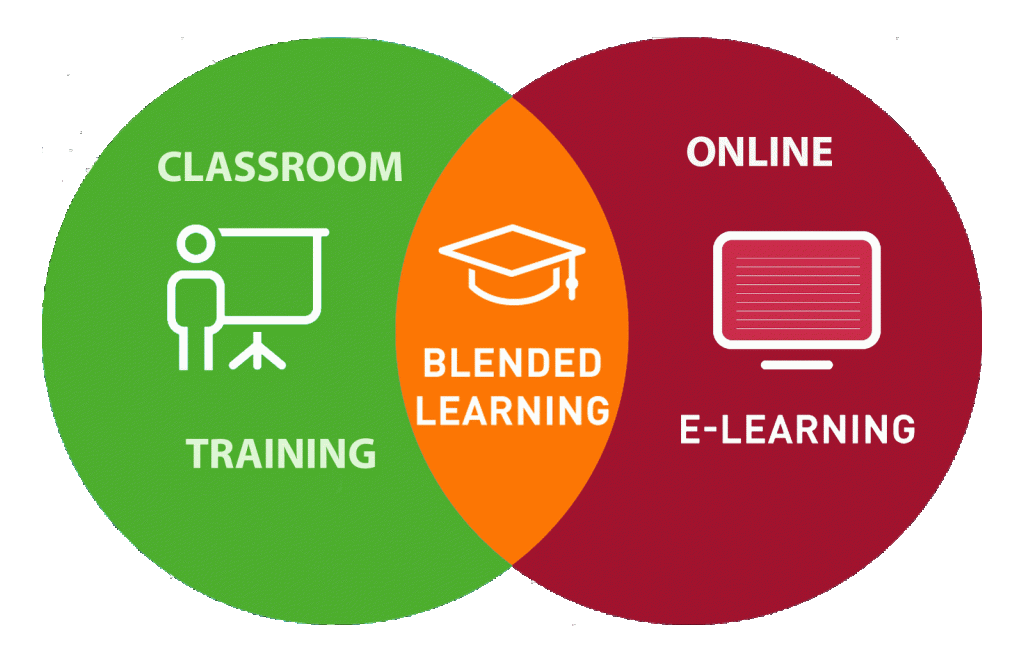
As the world continues to evolve, so does the field of education. One approach that has gained popularity in recent years is blended learning. Blended learning combines traditional classroom instruction with online learning, offering a more personalized and flexible approach to education. In this post, we will explore what blended learning entails, its benefits, challenges, and how it can be implemented in alternative schooling and education.
What is Blended Learning?
Blended learning involves combining face-to-face teaching with online instruction. It allows teachers to combine various instructional strategies such as direct instruction, collaborative activities or group work, independent study or exploration of an online platform.
In most cases, students complete some part of their coursework through an online school portal or web-based platform outside the physical classroom environment while still having opportunities to interact with peers and their teacher both inside and outside of class time.
The beauty of blended learning lies in its ability to personalize instruction based on students’ individual strengths and weaknesses. Students have access to multiple resources such as virtual tutors (bots), interactive simulations or animations that could not otherwise be used in traditional classrooms.
Benefits of Blended Learning
1) Personalized Instruction: Blended learning allows educators to tailor lessons according to each student’s specific needs by observing data-driven analytics from the digital components.
2) Flexibility: Online coursework can be accessed at any time from anywhere if there are internet connectivity and a device (laptop/tablet/smartphone).
3) Cost-effective: Blending technology into traditional classrooms reduces the cost required for textbooks or other materials since e-books are often used instead.
4) Improved Student Engagement: The use of technology makes it easier for students who may struggle academically due to anxiety disorders or shyness; they get more comfortable interacting with others when provided anonymity through chat features during discussions on digital platforms than speaking face-to-face .
5) Accessible to everyone: Blended learning provides a flexible approach that allows students of all ages, abilities and backgrounds to access education regardless of their geographical location.
Challenges of Blended Learning
1) Costly Infrastructure: Adopting blended learning requires the availability of devices such as laptops or tablets for students who do not have them. Also, there must be adequate internet connectivity in schools and homes so that resources can be accessed from anywhere at any time.
2) Teacher Training: The successful implementation of blended learning requires that teachers receive adequate training on how to use technology effectively in the classroom. Teachers must also learn new teaching strategies that incorporate digital tools into traditional lesson plans.
3) Student Motivation: Students may lack motivation when it comes to studying online since they are not physically present with other classmates or their teacher. This could lead to increased absenteeism or disengagement if teachers aren’t aware and work around this issue.
4) Security concerns: As with anything related to the internet, safety is paramount when deploying e-learning systems. Educators need robust security measures put in place within their networks and devices used by students accessing these platforms so as not compromise student information privacy while online.
Implementing Blended Learning in Alternative Schooling and Education
The concept behind alternative schooling is providing personalized education based on each student’s specific needs. Blended learning fits perfectly into this philosophy since it allows for tailored instruction through data-driven analytics on each student’s academic progress throughout the course/session/classwork/quiz etcetera. It also gives a chance for those who struggle academically due to anxiety disorders or shyness; they get more comfortable interacting with others when provided anonymity through chat features during discussions on digital platforms than speaking face-to-face .
For alternative schools looking at adopting blended learning, some steps should be taken;
1) Define your goals – Identify what you want out of implementing blended learning (e.g., improved test scores, increased engagement, better outcomes for students with special needs).
2) Develop a plan – Outline the steps you will take to implement blended learning in your school. This should include details such as how technology will be integrated into traditional classrooms and how teachers will be trained to use it effectively.
3) Assess Resources- Determine what resources are needed (devices, internet connectivity, software licenses), and ensure they are available before embarking on this journey.
4) Train Teachers – Provide teachers with adequate training on how to use digital tools to enhance instruction.
5) Monitor Progress – Regularly assess student progress via data-driven analytics so that interventions can be made promptly where necessary.
Conclusion
The world is evolving rapidly, and education must evolve with it. Blended learning offers an innovative approach to education that combines traditional classroom instruction with online learning, creating personalized instructional experiences that benefit all students regardless of their background or academic ability. It requires careful planning, implementation and monitoring but can lead to improved test scores, increased engagement rates among students while also reducing costs associated with textbooks or other materials. Alternative schools looking at implementing blended learning should follow the steps outlined above carefully for successful adoption of this new teaching model.
 Alternative Amie
Leave a comment