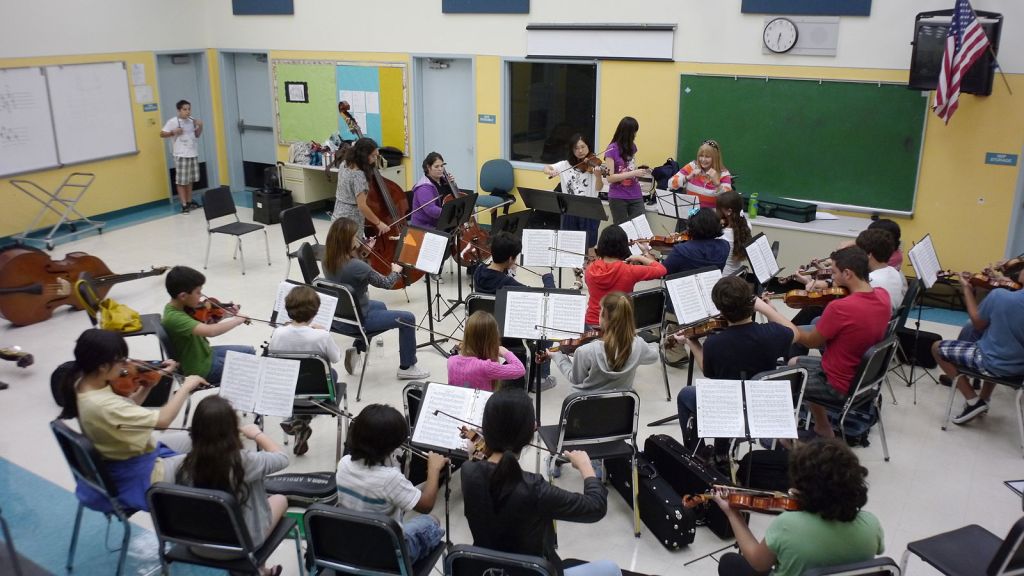
Music education has been an integral part of schooling and education for many years. It is a subject that helps students develop various skills, including critical thinking, communication, and creativity. A study found that students who received music lessons performed better academically than those who did not receive music lessons.
Alternative schools and educational programs have recognized the importance of incorporating music into their curriculum. These programs use different methods to teach students about music, ranging from traditional classroom instruction to experiential learning through performances or workshops.
One popular method used by alternative schools is the Suzuki Method. This approach emphasizes the importance of early childhood education in developing musical talent. The Suzuki Method involves teaching children how to play instruments by ear before reading sheet music.
Another method used by alternative schools is Music Therapy. This approach uses music as a therapeutic tool to help individuals with physical or mental health issues improve their quality of life. Some examples where this technique might be beneficial include autism spectrum disorder (ASD), dementia, depression, anxiety, chronic pain and more.
Alternative schools also offer courses in songwriting and composition for students interested in creating their own original works. These courses allow students to learn about various genres of music while also developing skills related to writing lyrics and composing melodies.
In conclusion, incorporating music into alternative schooling and educational programs can benefit children’s academic performance while enhancing their personal growth through creative expression.
 Alternative Amie
Leave a comment