1. The Impact of Online Learning on Socialization Skills
Online learning has become increasingly popular in recent years, especially with the onset of the COVID-19 pandemic. While online learning has its advantages, many people are concerned about its impact on socialization skills, particularly for young students.
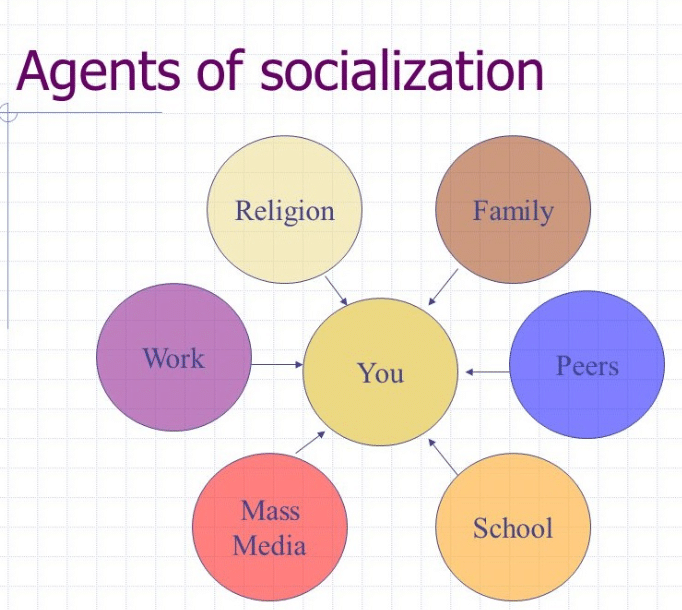
One of the primary concerns is that online learning can be isolating and may not provide opportunities for students to interact with their peers and teachers in person. Socialization is an important part of a child’s development, and it is essential for them to learn how to communicate effectively with others.
However, there are ways to mitigate this issue. Many online courses now incorporate interactive elements such as group projects, discussion forums, and video conferencing tools that enable face-to-face interaction between students and teachers. These tools help create a virtual community where learners can connect with each other and build relationships.
Another concern is that online learning may lack the structure necessary to develop critical social skills such as conflict resolution or collaboration. In traditional classrooms, students have regular interactions with their classmates and teachers which provides ample opportunity to practice these skills.
To address this issue in an online setting, instructors need to design activities that promote teamwork and communication among students through group discussions or assignments requiring peer reviews. Additionally, providing feedback on student performance both individually and as a class will help reinforce important social norms like following directions or respecting others’ opinions.
Overall while there are some challenges associated with socializing during online classes if educators take steps like designing engaging content including interactive elements like live sessions they can still foster healthy socialization among learners.
2. Online Learning for Students With Special Needs
Online learning presents unique challenges for students who have special needs such as those who require additional support in areas like reading comprehension or attention span management.
To ensure success in an online environment special consideration should be taken when creating lesson plans for these learners which cater specifically towards their individualized needs; using visual aids when needed, providing extended time for tests, using assistive technology such as text-to-speech software are all examples of helpful accommodations.
Online learning can also be made more effective for students with special needs by incorporating a range of instructional approaches that meet different learning styles. For example, if an individual is a visual learner then lessons like videos or infographics can help them retain information better.
Moreover, teachers should maintain frequent communication with parents and guardians to ensure they are aware of their child’s progress in the online environment. It’s important to have regular check-ins between both parties so any issues or concerns about student performance can be addressed promptly.
3. The Effectiveness of Online Learning for Hands-On Subjects Like Art and Music
Hands-on subjects like art and music may seem difficult to teach through online classes due to the lack of face-to-face interaction and physical resources; however many educators have adapted well to this challenge.
One way educators can teach hands-on subjects effectively is by leveraging available technology tools such as virtual reality simulations or screen-sharing platforms where learners can directly interact with digital tools like graphic design software or music editing programs.
Additionally, instructors should create assignments that require students to demonstrate their skills through projects which incorporate real-world scenarios such as creating artwork for a local non-profit organization or composing original music pieces for use in film scores thereby enhancing student engagement while teaching practical skills that will be applicable beyond the classroom setting.
4. Online Learning for Non-Native English Speakers
Non-native English speakers often struggle with language barriers when trying to learn new concepts in an online environment where communication relies heavily on text-based interactions rather than verbal ones.
To overcome these challenges, teachers need to provide support tailored towards improving language proficiency including offering additional resources such as dictionaries and translation services while encouraging peer reviews so learners receive feedback from multiple sources – increasing exposure and immersion within the language itself.
Another approach could involve implementing interactive activities that promote conversation skills among learners whether it’s via chat rooms or video conferencing.
5. The Role of Online Discussion Forums in Student Engagement
Online discussion forums provide a platform where learners can interact with their peers and teachers, share ideas, and ask questions which fosters a sense of community within the online classroom setting.
Discussion boards can be used to facilitate group projects where students have the opportunity to collaborate with one another on various tasks. This not only enhances student engagement but also helps improve socialization skills as discussed earlier.
Moreover, instructors can use discussion boards as a means of assessing student comprehension by posing open-ended questions that require critical thinking or asking students to summarize what they learned from reading an article or watching a lecture video.
6. The Benefits and Drawbacks of Self-Paced Online Courses
Self-paced online courses offer flexibility for learners who may have other commitments such as work or family obligations; however, some students may struggle without regular guidance from educators especially those who are new to e-learning environments.
The benefits include allowing learners to move at their own pace while providing ample time for them to absorb information before moving onto more challenging topics. Additionally, since self-paced learning eliminates strict deadlines it allows individuals more freedom when creating study schedules that best fit their respective lifestyles.
However, drawbacks include lack of interaction with other students which could lead some individuals feeling isolated if they need support outside course materials like text books etc.; moreover self-pacing does require strong discipline in order for the learner to remain engaged with the course material over extended periods.
7. Online Learning for Adult Learners Returning To Education
Adults returning to education often face unique challenges including balancing work and familial responsibilities alongside coursework while adapting back into academic life after many years away from structured learning environments – this is particularly true in an e-learning environment where there are less opportunities for direct social interaction among classmates and instructors alike.
To benefit adult learners returning back into education through online classes it’s important that educators design courses keeping these specific challenges in mind. This could involve creating flexible schedules that complement work and family obligations, providing support for time management, or offering resources such as career counseling services which can help learners transition into new fields of study.
Additionally, instructors should focus on creating engaging material that’s relevant to adult learners while offering personalized feedback and support throughout the learning process.
8. How To Prevent Cheating In Online Exams
Preventing cheating in an online environment poses unique challenges compared to traditional exams since students have access to a wide range of digital resources including search engines and social media platforms.
To mitigate this educators need to develop strategies tailored specifically towards preventing cheating – these may include using anti-plagiarism software like Turnitin.com or setting up monitoring systems like live video calls with individual test-takers during examinations.
Moreover, designing exams that are open-ended rather than multiple-choice can make it more difficult for students who wish to cheat since they will be required to demonstrate understanding through written explanations instead of simply selecting from given options.
9. The Importance Of Digital Literacy Skills For Successful Online Learning
Digital literacy is essential for successful online learning because it enables learners to effectively navigate digital tools such as virtual classrooms or content management systems alongside developing effective research skills when searching for information online.
Developing digital literacy skills involves teaching individuals how best use their devices whether it’s laptops or smartphones alongside introducing them other software applications commonly used in education settings such as Microsoft Office Suite (Word/Excel/PowerPoint) or Adobe Creative Cloud suite (Photoshop/Illustrator).
Instructors should also teach basic data security principles surrounding safe browsing habits and password protection measures ensuring confidentiality while promoting healthy technology habits within the classroom setting.
10. The Impact Of Screen Time On Student Health And Wellbeing
Screen time has become a leading concern among health professionals worldwide due its effects on overall wellbeing especially children who are spending more time on electronic devices than ever before.
While screen time in moderation is generally safe and often beneficial for learning, prolonged exposure to screens can lead to a range of health issues including eye strain, headaches, decreased physical activity which contributes to obesity rates as well as disrupted sleep patterns.
To mitigate these negative impacts educators should encourage students to take regular breaks away from their devices throughout the day, while also ensuring that any assignments or coursework are designed with this in mind so learners don’t feel overwhelmed by constant screen time.
11. Online Learning For Students From Low-Income Households
Online learning could potentially address educational disparities experienced by low-income households due to its accessibility and flexibility; however it’s important that online courses be made available at an affordable cost if they are going to benefit underprivileged learners.
Moreover providing internet access via WiFi hotspots in public spaces like libraries alongside ensuring easy access towards necessary equipment such as laptops or tablets can help bridge the digital divide present between low-income communities and those with more resources.
12. Strategies for Building A Sense Of Community In Virtual Classrooms
Building a sense of community is essential for student engagement within virtual classrooms since there are less opportunities for direct social interaction among classmates compared traditional classroom settings.
Educators need strategies that create engaging group activities such as peer reviews or discussion board exchanges which foster collaboration among learners; moreover incorporating small-group breakout sessions during live video calls may increase engagement while building relationships between individual participants over time.
13. Best Practices For Providing Feedback In An Online Environment
Providing effective feedback is critical when teaching online because it helps individuals understand how best apply concepts learnt into practical situations through assessments.
Instructors should aim provide specific comments tailored towards each learner’s respective strengths/weaknesses using both audio and visual aids like videos explaining what areas require improvement or detailed written feedback on specific topics covered during class sessions.
14. The Role Of Gamification In Enhancing Student Motivation And Engagement
Gamification involves utilizing game elements such as point systems, badges etc. within educational settings to enhance student engagement and motivation.
Instructors should consider implementing gamification techniques into their courses which incentivize learners through rewards or encouraging competition among students such as leaderboards or social media sharing.
15. How To Ensure Accessibility And Inclusivity In Online Courses
Accessibility and inclusivity are important elements of online learning since they ensure that all individuals have equal access towards resources regardless of socioeconomic status, disabilities, or cultural backgrounds.
Educators should design courses taking into account accessibility needs like closed-captioning on videos for those with hearing impairments alongside providing resources for those with visual impairments i.e., text-to-speech software; this will help reduce any barriers present when accessing course materials.
16. The Impact Of Technology On The Future Of Education And Employment Opportunities
The use of technology in education is set to transform the future working landscape including job opportunities available to graduates who possess advanced digital literacy skills.
As new technologies continue emerging over time educators must prepare learners by teaching how best apply these tools within various professional contexts relevant today’s workforce needs.
17. Online Learning As A Tool For Promoting Global Citizenship And Cultural Exchange
Online learning can serve as a powerful tool promoting global citizenship and cultural exchange between students from different countries around the world.
Instructors could design assignments that require collaboration between international peers through discussion boards, group projects etc.; thereby creating opportunities for cross-cultural exploration while fostering stronger relationships among diverse communities worldwide.
18. Strategies For Preventing Burnout Among Students And Teachers In Virtual Classrooms
Burnout is a major concern among both teachers and students in virtual classrooms due constant exposure towards screens alongside pressure deadlines which may contribute mental health issues over time if not addressed appropriately.
To prevent burnout instructors need strategies involving regular communication with their respective classes via email or video calls; moreover incorporating mindfulness exercises into coursework assignments can help alleviate stress levels while increasing productivity overall.
19. Addressing The Digital Divide: Ensuring Equitable Access To Technology Resources
Access towards technology resources such as laptops, broadband internet connectivity etc. is a major concern for underprivileged learners who may not have the necessary equipment at home to participate effectively in online learning environments.
To ensure equitable access educators could set up community programs where students can borrow laptops or tablets from local libraries alongside providing free WiFi hotspots so that anyone can connect online regardless of their location.
20. Exploring Alternative Forms Of Assessment Beyond Traditional Exams
Alternative forms of assessment beyond traditional exams like quizzes or essays are becoming increasingly popular amongst educators worldwide since they offer more varied ways measuring student comprehension while building practical skills relevant towards professional contexts.
Examples include project-based assessments which require learners to create real-world solutions based on scenarios that mimic actual work experiences; furthermore having students submit videos demonstrating skills learnt within course material rather than written reports might provide better insights into individual performance overall.
21. Balancing Synchronous Vs Asynchronous Instruction In Virtual Classrooms
Synchronous instruction involves live video calls between instructors and students during class sessions whereas asynchronous instruction involves pre-recorded lectures and assignments which learners complete at their own pace.
Educators need balance these two types of instructional methods when designing courses – synchronous sessions should be used for group activities requiring collaboration while asynchronous modules could be implemented when delivering content requiring individual attention.
22. Incorporating Project-Based Learning Into Online Courses
Project-based learning often yields higher levels retention compared with standard lecture format courses as it provides opportunities for hands-on experimentation and direct application of concepts taught within coursework over time.
Incorporating project-based learning into online classes would allow learners the opportunity apply theoretical knowledge practically via real-world scenarios thereby increasing engagement levels along with developing practical workplace skills needed by many employers today.
23. Supporting Student Mental Health And Wellbeing In An Online Environment
Mental health issues are becoming increasingly prevalent among both teachers and students alike due stressors present within virtual classrooms including long hours sitting behind screens, pressure deadlines etc.
To address these concerns educators should incorporate mental health resources like mindfulness exercises into coursework assignments while also setting up regular check-ins with individual students via email or video calls to ensure they are coping well overall.
24. Examining The Role Of Artificial Intelligence In Personalized Learning Experiences
Artificial intelligence (AI) has the potential transform education by providing personalized learning experiences tailored towards each individual learner’s respective needs and strengths.
Educators could leverage AI technology including chatbots that provide quick responses towards student inquiries alongside predictive analytics which can anticipate student performance patterns over time thereby identifying areas where additional support may be required before issues arise.
25. Navigating Copyright Laws When Using Digital Resources In Teaching Materials
Navigating copyright laws when using digital resources within teaching materials is a major concern for educators worldwide since it’s important to respect intellectual property rights related creative works such as images, videos or written content.
To avoid any legal issues teachers need familiarize themselves with fair use policies surrounding reuse of copyrighted material; additionally citing sources properly in any work produced using digital resources can help reduce chances of infringing on someone else’s intellectual property rights – promoting ethical conduct within classroom settings.
 Alternative Amie
Leave a comment