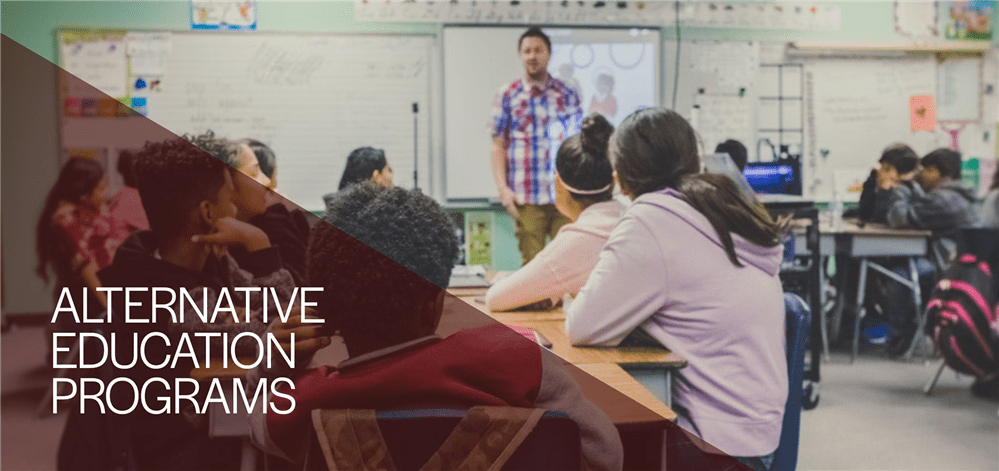
Peer-to-peer Collaboration and Support in Alternative Schooling and Education
In the world of alternative schooling and education, peer-to-peer collaboration and support play a crucial role in enabling learners to achieve their goals. Unlike traditional educational settings, where students rely mainly on teachers for guidance and support, alternative education environments allow learners to collaborate with peers who are pursuing similar interests or academic pursuits.
This post will delve into what peer-to-peer collaboration and support entail, how it works in various alternative education settings, its benefits, challenges, and best practices.
What is Peer-to-Peer Collaboration?
Peer-to-peer collaboration refers to the process of working together with others who have similar interests or objectives towards achieving common goals. It involves sharing ideas, knowledge, skills, resources and providing feedback that helps individuals learn from each other.
In an alternative learning environment like homeschooling co-ops or unschooling communities, peer-to-peer collaboration takes on unique forms as young people interact with one another on projects they find interesting. They may work together on building projects such as robots or participate in online coding sessions that help them develop programming skills while interacting with fellow learners across different locations.
How Does Peer-to-Peer Collaboration Work in Alternative Schools?
Peer-to-peer collaboration plays out differently depending on the type of alternative school setting. Here are some examples:
1. Homeschool Co-Ops: A homeschool co-op is a group of families who come together to provide supplementary education for their children at home. In this setting, parents take turns teaching classes while children engage in collaborative activities such as science experiments or group discussions that encourage critical thinking.
2. Unschooling Communities: Unschoolers believe that learning happens naturally without formal curriculum structures or traditional classroom instruction. In these communities, young people pursue their interests independently but often share their experiences through online forums or meetups where they can connect with other unschoolers who share similar passions.
3. Project-based Learning Spaces: Project-based learning spaces are designed to support self-directed learners who work on projects that interest them. These environments often feature flexible schedules and resources like tools, technology, and materials that learners can use to pursue their projects.
4. Maker Spaces: Maker spaces provide a collaborative environment for young people interested in building or creating things. They often have access to 3D printers, laser cutters, electronics kits, woodworking tools and other equipment needed for various maker activities.
Regardless of the setting, peer-to-peer collaboration is essential in alternative education because it allows young people to learn from one another while developing valuable social skills such as teamwork, communication, and problem-solving.
Benefits of Peer-to-Peer Collaboration
1. Encourages Creativity: Peer-to-peer collaboration encourages creativity by providing opportunities for learners to bounce ideas off each other and explore new ways of thinking about problems.
2. Builds Social Skills: Collaborating with peers helps young people develop social skills such as communication, empathy and cooperation that they will need throughout their lives.
3. Enhances Learning Outcomes: Studies have shown that peer-to-peer collaboration improves academic achievement by exposing students to different perspectives while facilitating deeper understanding of concepts they are working on together.
4. Fosters Independence: Working collaboratively with peers also fosters independence by encouraging learners to take ownership of their learning experiences while providing support when needed.
Challenges in Peer-to-Peer Collaboration
While peer-to-peer collaboration has many benefits, it also presents challenges that must be addressed if it is going to be effective:
1. Conflicting Personalities: When collaborating with others at any level (be it school or elsewhere), personalities can clash which might lead some individuals not being able to work together effectively without help from a moderator/mediator figure or time apart before trying again later down the road;
2. Different Work Styles: Everyone works differently – some prefer working alone, while others enjoy group dynamics more. It can be challenging to find a balance that works for everyone involved.
3. Unequal Participation: In some cases, certain individuals may dominate group discussions or projects, leaving others feeling left out and disengaged.
Best Practices for Peer-to-Peer Collaboration
To ensure successful peer-to-peer collaboration in alternative education settings, the following best practices should be observed:
1. Establish Ground Rules: Clear guidelines on how to communicate and work together should be established early on to avoid misunderstandings later down the line.
2. Encourage Active Listening: Encouraging learners to actively listen while their peers are speaking is crucial in creating an environment where everyone feels heard and valued.
3. Promote Equal Participation: Ensure that all members of the group have an opportunity to contribute without being overshadowed by more dominant personalities.
4. Provide Feedback Regularly: Providing feedback regularly helps learners stay on track while improving their skills and knowledge base.
Conclusion
Peer-to-peer collaboration and support play a pivotal role in alternative schooling environments by providing young people with opportunities to learn from each other while developing critical social skills like teamwork, communication, empathy, cooperation etcetera. While there are challenges that must be addressed when engaging in peer-to-peer collaboration (conflicting personalities/work styles/unequal participation), observing best practices such as establishing ground rules, encouraging active listening/equal participation/providing regular feedback will help ensure success!
 Alternative Amie
Leave a comment