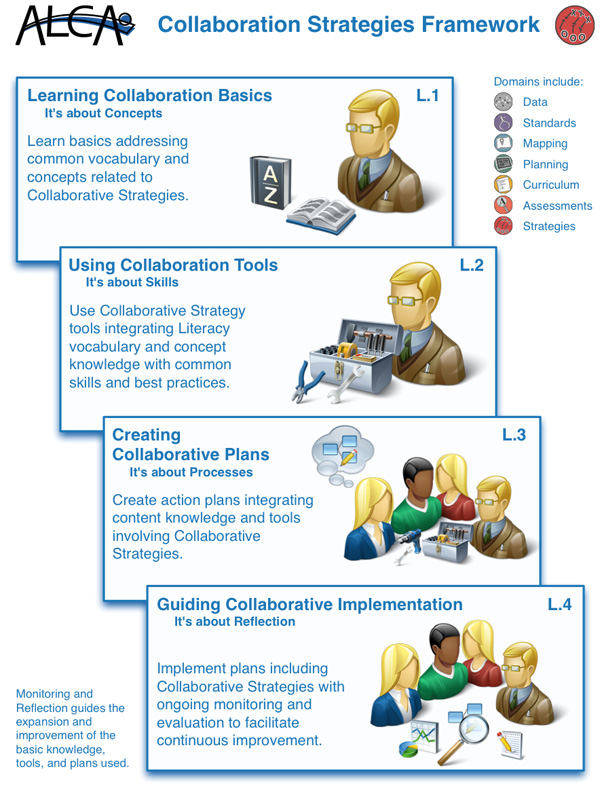
Collaborative assessment strategies are becoming increasingly popular in schools and educational institutions. Collaborative assessments allow students to work together, discuss ideas, and provide each other with feedback on their learning progress. Here are the top 15 collaborative assessment strategies that can be used to enhance student learning.
1. Peer review: This is a common form of collaborative assessment where students evaluate each other’s work. It encourages students to take ownership of their learning by providing constructive feedback to their peers.
2. Group projects: Group projects require collaboration among team members as they work towards achieving a common goal or objective.
3. Cooperative learning: In cooperative learning, students work in groups to complete tasks or solve problems while being accountable for their own individual contributions.
4. Think-pair-share: This strategy involves asking a question and giving students time to think about it individually before discussing it with a partner and then sharing with the whole class.
5. Jigsaw technique: The jigsaw technique involves dividing information into smaller parts which are assigned to different group members who then become experts on that topic before teaching it back to the larger group.
6. Gallery Walks: This strategy allows students to showcase their work around the classroom for others to view and provide feedback on.
7. Debate/Discussion Groups: Students engage in discussions or debates around specific topics where they analyze information from multiple perspectives, present arguments, listen actively, and respond respectfully.
8. Learning circles: Small groups of students meet regularly over an extended period of time (usually one semester) for discussion and reflection on specific topics related to course content or personal interests
9.Socratic seminar – A structured dialogue between individuals who examine complex ideas through questioning techniques
10.Rotating Stations – Students move through stations working collaboratively at each station
11.Triadic Assessment – Three-person teams assess three papers assessing three aspects of writing
12.Group quizzes/tests – Students collaborate during an exam process
13.Case studies – Students work together to analyze a complex real-world scenario
14. Learning Teams – Small groups of students who meet regularly to support each other’s learning and academic success
15. Peer Tutoring – A student-led approach where students teach and learn from one another through the exchange of knowledge and skills.
Collaborative assessment strategies have several benefits for both teachers and students, including:
1. Encouraging active participation: Collaborative assessment activities are designed to encourage active engagement among students, which helps in developing critical thinking, problem-solving skills, and communication skills.
2. Enhancing student motivation: When working collaboratively with their peers, students tend to be more motivated as they feel supported by their classmates.
3. Fostering social interaction: Collaborative assessments provide an opportunity for students to interact socially with their classmates outside the classroom setting.
4. Developing teamwork skills: As students work on collaborative projects or assignments, they learn how to work effectively in teams while respecting each other’s ideas and contributions.
5. Promoting deeper learning: Collaborative assessments allow for deeper learning as students can discuss concepts with others using multiple perspectives that help them develop a broader understanding of course content.
In conclusion, collaborative assessment strategies are essential tools for enhancing student learning outcomes in alternative schooling settings. Teachers need to incorporate these strategies into their teaching approaches as it encourages active participation among learners while promoting deeper connections between learners’ experiences and knowledge acquisition processes within the educational context.
 Alternative Amie
Leave a comment