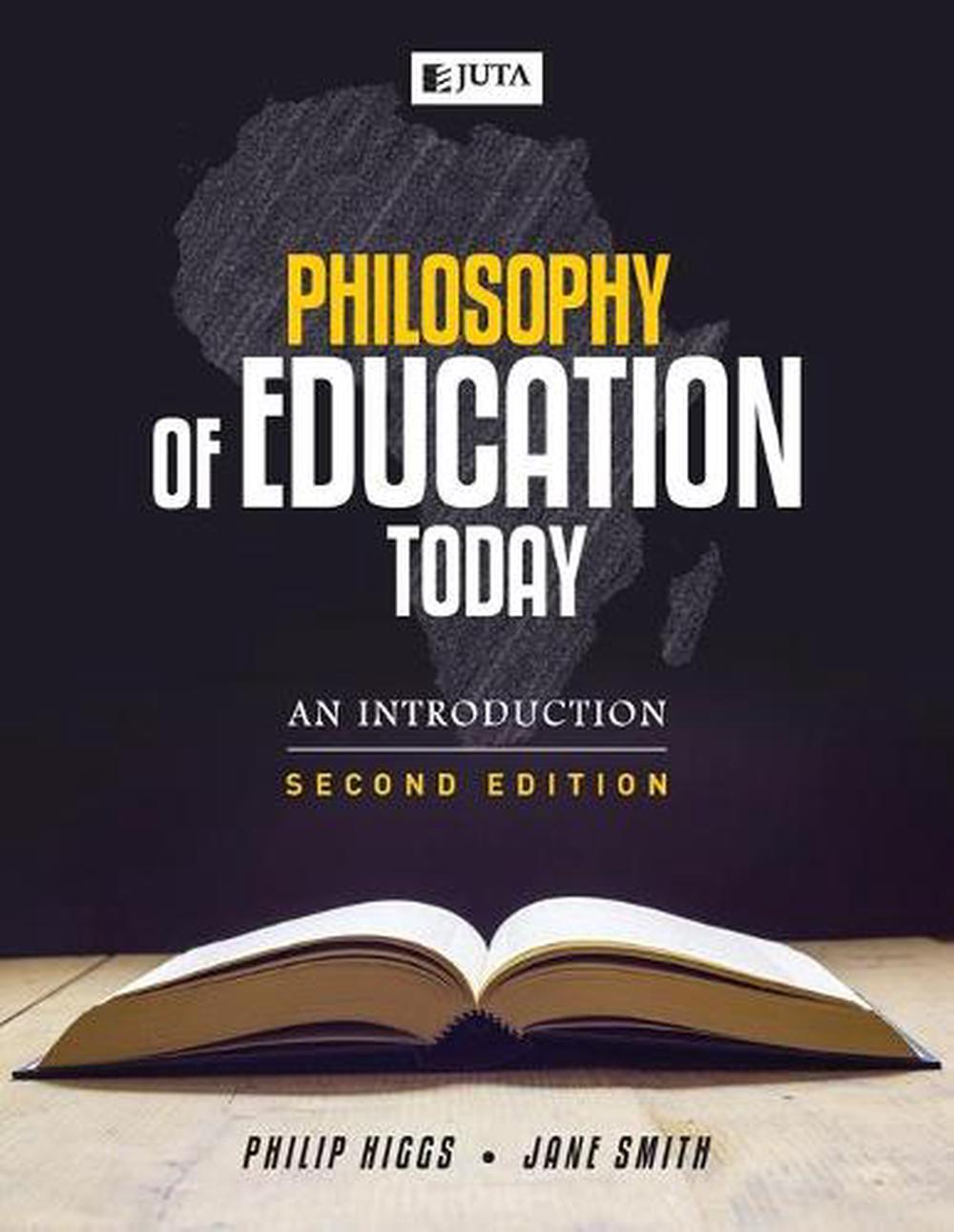
Philosophy is the study of fundamental questions related to existence, knowledge, values, reason and mind. It involves critical thinking and reasoning skills that help individuals develop a better understanding of themselves and the world around them. In alternative schooling and education programs, philosophy plays an essential role in helping students develop critical thinking skills, problem-solving abilities and analytical reasoning.
One of the main goals of teaching philosophy in alternative schools is to encourage students to think independently about various issues. This includes exploring different perspectives on topics such as ethics, politics, religion or social justice. By engaging in philosophical discussions with their peers or mentors at school, students learn how to understand complex ideas better and make sense of diverse viewpoints.
Philosophy also provides a platform for discussing existential questions that are often overlooked in traditional educational settings. For instance: What is happiness? What does it mean to lead a meaningful life? How should we relate to others? Such questions not only challenge students’ existing assumptions but also foster personal growth by promoting self-reflection.
In addition to cultivating independent thought processes, philosophy helps individuals build empathy towards others by encouraging them to consider other people’s experiences from various perspectives. Through studying different philosophical theories on morality or social justice for example, students can become more aware of societal inequalities and injustices affecting people worldwide.
Furthermore, Philosophy teaches valuable communication skills which are important for success both academically and professionally. By learning how to articulate thoughts clearly through writing or speaking exercises such as debates or presentations; students develop strong communication abilities necessary for effective collaboration with colleagues later on.
Another significant benefit of Philosophy lies in its ability to promote creativity among learners. Philosophical inquiry encourages individuals to explore new ways of looking at old problems which can lead them down paths they might not have considered before. As children grow up learning how philosophers throughout history have approached different issues creatively – using innovative methods like thought experiments – they will be inspired themselves when faced with their own challenges and problems.
Lastly, Philosophy also helps individuals develop a sense of purpose and direction in life. By grappling with some of the most fundamental questions about existence, students are given an opportunity to reflect on their own values and beliefs. This process can be quite transformative for young people as they start exploring what they truly care about or feel passionate about pursuing in the future.
To sum up, Philosophy is an essential part of alternative schooling programs that offer unique opportunities for personal growth and development. It provides a platform for discussing issues that are often ignored in traditional educational settings while simultaneously promoting critical thinking skills, empathy, creativity, communication abilities and self-reflection. Through studying philosophy at school children can learn how to think independently about various topics thus becoming better equipped to navigate complex issues later on in life.
 Alternative Amie
Leave a comment