Growth Mindset: The Key to Unlocking Success in Alternative Schooling and Education
In the world of alternative schooling and education, students come from all walks of life with a variety of backgrounds, experiences, and skillsets. While traditional schools often prioritize standardized testing and memorization-based learning, alternative schools focus on hands-on experiences that encourage creativity, critical thinking, and problem-solving skills.
But what sets successful students apart from those who struggle to thrive in an alternative educational setting? It’s not just their academic abilities or natural intelligence—it’s their mindset.
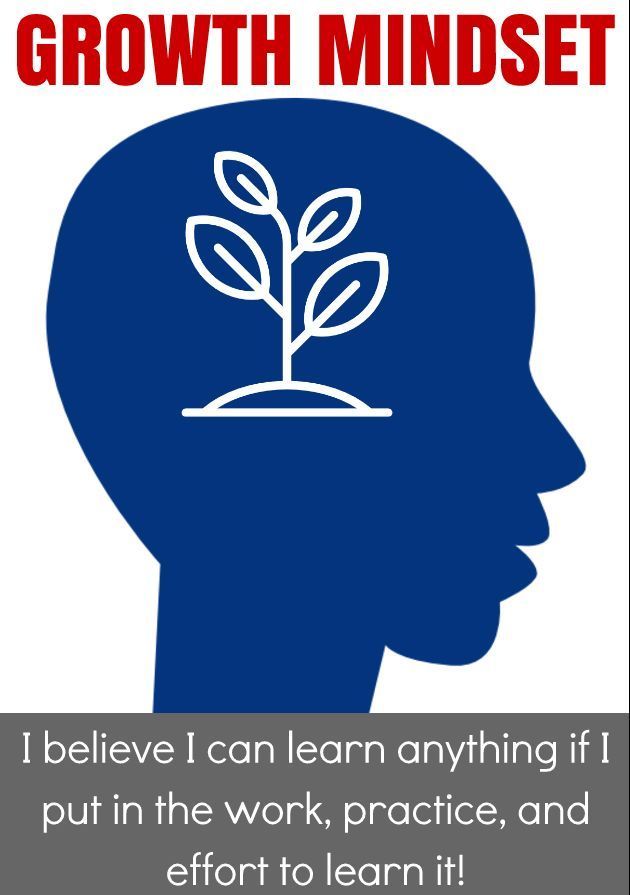
Enter the growth mindset. Coined by Stanford psychologist Carol Dweck in her book “Mindset: The New Psychology of Success,” the concept argues that people can change their abilities through dedication and hard work. In other words, success is not predetermined by innate talent alone; it’s also influenced by one’s beliefs about themselves and their potential for growth.
As educators continue to explore new ways of teaching children outside the traditional classroom setting, incorporating growth mindset principles into lesson plans has become increasingly popular. Here are some key ideas behind this approach:
1) Emphasizing Effort Over Talent
One way to foster a growth mindset is by emphasizing effort over talent. This means praising students for putting forth effort rather than solely focusing on results or innate ability.
For example, instead of telling a student “you’re smart,” try saying “I’m proud that you worked so hard on this project.” By doing so, teachers help students understand that hard work pays off—and that they have control over their own success.
2) Encouraging Risk-Taking
Risk-taking is essential for developing a growth mindset because it encourages learners to take chances without fear of failure. When students are afraid of making mistakes or failing at something new—whether it be a science experiment or art project—they may avoid trying altogether out of fear of being judged negatively.
By encouraging risk-taking behaviors like experimentation, problem-solving, and creative thinking, educators help students develop resilience and perseverance. This is especially important in alternative education settings where students may be more likely to face challenges that require them to think outside the box.
3) Embracing Challenges
Challenges are opportunities for growth. In a traditional schooling environment, students who struggle with a subject or task may give up easily because they believe their intelligence or ability is fixed.
However, in an alternative setting where learning is often hands-on and experiential, embracing challenges can lead to breakthroughs and deeper understanding of subjects. Encouraging students to persist even when things get tough helps them develop grit—a key component of a growth mindset.
4) Fostering Collaboration
Collaboration is another essential component of developing a growth mindset. By working together on projects or assignments, students learn from one another’s strengths and weaknesses while building teamwork skills.
In addition, collaboration allows for peer feedback which can be instrumental in helping learners improve their work. Educators should strive to create classroom environments where all voices are heard equally—where each student feels valued for their unique contributions.
5) Using Mistakes as Learning Opportunities
Finally, perhaps the most significant aspect of fostering a growth mindset is teaching students how to use mistakes as opportunities for learning rather than sources of shame or judgment.
When learners understand that making errors doesn’t necessarily mean failure—and that refining strategies based on feedback can lead to improved performance—they become more resilient and less afraid of taking risks. As such, educators must provide ongoing feedback throughout the learning process so that learners know what they need to do differently next time around.
Conclusion:
In conclusion, promoting growth mindset principles within alternative educational contexts has the potential to unlock new levels of success for both teachers and learners alike. By emphasizing effort over talent; encouraging risk-taking behaviors like experimentation; embracing challenges as opportunities; fostering collaboration among peers; using mistakes as learning opportunities – these approaches not only help students achieve academically but also equip them with the tools to succeed in life. As educators continue exploring new ways of teaching children outside traditional classrooms, growth mindset principles will undoubtedly play an increasingly important role in shaping educational outcomes.
 Alternative Amie
Leave a comment