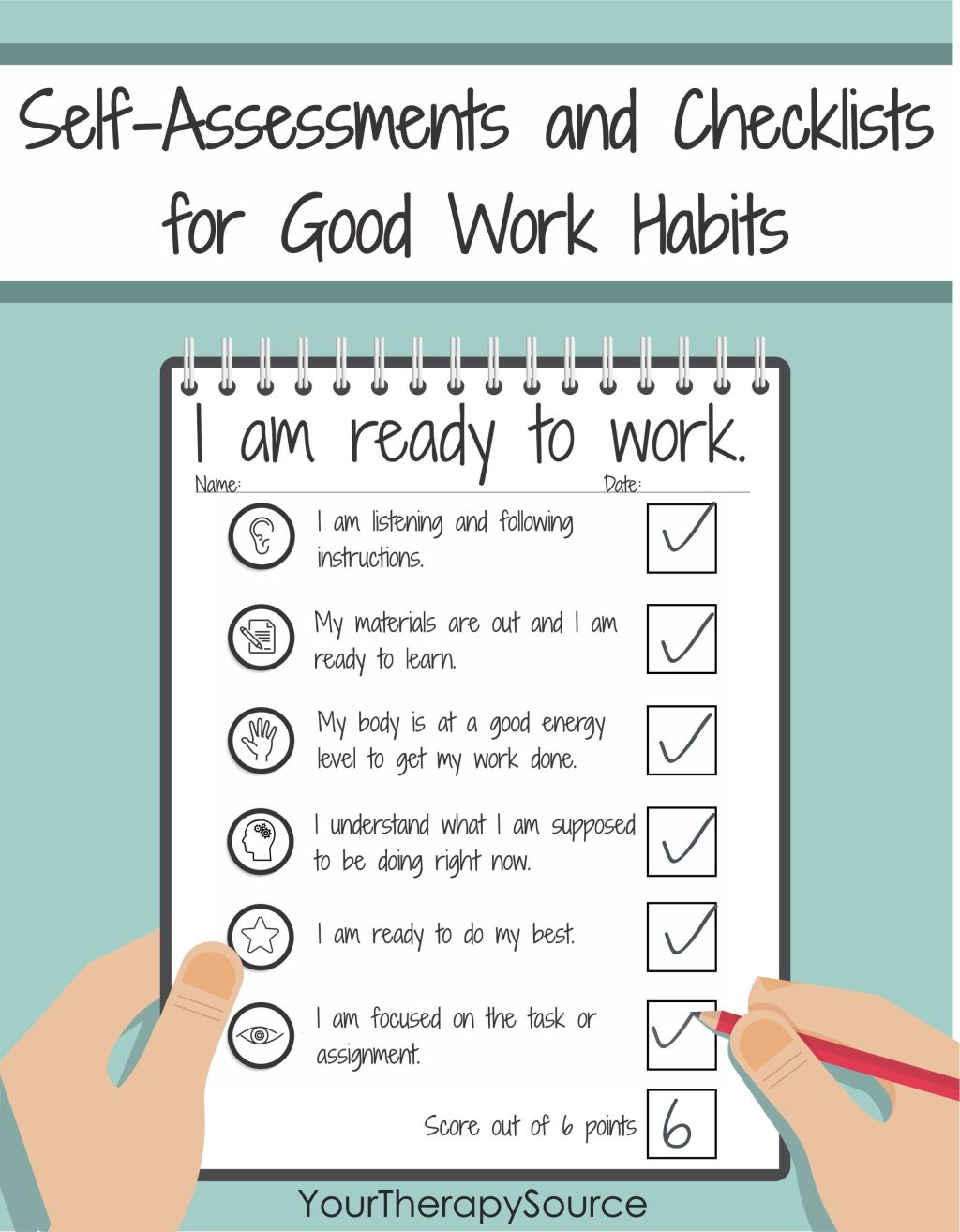
Self-assessment: A Guide to Understanding Yourself and Your Learning
Self-assessment is the process of evaluating your own knowledge, skills, and abilities. It is a powerful tool that can help you understand yourself better, set goals for growth and development, and improve your learning outcomes. In this post, we will guide you through the basics of self-assessment.
What is Self-Assessment?
Self-assessment involves reflecting on your own performance, identifying areas where you excel or struggle in specific tasks or subjects. It helps you to identify strengths as well as weaknesses so that you can take steps to improve them.
Why is Self-Assessment Important?
Self-assessment helps students become more independent learners by enabling them to monitor their progress effectively. The process also encourages individuals to take responsibility for their learning experience while developing a sense of ownership over their academic journey.
How Do You Conduct a Self-Assessment?
The first step in conducting a self-assessment is reflection. Take time after each task or project to reflect on what went well and what could have been improved upon. Ask yourself questions like:
– What did I do well?
– What could I have done differently?
– Did I meet my objectives?
– What new insights did I gain from this experience?
After reflecting on these questions, analyze your answers objectively without bias or judgment towards yourself. This analysis will help you determine ways to build upon existing strengths while addressing any challenges identified during reflection.
Benefits of Self-Assessments
Here are some benefits associated with self-assessments:
1) Improved Motivation – When students conduct regular self-evaluations they develop motivation towards improving themselves.
2) Increased Engagement – Students who regularly assess their work tend to be more engaged with it.
3) Builds Confidence – Regularly assessing oneself builds confidence as it provides an avenue for recognizing one’s strengths.
4) Identifies Weaknesses – By assessing oneself regularly one can identify weak spots and work on improving them.
In conclusion, self-assessment is an essential tool for students and individuals who want to improve their learning experience. The process helps you take ownership of your academic journey while providing a better understanding of yourself and your abilities. Regularly conducting self-assessments will help you stay motivated and engaged with your studies while building confidence towards achieving success in all areas of life.
 Alternative Amie
Leave a comment