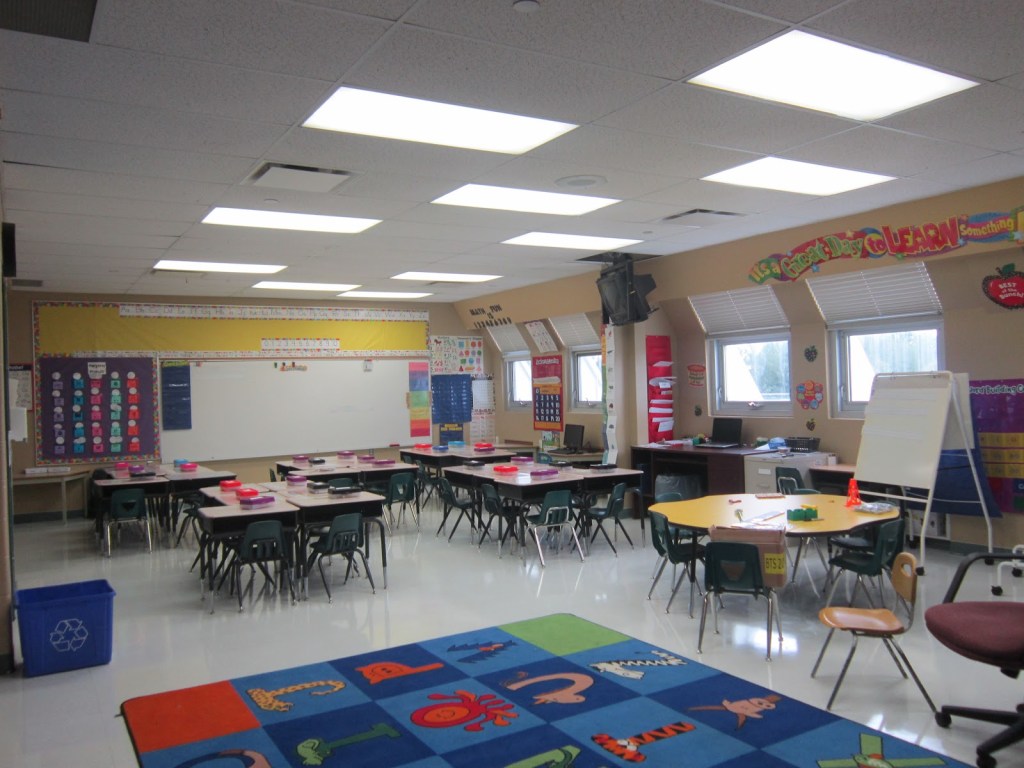
Classroom Design and Materials: Creating a Learning Space That Fosters Creativity and Productivity
The traditional classroom design has been in use for decades, with rows of desks facing the teacher. However, studies have shown that this design is not conducive to learning as it stifles creativity and makes it difficult for students to engage with one another. In recent years, educators have begun to rethink classroom design, focusing on creating spaces that foster collaboration, communication, critical thinking skills and productivity.
In this post, we will explore different classroom designs and materials that can be used to create an environment that promotes learning.
Flexible Seating
Flexible seating is a popular trend in modern classrooms. It allows students to choose where they want to sit based on their preference or learning style. This type of seating includes bean bags, floor cushions, standing desks or even yoga balls. The idea behind flexible seating is that when students are comfortable physically, they are more likely to be engaged mentally.
Some teachers may worry about the potential chaos of having students move around during class time instead of sitting still at their desks. However, when implemented correctly with established guidelines for movement and behavior during class time, allowing children the freedom to choose where they sit can lead them towards feeling empowered and motivated learners who take responsibility for their own education.
Natural Lighting
Natural lighting has been shown to improve student performance significantly. Studies show exposure to natural light improves mood levels hence reducing symptoms such as depression; it also boosts academic achievement by increasing concentration span among other cognitive benefits.
If possible aiming classroom windows towards sources of natural light like trees or open landscapes rather than buildings blocks can further enhance student engagement by providing a visually stimulating environment in which pupils can draw inspiration from nature itself.
Collaborative Workspaces
Collaborative workspaces are areas within classrooms designed specifically for group work activities or projects requiring teamwork between pupils working together toward common goals . These spaces provide opportunities for peer-to-peer learning, promote creativity and critical thinking skills. Collaborative workspaces can take the form of tables, chairs or even cubicles in areas where students can have access to different materials such as whiteboards and projectors.
Incorporating Technology
Integrating technology into classroom design is becoming more common by the day. Digital tools like tablets, laptops, interactive whiteboards are proving to be effective teaching aids that boost student engagement. These devices allow for more personalized learning experiences by making it possible for teachers to customize educational content based on each student’s individual needs.
Moreover, digital technologies provide opportunities not just within traditional subjects like math and science but also in creative areas such as graphic design and video production which may now be part of curricula in many schools across the world.
Engaging Wall Displays
Creating visually stimulating wall displays is an excellent way to engage students with their learning environment. The walls of a classroom offer unlimited potential when it comes to displaying art projects made by pupils themselves or other educative resources such as posters with scientific diagrams or historical timelines showing key events through time.
Additionally incorporating plants within the classroom has been shown to help purify air hence improving indoor air quality while providing a calming effect on learners promoting relaxation, concentration and productivity levels among other benefits.
Conclusion
Classroom design plays an essential role in creating a conducive learning environment that fosters creativity while enhancing academic performance among learners. The use of flexible seating arrangements allows for movement during class time so that students can choose where they feel most comfortable sitting; natural lighting helps improve mood levels while boosting cognitive abilities; collaborative spaces encourage teamwork between peers leading them towards better communication skills vital for success later on life; technology provides personalized interactive experiences tailored towards individual needs ; engaging wall displays create visual stimulation inspiring curiosity amongst pupils allowing them room discover new knowledge at their own pace without feeling overwhelmed.
Teachers should always strive to incorporate these elements into their classrooms because they will ultimately help develop well-rounded students who are capable of critical thinking and creativity, both essential skills for success in today’s world.
 Alternative Amie
Leave a comment