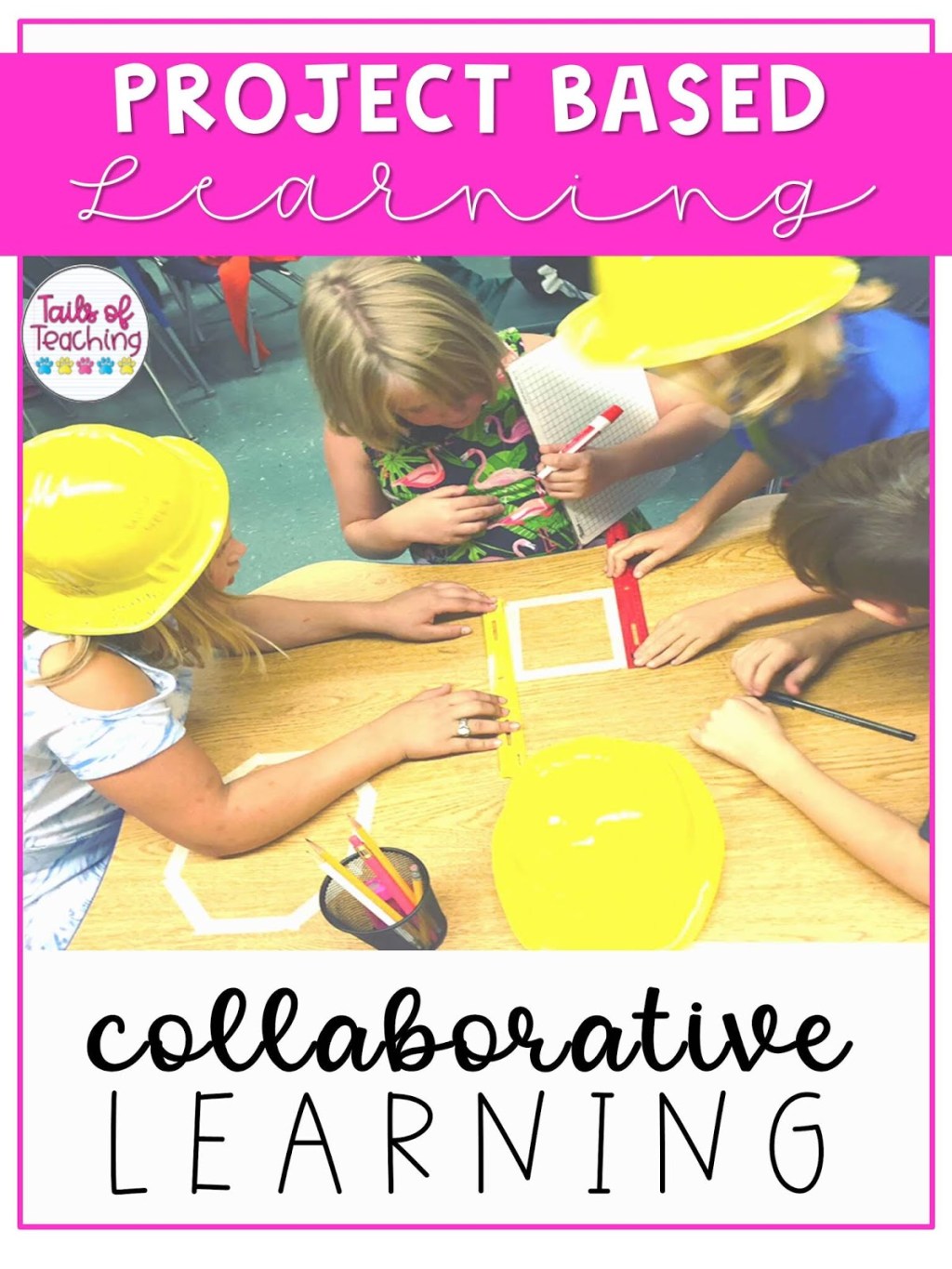
Project-based learning, also known as PBL, is an innovative teaching approach that has gained traction in recent years. The method entails students working on a significant project or challenge over an extended period of time to solve real-world problems and develop critical thinking skills. Project-based learning provides learners with the opportunity to work collaboratively and think creatively outside the traditional classroom setup.
To get a better understanding of how project-based learning works in practice, we spoke with Sarah Johnson, who teaches social studies at a high school where PBL is the primary mode of instruction. When asked about her experience with PBL, she said: “I prefer this approach because it allows me to give my students more control over their education and helps them see how they can apply what they learn in real-life situations.”
One example of a successful PBL project was when Johnson’s class worked on creating proposals for urban renewal projects after studying gentrification issues affecting their city. Students were divided into groups and tasked with drafting plans for improving housing conditions in low-income neighborhoods while preserving historical landmarks.
According to Johnson, “The students had to research various topics such as zoning laws, architecture history, public policy initiatives around affordable housing and community outreach.” By doing so, they learned practical skills like design thinking approaches while gaining knowledge about local politics and economics.
Another advantage of project-based learning is that it promotes teamwork among students. In traditional classrooms where lectures are the norm, most learners tend to work independently; however when using PBL methods group collaboration becomes mandatory hence promoting team building skills.
“Working together helped my students understand each other’s strengths and weaknesses,” added Johnson. “They developed interpersonal communication abilities by collaborating on complex tasks.”
While there are many benefits associated with project-based learning like increased engagement among pupils which translates into better grades – implementing this type of curriculum requires adequate resources such as technology equipment or materials for hands-on activities.
In conclusion, Project-Based Learning may not be the perfect fit for every student or educator, but its benefits are significant. When implemented properly, PBL can encourage students to become critical thinkers, problem solvers and helps them develop skills that will benefit their lives beyond the classroom.
 Alternative Amie
Leave a comment