Equity: The Key to Education and Life Success
Education is the foundation of a prosperous society. It shapes the future of individuals, communities, and nations. However, access to quality education has been unequal throughout history, with certain groups being marginalized and denied opportunities. This has led to disparities in academic achievement, income level, and overall well-being.
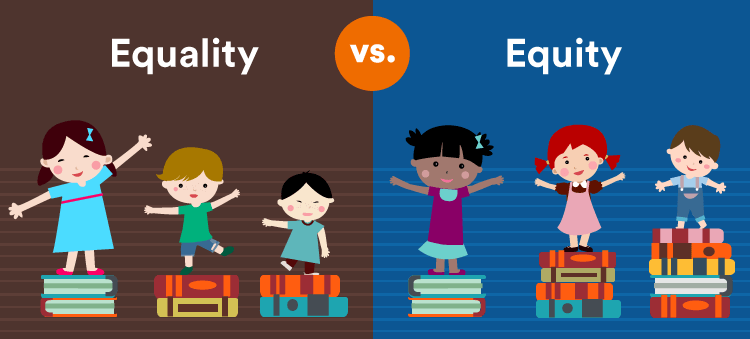
There is no doubt that equality should be a fundamental right for all students regardless of their race, gender identity or socioeconomic status. But what we need now is not just equality but equity in education. Equity means providing each student with the resources they need to succeed academically and personally.
What Is Equity?
Equity goes beyond treating everyone equally; it recognizes that some people face more significant barriers than others due to their circumstances like poverty or disabilities. To achieve equity in education systems require intentional efforts towards dismantling such barriers through policies, programs & initiatives designed specifically for helping those who are at risk of falling behind.
An equitable education system must ensure that every student has an equal opportunity to succeed by ensuring that they have access to high-quality learning environments irrespective of their background or current life situation.
The Importance Of Equity In Alternative Schooling And Education
In alternative schooling and education settings where students may come from more diverse backgrounds than traditional schools, equity becomes even more crucial as these students often face unique challenges requiring tailored support from educators.
Alternative schooling environments offer different approaches compared to conventional schools – smaller class sizes which allow teachers-to-student relationships resulting in personalized instruction plans for each student’s needs; hands-on learning experiences instead of rote memorization methods employed at traditional schools; collaborative projects rather than individual work assignments etc., all aimed at supporting learners’ growth on both an academic & personal level.
However – if these alternative educational models do not prioritize equity over equality- they can end up replicating existing inequities within our broader societal structures instead of challenging them head-on. For example, if a progressive school offering “self-directed learning” is only accessible to wealthy students, then it is not equitable.
The Benefits Of Equity In Education
Equitable education policies and practices offer benefits that go beyond academic performance. Here are some of the advantages:
1. Narrowing the Achievement Gap:
When every student has equal access to resources, they can achieve their full potential regardless of their background or current situation. This helps reduce disparities in academic achievement between privileged and marginalized groups.
2. Positive Impact on Societal Well-being:
An equitable education system promotes social cohesion by promoting a culture of inclusivity and diversity within communities; which ultimately results in healthier relationships among people from different backgrounds.
3. Improved Economic Outcomes:
Equity in education equips individuals with skills for better employment opportunities leading towards higher wages, greater job stability & overall financial well-being- this improves economic outcomes for whole communities as well as individuals themselves.
4. Reducing Poverty
By providing all learners with an excellent education that prepares them for success – including those who are living below the poverty line- we can help break cycles of poverty and ensure everyone has an opportunity to thrive.
How To Promote Equity In Alternative Schooling And Education
Promoting equity requires active engagement from educators, policymakers, families, community organizations & other stakeholders involved in alternative schooling models across our country’s educational spectrum.
Here are some strategies that can be employed;
1. Addressing Systemic Barriers
Alternative schools need to identify systemic barriers within their institutions that prevent learners from accessing high-quality educational services – such as limited funding; inadequate facilities; biased hiring practices etc., addressing these will create an environment where each student is supported based on their individual needs rather than external factors outside their control,
2. Equitable Resource Allocation
Alternative Schools should prioritize resource allocation through an equity lens – ensuring each learner gets what they require to succeed academically without any bias or discrimination based on their background or current situation.
3. Building Strong Relationships
Alternative Schools should build strong relationships with families, communities and other stakeholders- this ensures that all voices are heard in decision-making processes, leading to policies and initiatives that reflect the needs of learners equitably.
4. Culturally Responsive Teaching
Alternative schools must focus on culturally responsive teaching methodologies – this means acknowledging different cultural practices & histories as well as creating a learning environment where students’ diverse backgrounds are celebrated rather than ignored.
Conclusion
Equity is not just an abstract concept but a necessary aspect of alternative schooling models if we want to create a future where everyone has equal opportunities for success regardless of their circumstances.
Promoting equity in education requires us to work together across sectors and disciplines to challenge existing narratives about what is possible. It’s time we shift our attention from equality towards equity by recognizing the unique challenges each student faces and providing them with resources tailored to help them overcome obstacles they encounter along the way. Let’s ensure every learner gets access to high-quality educational services they deserve, paving the way for a brighter future for all!
 Alternative Amie
Leave a comment