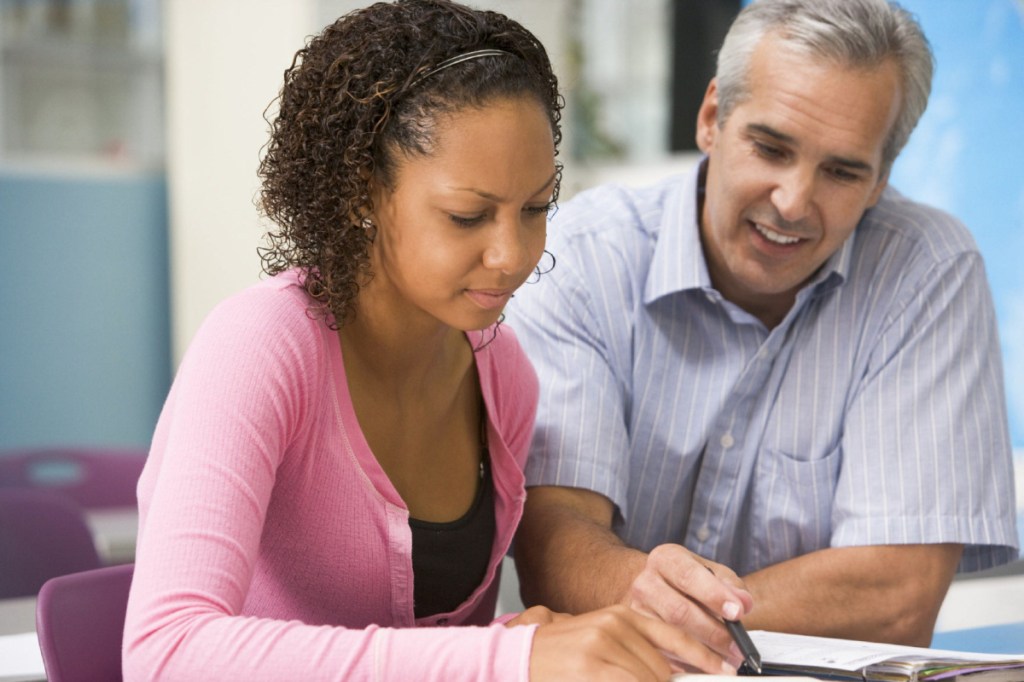
In many traditional school environments, the relationship between teachers and students can often be strained or distant. However, in alternative schooling and education settings, there is a greater emphasis on building positive teacher-student relationships. These relationships are essential for creating a supportive learning environment where students feel valued, respected, and motivated to learn.
One key aspect of building strong teacher-student relationships is developing an understanding of each other’s needs and perspectives. Teachers who take the time to get to know their students on a personal level can better understand their strengths and challenges as learners. This knowledge allows them to tailor their teaching strategies to meet individual student needs while also providing personalized support and encouragement.
Another important element of positive teacher-student relationships is open communication. When teachers create an environment where students feel comfortable sharing their thoughts, feelings, and concerns openly with them, they foster mutual trust and respect. Students who feel heard by their teachers are more likely to engage actively in class discussions and activities.
Creating opportunities for collaboration is another way that alternative educators promote positive teacher-student relationships. By involving students in decision-making processes about classroom rules or assignments, teachers show that they value student input and want them to have ownership over their learning experiences. Collaborative projects also give students chances to work together towards shared goals while developing teamwork skills.
Finally, it’s important for teachers in alternative education settings to demonstrate empathy towards their students’ life experiences outside of school. Many alternative schools serve diverse populations with unique backgrounds that may affect how they learn or interact with others in the classroom setting. By acknowledging these differences respectfully while supporting all learners equally, educators can help create inclusive classrooms where every student feels welcome.
In conclusion, fostering positive teacher-student relationships should be a priority within any educational setting but especially within alternative schooling environments where personalized attention plays such an essential role in supporting student success. Open communication channels between educators and learners are vital for creating safe spaces for engagement; this makes room for collaboration, mutual trust, and respect between all parties involved. The benefits of these relationships extend beyond the classroom walls as students become more confident and motivated to learn and succeed in their lives.
 Alternative Amie
Leave a comment