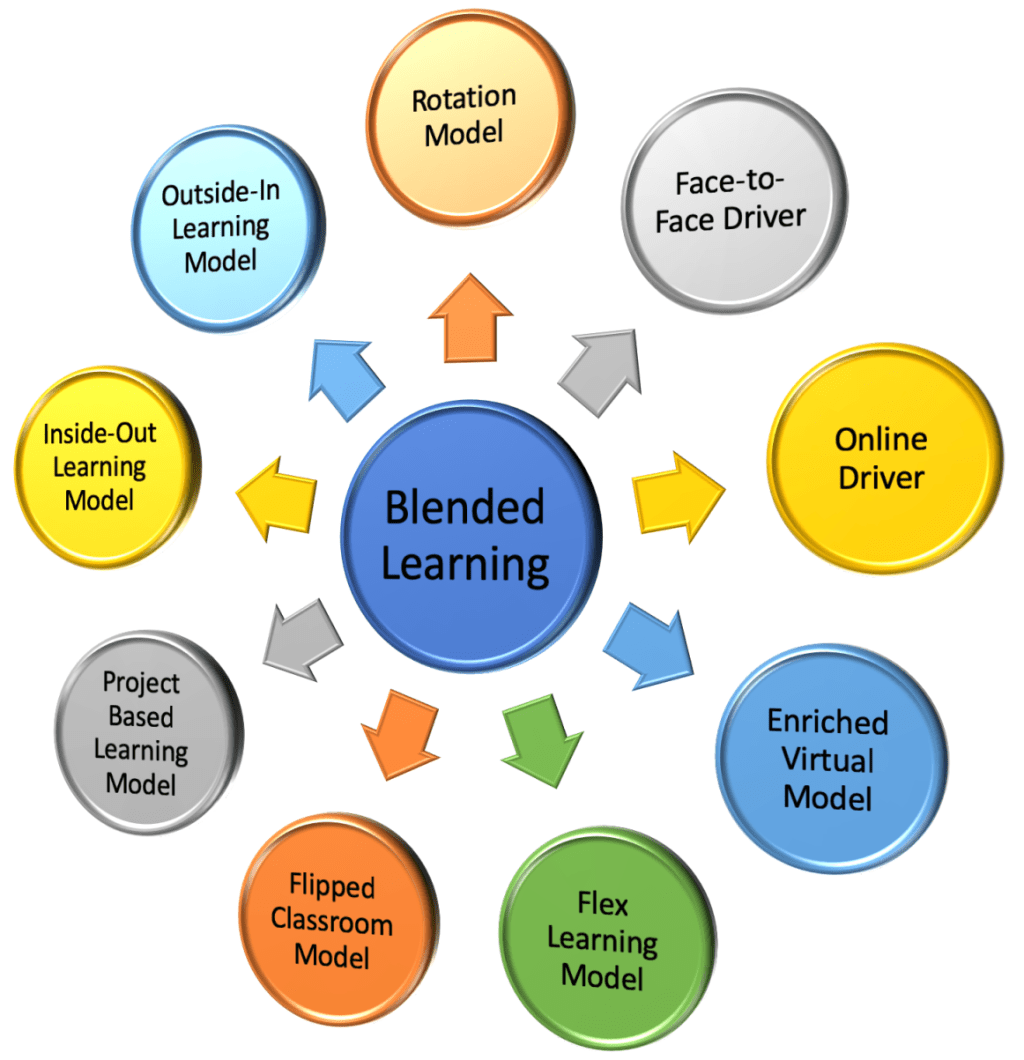
Blended learning has been gaining popularity in recent years as a teaching method that combines traditional face-to-face instruction with online elements. This approach to learning has proven effective for a variety of different populations, including students with disabilities, those in rural areas, adult learners, and vocational education.
For students with disabilities, blended learning offers a unique opportunity to tailor instruction and provide individualized support. By combining the flexibility of online coursework with personalized attention from instructors or aides during face-to-face sessions, these students can receive the accommodations they need while still being able to participate fully in the classroom.
Rural schools also benefit from blended learning because it allows them to offer courses that might not be available otherwise due to distance or lack of resources. Students can take classes online and then attend occasional face-to-face meetings with their teachers or peers for discussion and collaboration.
Adult learners often have busy schedules that make it difficult for them to attend traditional classes on campus. Blended learning provides these individuals with the flexibility they need to complete coursework at their own pace while still having access to support from instructors when needed.
In vocational education programs, blended learning allows students to gain hands-on experience while also completing theoretical coursework online. This type of program is especially useful for trades such as welding or automotive repair where practical skills are crucial but cannot be taught entirely through lectures.
Homeschooling families can also benefit greatly from blended learning by accessing high-quality curricula and resources online while still maintaining control over their children’s education at home.
Project-based learning is another area where blended learning shines because it enables students to work collaboratively on projects while receiving guidance from instructors both in person and online.
Personalized instruction is an important aspect of blended learning that allows each student’s needs and strengths to be addressed individually. Teachers can use data analytics tools included within some programs’ software platforms like Brightspace LMS there are several other Learning Management Systems (LMS) available as well to monitor student progress and adjust instruction accordingly.
Flipped classrooms are another popular use of blended learning that involves students watching lectures or other instructional materials online before coming to class, allowing for more hands-on activities during in-person sessions.
Student engagement is key to successful learning outcomes, and blended learning provides a variety of tools for instructors to keep their students engaged. Online discussion forums, interactive quizzes, and gamified elements can all be used to make coursework more engaging and enjoyable.
Social-emotional development is also an important aspect of education that can be addressed through blended learning. Programs can incorporate character-building exercises or social skills training into online coursework while still providing opportunities for face-to-face interaction with peers and teachers.
Teachers play a crucial role in creating successful blended learning environments. They must be trained on how to use the technology effectively and have the necessary support from administration to implement new programs successfully. Teachers must also be able to provide personalized instruction both online and offline as well as assess student progress accurately using traditional methods like exams or through projects facilitated by Learning Management Systems (LMS).
Blended learning has been shown to have positive effects on student achievement in many different populations. Studies have found increased retention rates, higher test scores, and improved attitudes towards school when using this approach.
Cost-effectiveness is always an issue when it comes to implementing new educational programs. However, the cost savings associated with reduced need for physical classroom space may offset some of the upfront costs incurred by schools implementing these kinds of programs long-term.
There are several different models available for blended learning that differ based on how much time students spend online versus face-to-face contact with instructors and peers; some are called HyFlex models where students choose whether they want full-time virtual classes or face-to-face meetings at a given point in time throughout each week while others take place over extended periods such as summer courses which combine multiple weeks’ worths work together within one week’s period
The use of technology is a crucial component of blended learning, and schools must invest in the necessary hardware and software to make it work. This includes high-speed internet access, computers or tablets for students, and Learning Management Systems (LMS) that provide a platform for teachers to deliver coursework online.
To implement successful blended learning programs, schools must have a clear plan in place that addresses issues such as training for teachers, student support services like tutoring or counseling available both online and offline as well as technical support on-site when needed.
There are several barriers to implementing blended learning in alternative schools such as lack of funding or resources. However, with careful planning and creative solutions like partnerships between different institutions or using existing infrastructure like public libraries can help overcome these obstacles.
Designing effective online components of a blended course requires careful consideration of how best to present content and engage students while still providing opportunities for face-to-face interaction. Best practices include incorporating multimedia elements like videos or interactive simulations into coursework, designing assignments that require collaboration between students either virtually or in-person sessions where possible.
Finding the right balance between face-to-face instruction and online components is critical in any blended course. Teachers must be able to adapt their teaching style based on the needs of each student while also keeping classroom management under control at all times.
Assessing progress is another important aspect of any successful educational program. In a blended course setting this might involve using analytics tools included within LMS platforms or traditional methods such as exams facilitated by instructors themselves who would monitor student progress through discussion boards etc
In conclusion, Blended learning offers unique advantages over traditional classroom settings by offering greater flexibility tailored individualized support increased engagement social-emotional development improved retention rates higher test scores cost savings over time along with other benefits mentioned above making it an attractive option across many different populations including those with disabilities rural areas adult learners homeschoolers vocational education project-based learning personalized instruction flipped classrooms among others; however its effectiveness will depend on careful planning and implementation.
 Alternative Amie
Leave a comment