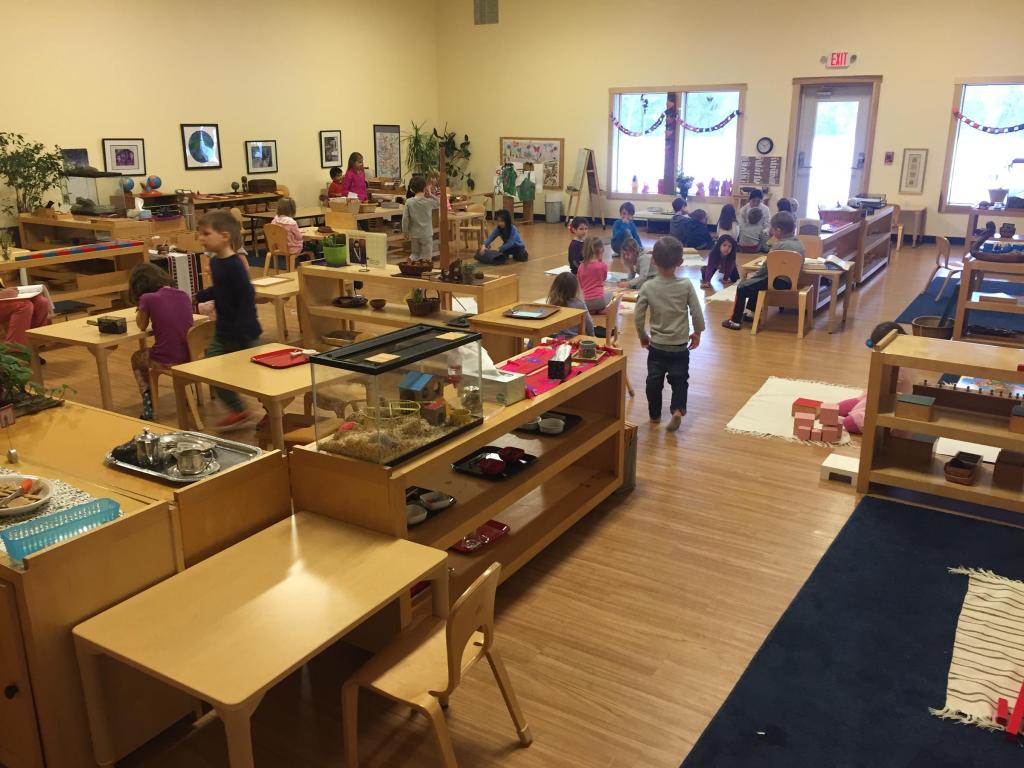
Montessori education is a method of education developed by Dr. Maria Montessori in the early 1900s. It emphasizes independence, freedom within limits, and respect for a child’s natural psychological development. The Montessori approach views the child as an active participant in their own learning and encourages them to explore their environment through hands-on experiences.
One of the key principles of Montessori education is that children learn at their own pace, based on their individual interests and abilities. This means that classrooms are not structured around traditional grade levels or age groups, but rather mixed-age groupings where children can work together and learn from one another.
The classroom setting in a Montessori school is also different from traditional schools. The space is designed to be inviting and conducive to learning with materials displayed on low shelves accessible to the students. Children are free to choose which activities they would like to work on during designated work periods, which can last anywhere from 30 minutes to several hours.
Another hallmark of Montessori education is the use of specially designed educational materials that are meant to be self-correcting, allowing children to learn independently without constant intervention from teachers. These materials include puzzles, blocks, counting beads, maps, and other manipulatives that help develop cognitive skills such as problem-solving and decision-making.
Overall, Montessori education focuses on developing a love for learning in children while fostering independence and autonomy. By providing an engaging environment where students can explore their interests at their own pace with guidance from trained teachers who act more as facilitators than traditional instructors – it creates a nurturing atmosphere that allows each child’s unique potential to flourish!
 Alternative Amie
Leave a comment