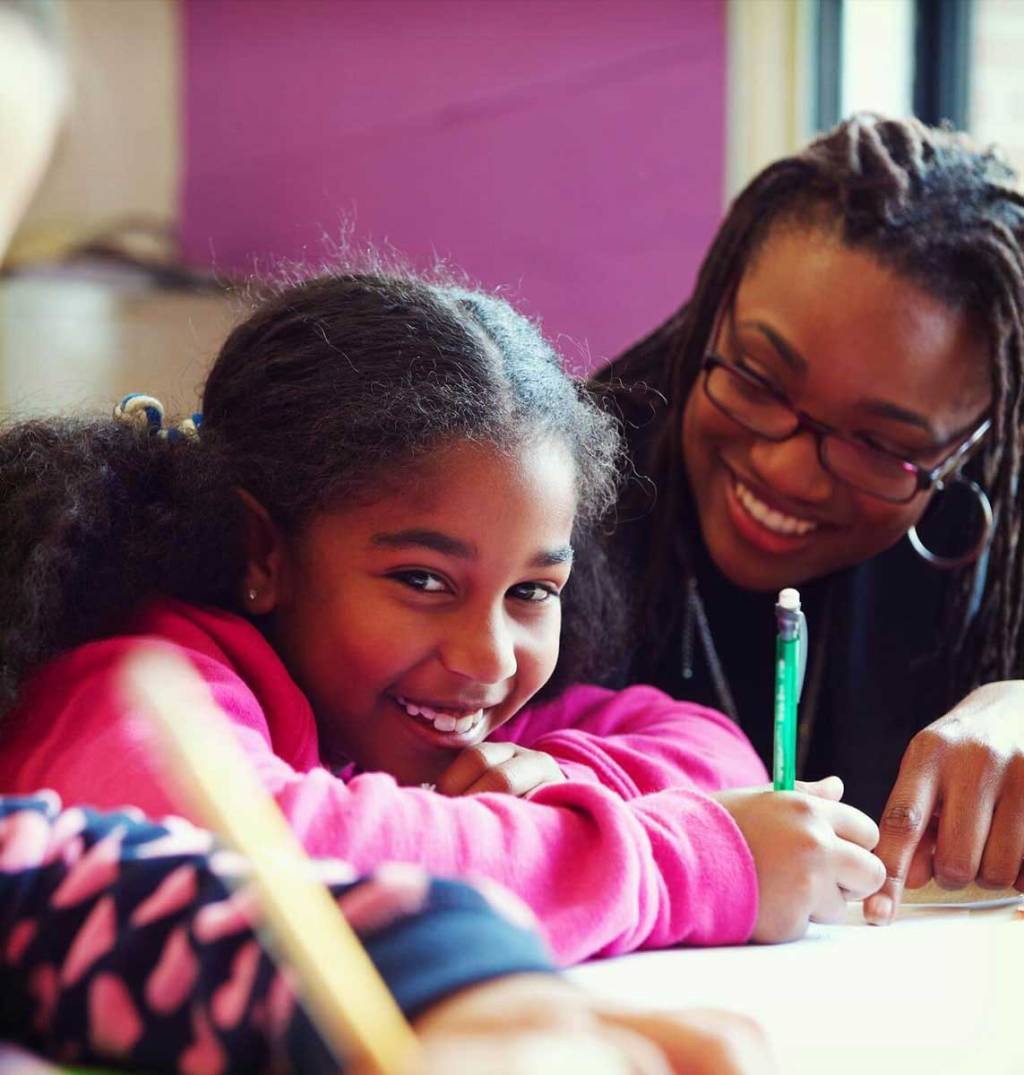
Mentorship is a valuable tool that can help individuals achieve their goals and reach their full potential. In the world of alternative schooling and education, mentorship plays an even more crucial role as it provides students with guidance and support beyond traditional classroom settings. Whether you are a student seeking guidance or a seasoned professional looking to give back by becoming a mentor, this article will provide you with detailed information about mentorship in alternative schooling and education.
What is Mentorship?
Mentorship refers to the process of having an experienced individual guide, advise, and support someone who is less experienced. The goal of mentorship is to impart knowledge, skills, and experience to the mentee so they can grow personally and professionally.
In alternative schooling and education, mentors play a significant role in helping students navigate through non-traditional learning environments. Mentors act as guides who help students set goals for themselves while providing them with feedback on how they can improve their performance.
Types of Mentorships
There are two main types of mentorships: formal mentoring relationships and informal mentoring relationships.
Formal mentoring relationships occur when there is an established agreement between the mentor and mentee. These agreements usually include specific goals that the mentee wants to achieve during the course of their relationship.
On the other hand, informal mentoring relationships occur naturally between individuals who share common interests or goals. These types of relationships may not have any predetermined goals but rather evolve over time organically.
Benefits of Mentorship
The benefits of mentorship are numerous for both mentors and mentees alike:
For Mentees:
1. Access to Information: Mentees gain access to relevant industry information from experienced professionals who have been working in their field for years.
2. Personal Development: Mentees receive constructive feedback on areas where they need improvement which helps them develop personally.
3. Networking Opportunities: Through mentors’ connections, mentees are exposed to new opportunities that may not have been available to them otherwise.
For Mentors:
1. Personal Growth: Mentoring others helps mentors develop their own leadership and communication skills.
2. Professional Development: By mentoring, mentors also gain exposure to new ideas and ways of thinking from their mentees.
3. Giving Back: Mentorship allows professionals to give back by sharing their knowledge with the next generation of industry leaders.
How to Find a Mentor
Finding a mentor can be challenging, but there are several ways that one can go about it:
1. Networking Events: Attend networking events such as conferences or trade shows where you can meet experienced professionals in your field of interest.
2. Social Media: Connect with people on social media platforms like LinkedIn who share similar interests as you do.
3. Referrals: Ask friends or colleagues for referrals to individuals they think would make good mentors for you.
4. Online Platforms: Join online communities or forums related to your field where experienced professionals may offer guidance and support.
How to Be a Good Mentor
Being a good mentor requires more than just having experience in your field; here are some key tips that will help you become an effective mentor:
1. Listen Actively: Active listening is crucial when it comes to mentorship as it allows the mentee the opportunity to express themselves fully while providing insight into areas where they need support or advice.
2. Provide Constructive Feedback: Give feedback that is specific, actionable, and aimed at helping the mentee improve their performance in certain areas.
3. Share Your Experiences (the good and bad): Sharing both successes and failures gives mentees an opportunity to learn from your experiences while also humanizing yourself in their eyes which makes them feel more comfortable asking questions or seeking advice from you later on down the line without fear of judgment or criticism.
4.Be Available And Consistent : A good mentor should always be available whenever needed by his/her mentee so he/she doesn’t feel like they are bothering the mentor. Consistency is also important as it helps to build trust and a solid relationship between the mentor and mentee.
Conclusion
Mentorship plays an integral role in helping individuals achieve their goals and reach their full potential, especially in alternative schooling and education settings. Whether you’re seeking guidance or looking to give back by becoming a mentor yourself, there are several benefits that come with being part of a formal or informal mentoring relationship.
Finding a mentor requires effort, but by attending networking events, connecting on social media platforms, asking for referrals from friends/colleagues, or joining online communities related to your field can all help you find the right person who can provide guidance and support along your journey.
Being a good mentor requires active listening skills, providing constructive feedback based on experience (both good & bad), sharing knowledge generously while making oneself available consistently whenever needed.
In conclusion, embracing the concept of mentorship is one way to ensure that students benefit greatly from alternative education systems while developing holistically into responsible citizens who will make significant contributions towards building societies that work for everyone.
 Alternative Amie
Leave a comment