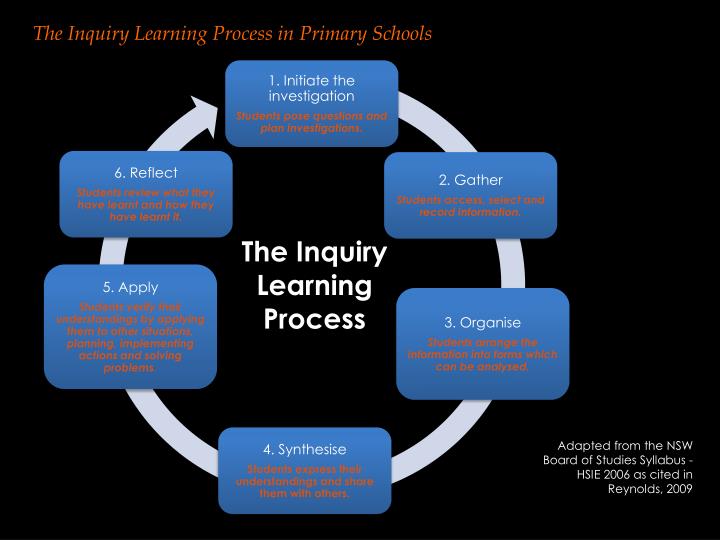
Inquiry-based learning is perhaps one of the most effective approaches to education that we have today. It is a student-centered approach that emphasizes on curiosity, critical thinking, and exploration. In this style of teaching, students are encouraged to ask questions, explore various solutions to problems and come up with their own conclusions based on evidence.
As a journalist who has spent years reporting on different types of education systems, I have noticed an interesting trend among the schools that use inquiry-based learning; their students seem to love school! This might sound unbelievable but it’s true – there’s something about being in control of your own learning that makes you excited about going to class.
So what exactly happens in an inquiry-based classroom? Well, for starters there’s a lot less lecture-style teaching and more interactive discussions. Teachers act as facilitators rather than knowledge dispensers – they guide students through the process of finding answers rather than just giving them the information outright.
One thing I’ve noticed in these classrooms is how much time teachers spend asking questions instead of providing answers. They encourage students to think critically by asking open-ended questions like “What do you think will happen if…?” or “Why do you think this happened?” These types of questions help build analytical skills in children from a young age which can be especially useful later on in life when they need to solve complex problems at work or home.
Another great thing about inquiry-based learning is that it helps foster creativity. Students are encouraged to come up with their own ideas and explore new concepts without fear of failure or judgement. In fact, failure is seen as just another stepping stone towards success since it provides valuable feedback for improvement.
This type of teaching also encourages collaboration among peers as well as between teachers and students. Group projects become more than just working together towards a common goal – they become opportunities for kids to learn from each other’s unique perspectives and strengths.
But perhaps one of the best things about inquiry-based learning is that it helps prepare students for the real world. In today’s fast-paced and constantly changing society, being able to adapt, learn new skills quickly and think critically is critical to success.
Inquiry-based learning teaches children how to be curious about the world around them as well as how to ask questions and find answers on their own. These are skills that can be applied in any field whether it’s science, medicine, business or even politics.
Now, I know what you’re thinking – “This all sounds great but does it actually work?” Well, studies have shown that students who go through inquiry-based programs tend to perform better academically than those who don’t. They also show higher levels of engagement and motivation towards learning which translates into better attendance rates and less behavioral issues.
So if you’re a parent or teacher looking for an alternative approach to education then consider inquiry-based learning. It may not be perfect but it’s definitely worth exploring given its many benefits.
In conclusion, inquiry-based learning is a powerful tool that can help shape the minds of our future leaders by encouraging curiosity, creativity, critical thinking and collaboration. By giving students control over their own education we empower them with the skills they need to succeed in life no matter what path they choose. So let’s embrace this approach wholeheartedly and watch our kids thrive!
 Alternative Amie
Leave a comment