Personalized Learning: Meeting the Diverse Needs of Students
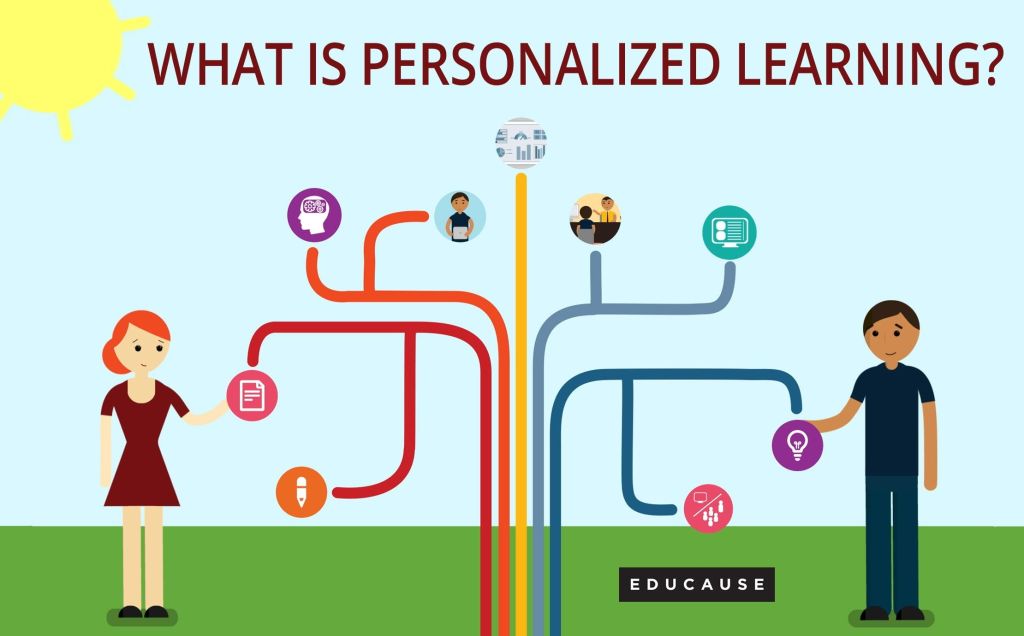
In recent years, personalized learning has gained much attention as a promising instructional approach to meet the diverse needs of students. Personalized learning is an educational approach that tailors instruction and curriculum to individual student’s interests, abilities, and pace. It emphasizes student agency, voice, and choice in learning.
This article explores different aspects of personalized learning across various settings such as rural areas, urban centers, small towns, big cities, remote regions, indigenous communities, immigrant populations, refugees’ situations, low-income families’ circumstances as well as special education needs. We will also examine different types of schools where personalized learning takes place such as public schools or private institutions. Additionally we’ll take a look at alternative approaches including homeschooling options and online resources.
Rural Personalized Learning
Many rural areas face unique challenges in providing quality education due to their isolation from urban centers which limits access to resources such as technology or specialized teachers. However personalization can be an effective strategy for meeting the diverse needs of students in these settings.
In rural areas where classes are often multi-grade classrooms with limited numbers of students per class; teachers can use blended instructional models that integrate digital tools with traditional teaching methodologies. This allows them to differentiate instruction based on each student’s pace and ability level while also catering for their interests.
Moreover personalized learning can help bridge gaps between formal schooling experiences and informal community-based knowledge transmission methods in these settings by integrating local culture into classroom activities.
Urban Personalized Learning
Urban environments present unique challenges with overcrowded classrooms resulting in fewer opportunities for one-to-one interactions between teacher-student pairs which hinders personalization efforts but this doesn’t mean it isn’t still achievable!
One way urban schools are implementing personalized learning is through project-based instruction that promotes inquiry-driven exploration by allowing learners to choose topics of interest within set parameters leading them towards differentiation paths catered specifically towards their individual needs within the classroom.
Personalized Learning in Small Towns
Small towns can benefit from personalized learning as it allows for community members to collaborate and share resources easily. Teachers can use project-based instructional models where students work together on a single project that integrates multiple subjects. By doing this, teachers are able to tailor instruction based on student’s interests and abilities which increases engagement levels amongst learners.
Personalized Learning in Big Cities
Big cities have diverse populations with unique needs, so personalized learning is an effective way to cater for these differences. One strategy used in urban areas is block scheduling which involves grouping students into small cohorts based on their academic abilities or progress thus allowing for differentiated instruction within similar groups.
Additionally, the use of technology like adaptive software programs that track individual student progress enables educators to identify skill gaps early and provide targeted interventions before they become problematic.
Personalized Learning in Remote Areas
Remote areas often lack access to quality education due to limited resources such as materials and qualified instructors, however personalized learning can be an effective solution here too! Teachers can use digital tools like online videos or virtual simulations alongside traditional teaching methodologies by using interactive whiteboards or video conferencing platforms that allow real-time feedback between teacher-student pairs.
Moreover blended models offer flexibility by combining different approaches such as project-based instruction with computer-assisted learning modules tailored towards each learner’s level of ability providing a more comprehensive educational experience irrespective of location .
Personalized Learning for Indigenous Communities
Indigenous communities are characterized by rich cultural traditions passed down through generations but struggle with assimilation into western-style education systems. Personalization offers an opportunity to integrate indigenous knowledge into the curriculum while also maintaining cultural heritage within the classroom context.
Incorporating local language alongside standard English curricular content provides a more inclusive educational approach that values diversity amongst learners promoting intercultural understanding between students from different backgrounds simultaneously enhancing self-esteem among indigenous youth who may feel marginalized under traditional schooling systems .
Personalized Learning for Immigrant Students
Immigrant students often face linguistic and cultural barriers that may impede their academic progress. Personalized learning provides an ideal solution by tailoring instruction towards each student’s needs, abilities, interests, and culture.
One strategy used here is the use of bilingual tutors or peer mentors who are able to provide support during classroom instruction helping learners navigate through language-based challenges while also promoting intercultural understanding within the classroom context.
Personalized Learning for Refugees
Refugee situations can be challenging as they often involve trauma from past experiences which require specialized attention beyond traditional schooling methods. Personalization offers an effective approach by providing individualized interventions that cater specifically towards their emotional and psychological needs.
For instance, teachers can use mindfulness practices, yoga or meditation exercises among other strategies to help refugees cope with stressors associated with relocation in new environments fostering a sense of belonging amongst learners.
Personalized Learning for Low-Income Students
Low-income families lack resources such as technology making it difficult for them to access quality education opportunities. Personalization is a cost-effective way to bridge this gap as it allows for differentiated instruction without reliance on expensive equipment or technologies .
Moreover project-based instructional models offer opportunities for community involvement where local businesses or organizations partner up with schools providing resources like materials or expertise thus increasing engagement levels amongst learners while promoting social responsibility among all stakeholders involved in the educational process.
Personalized Learning for Special Needs Students
Special needs students have unique challenges requiring personalized attention tailored towards their specific requirements. Teachers can use formative assessment tools like observation techniques alongside digital technologies like adaptive software programs that track individual student progress enabling educators to identify skill gaps early before they become problematic.
Additionally, differentiated instruction based on sensory preferences using multisensory teaching methodologies has been proven effective in enhancing retention rates among special needs students .
Personalized Learning for Gifted Students
Gifted students require personalized attention too since traditional instructional approaches may not challenge them enough leading to boredom which can be detrimental to their development. Personalized learning provides an opportunity to differentiate instruction based on individual ability levels, interests and pace.
One approach used here is the use of acceleration techniques like early entrance or subject-matter acceleration that allow gifted students to progress at a faster pace within their area of interest thus increasing engagement levels amongst learners.
Personalized Learning for English Language Learners
English language learners face linguistic barriers that require specialized attention beyond traditional instructional approaches. Personalization offers a solution by tailoring instruction towards each student’s level of proficiency while also incorporating cultural content.
For instance, teachers can use bilingual tutors or peer mentors who are able to provide support during classroom instruction helping learners navigate through language-based challenges while also promoting intercultural understanding within the classroom context.
Personalized Learning in Public Schools vs Private Schools
Public schools have larger class sizes and limited resources compared to private institutions making it difficult for them to implement personalized learning strategies effectively. However, public schools often serve more diverse populations which presents an opportunity for educators to implement inclusive educational practices such as differentiated instruction designed around specific needs of all students regardless of background .
Private schools with smaller class sizes and greater access to resources are better positioned for implementing personalized learning strategies effectively. However they often lack diversity among student populations limiting opportunities for intercultural understanding and social responsibility awareness amongst learners.
Homeschooling and Personalized Learning
Homeschooling parents can take advantage of personalized learning by designing curricula tailored towards each child’s interests, abilities, and pace without reliance on standardized testing requirements imposed by formal education systems. This allows families more flexibility in terms of scheduling, location choice as well as curriculum design leading towards higher retention rates among homeschoolers overall compared against traditional schooling methods .
Online Personalized Learning Options
Digital technologies offer opportunities for personalized learning where students learn at their own pace using adaptive software programs that track individual student progress enabling educators to identify skill gaps early before they become problematic . Additionally, online learning platforms provide access to resources that may not be available in traditional classroom settings such as virtual field trips or guest lectures from experts in specific fields of interest.
Blended Personalized Learning Models
Blended models combine traditional teaching methodologies with digital technologies like adaptive software programs allowing for differentiation based on individual learner needs, interests and pace. This approach provides opportunities for community involvement where local businesses or organizations partner up with schools providing resources like materials or expertise thus increasing engagement levels amongst learners while promoting social responsibility among all stakeholders involved in the educational process .
Co-operative Personalized Learning Initiatives
Cooperative initiatives offer opportunities for personalized learning by combining efforts across different sectors including education providers, parents, communities and employers providing more comprehensive solutions towards meeting diverse student needs. For example, co-op programs could involve students working part-time at local businesses gaining valuable work experience while also earning academic credits leading toward higher retention rates among participants overall compared against traditional schooling methods .
Personalised Learning In International Schools
International schools offer a unique opportunity to incorporate cultural diversity into the curriculum through personalized learning strategies designed around specific regional needs. Teachers can use bilingual tutors or peer mentors who are able to provide support during classroom instruction helping learners navigate through language-based challenges while also promoting intercultural understanding within the classroom context.
Personalised Learning In Montessori Schools
Montessori schools emphasize self-directed learning where students have freedom of choice over what they learn and how they learn it. Teachers act as facilitators guiding children towards their areas of interest enabling them to take ownership of their educational experiences ultimately leading towards greater engagement levels amongst learners overall compared against traditional schooling methods.
Personalised Learning In Waldorf Schools
Waldorf schools emphasize holistic development involving experiential learning techniques that cater specifically towards each child’s developmental stage focusing on creativity and imagination as key elements underpinning all aspects of education .This approach fosters a sense of belonging amongst learners while promoting social responsibility awareness among all stakeholders involved in the educational process.
Personalised Learning In Reggio Emilia Approach
Reggio Emilia schools emphasize creativity and imagination as key elements underpinning all aspects of education. Teachers act as facilitators guiding children towards their areas of interest enabling them to take ownership of their educational experiences ultimately leading towards greater engagement levels amongst learners overall compared against traditional schooling methods.
Personalised Learning In Steiner Education
Steiner schools emphasize holistic development involving experiential learning techniques that cater specifically towards each child’s developmental stage focusing on creativity and imagination as key elements underpinning all aspects of education. This approach fosters a sense of belonging amongst learners while promoting social responsibility awareness among all stakeholders involved in the educational process.
Personalised Learning In Democratic Schools
Democratic schools emphasize self-directed learning where students have freedom of choice over what they learn and how they learn it. Teachers act as facilitators guiding children towards their areas of interest enabling them to take ownership of their educational experiences ultimately leading towards greater engagement levels amongst learners overall compared against traditional schooling methods.
Personalised Learning In Sudbury Schools
Sudbury schools emphasize individual freedom, respect for personal autonomy, and cooperation within democratic decision-making processes aiming to foster a sense of belonging amongst learners while promoting social responsibility awareness among all stakeholders involved in the educational process.
In conclusion, personalized learning is an effective strategy for meeting diverse student needs across various settings including rural areas, urban centers, small towns, big cities, remote regions, indigenous communities immigrant populations refugees’ situations low-income families special education needs alongside alternative schooling models such as homeschooling or online options. Personalized instruction promotes agency voice choice creative exploration intercultural understanding social responsibility awareness self-esteem enhancement among marginalized groups ultimately leading towards higher retention rates overall compared against traditional instructional approaches.
 Alternative Amie
Leave a comment