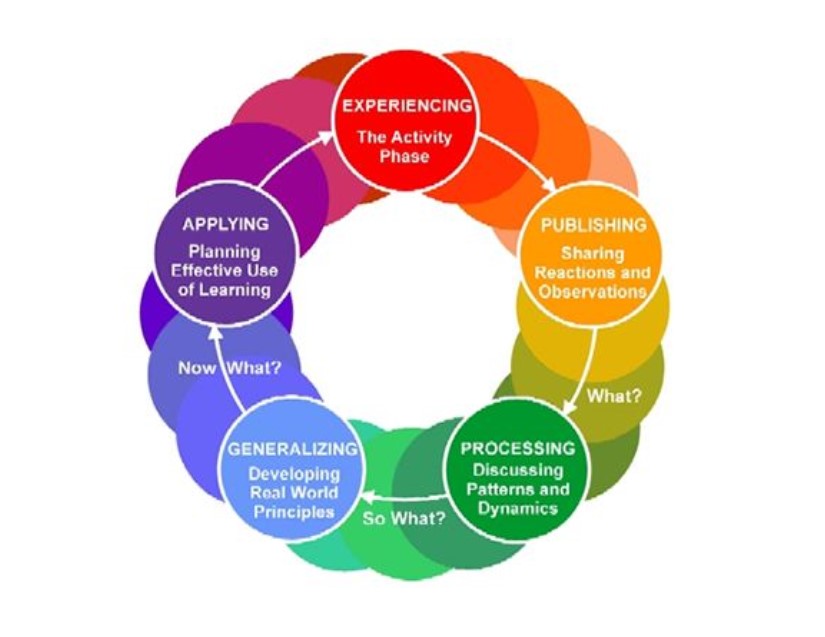
Experiential learning is an approach to education that emphasizes the importance of hands-on experience and active participation in the learning process. It involves engaging students in activities that allow them to apply what they have learned in real-world situations, making their education more relevant and meaningful.
In traditional classroom settings, students are often passive recipients of information, listening to lectures or reading textbooks without much opportunity for interaction or practical application. Experiential learning, on the other hand, encourages students to take an active role in their own learning by participating in activities such as experiments, simulations, field trips, and group projects.
One key benefit of experiential learning is that it helps students develop critical thinking skills by challenging them to solve problems and make decisions based on real-world scenarios. It also promotes creativity and innovation by providing opportunities for students to explore new ideas and think outside the box.
Another advantage of this approach is that it can help prepare students for future careers by giving them hands-on experience in their chosen fields. For example, a student interested in engineering might participate in a design challenge where they have to create an innovative solution to a problem using materials provided.
Experiential learning can be particularly beneficial for alternative schools or non-traditional education settings because it allows educators greater flexibility when designing curriculum and instruction methods. This approach can be tailored specifically towards individual learners’ needs instead of being constrained within pre-set curriculum standards.
To conclude, experiential learning offers many benefits over traditional classroom-based approaches; from developing critical thinking skills through problem-solving exercises all the way up until preparing young people for successful careers with hands-on experience within various fields.
 Alternative Amie
Leave a comment