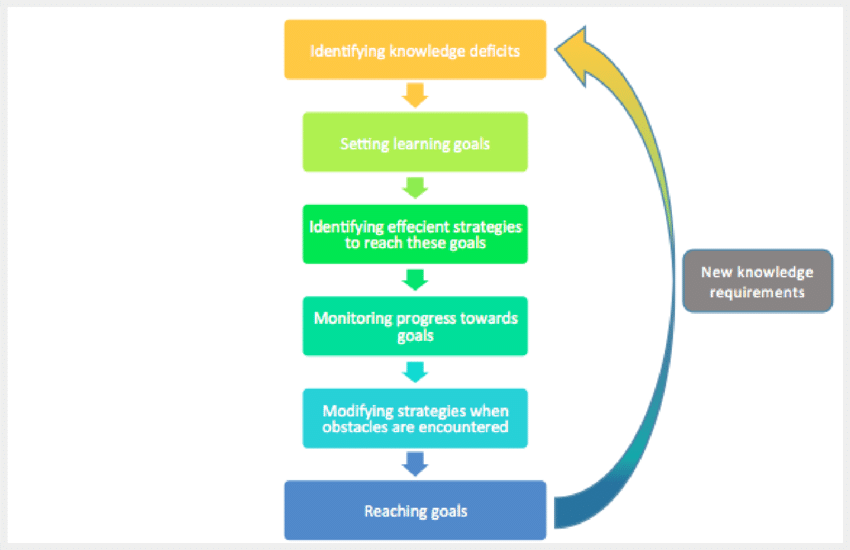
Alternative schooling and education have become increasingly popular in recent years, with more and more students seeking self-directed learning strategies that allow them to take control of their own education. In this article, we will explore the various aspects of alternative schooling and how it can benefit introverted students.
Self-Directed Learning Strategies
One of the key components of alternative schooling is self-directed learning. This approach gives students the freedom to choose what they want to learn, how they want to learn it, and at what pace they want to learn. Self-directed learning emphasizes critical thinking skills over rote memorization and encourages students to take an active role in their own education.
Self-Paced Learning for Introverted Students
For introverted students who prefer working independently rather than in a group setting, self-paced learning can be especially beneficial. With self-paced learning, students have the opportunity to work through material at their own speed without feeling rushed or pressured by other classmates.
Incorporating Technology into Self-Paced Learning
Technology plays a crucial role in alternative schooling methods today. With access to online resources such as e-books and digital lectures from experts around the world, technology has made it easier than ever for introverted learners to pursue their interests without leaving home. The use of technology also allows teachers and mentors to provide feedback on student progress remotely.
Time Management Skills in Self-Paced Learning
Another important aspect of alternative schooling is time management skills. When engaging in self-paced learning, it’s essential for learners to develop good time management habits so that they don’t fall behind on coursework or get overwhelmed by too much information at once.
Self-Assessment Techniques for Measuring Progress
To measure progress effectively when studying independently requires having suitable assessment techniques available. Some examples include reflection exercises where learners write about what they’ve learnt each day or week as well as quizzes or tests designed specifically for evaluating understanding across different topics covered within an individual course or subject area.
Creating a Personalized Curriculum
Creating a personalized curriculum that suits individual needs and interests is one of the most significant benefits of alternative schooling. For introverted students, this level of customization allows them to focus on areas they are passionate about and work towards specific goals without worrying about keeping up with peers or conforming to external standards.
Mentorship in Self-Paced Learning
Having mentors who can provide guidance, support, and feedback can be invaluable for self-paced learners. Mentors in alternative schooling environments often play an essential role in helping students stay motivated and overcome obstacles while pursuing their education independently.
Overcoming Procrastination
One challenge that many self-paced learners face is procrastination. To combat procrastination, it’s important to establish clear goals and deadlines for coursework as well as setting aside dedicated time each day or week for studying.
Developing Critical Thinking Skills
Self-paced learning naturally encourages critical thinking skills development because students must learn how to analyze information independently without relying on traditional classroom instruction. This approach fosters creativity and innovation by encouraging individuals to think outside the box when considering new ideas or concepts.
Building Accountability and Motivation
Accountability is key when it comes to self-directed learning. Without a teacher or mentor holding them accountable, introverted learners must rely solely on themselves for motivation which can prove challenging at times. However, strategies such as having regular check-ins with mentors or participating in online communities designed specifically for alternative schooling can help build accountability while supporting student motivation levels over time.
Balancing Socialization & Independent Study
For some introverted learners engaging in alternate education programs finding balance between socialization opportunities vs focused independent study may present challenges initially but there are various ways around this obstacle such as joining local groups centered around common interests like reading clubs or taking part in virtual discussion forums related topics that interest you.
Parental Involvement Impact
Parents who take an active role in their child’s educational journey can have a significant impact on their success. For introverted learners, having supportive parents who can provide guidance and encouragement is especially important as they navigate the challenges of self-directed learning.
Staying Focused During Long Periods of Study
To stay focused during long periods of study requires establishing a dedicated workspace free from distractions like televisions or social media platforms. Creating a routine that includes breaks for physical activity, healthy snacks, and other stress-reducing activities can also help maintain focus levels over time.
Using Project-Based Learning to Facilitate Self-Directed Education
Project-based learning is an excellent tool for self-directed education because it allows students to pursue topics they are passionate about while developing critical thinking skills through hands-on experience. This approach encourages creativity and innovation by giving students the freedom to explore new ideas in depth.
Online Courses: Benefits & Drawbacks
Online courses are another popular alternative schooling option. While these courses offer flexibility in terms of scheduling, they may lack the support structure found in traditional classroom settings which could present a challenge for some introverted learners who require more one-to-one interaction with teachers or mentors.
Incorporating Physical Activity into Daily Routine
Incorporating physical activity into daily routines is essential for staying healthy both mentally and physically while pursuing self-paced learning strategies. Taking regular breaks throughout the day to stretch or engage in low-impact exercise such as yoga can help reduce stress levels while promoting overall health and wellness.
Learning How to Learn: Teaching Students Effective Self-Learning Strategies
Teaching students how to learn effectively empowers them with tools necessary to succeed independently later on in life. By emphasizing critical thinking skills development over rote memorization methods, educators are setting up future generations well equipped with lifelong learning abilities essential for success within any career path.
Encouraging Creativity & Innovation Through Alternative Schooling Methods
Alternative schooling methods encourage creativity and innovation by allowing individuals greater autonomy over their educational journeys than traditional classroom settings. This approach empowers learners to explore new ideas, solve problems creatively and develop a greater sense of self-confidence over time.
Reflection & Goal-Setting Importance
Reflection and goal-setting are essential components of alternative schooling because they help students measure their progress and stay motivated. By setting specific goals and reflecting on what has been achieved so far, learners can focus on areas that need improvement while celebrating successes along the way.
Differentiating Instruction for Diverse Learners
Finally, differentiating instruction is essential in alternative schooling environments to meet the needs of diverse learners. By tailoring coursework to individual interests and abilities, educators can support each student’s unique learning journey while promoting independence and critical thinking skills development over time.
In conclusion, alternative schooling methods offer an excellent opportunity for introverted students seeking self-directed learning strategies that allow them greater autonomy over their educational journeys than traditional classroom settings. With personalized curriculums, mentorship opportunities, project-based learning experiences among many other benefits these approaches foster creativity while fostering lifelong learning habits necessary for success within any career path.
 Alternative Amie
Leave a comment