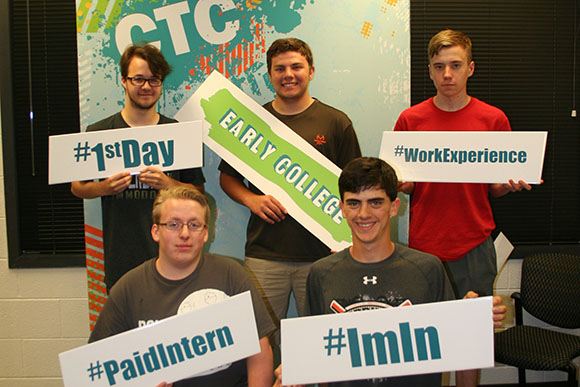
As the cost of college education continues to rise, early college programs have become an increasingly popular option for students across the United States. These programs allow high school students to take college-level courses and earn credits that can be applied towards their degrees, saving them both time and money in the long run. In this article, we will explore different types of early college programs and how they vary based on location.
Urban early college programs are typically located in densely populated areas where there is easy access to colleges and universities. Many urban early college programs partner with local universities or community colleges to offer courses on their campuses. This allows students to experience a traditional college setting while still being able to attend their regular high school classes.
Rural early college programs face unique challenges due to their remote locations. However, many rural schools have created partnerships with nearby community colleges or universities to provide distance learning opportunities through video conferencing or online courses. Dual-enrollment opportunities are also important for rural students who may not have as much access to higher education resources as those living in more urban areas.
Suburban early college programs often function similarly to urban ones but may be smaller in scale due to less population density. These programs generally partner with nearby institutions like community colleges or universities but sometimes offer upper-level high school courses at their own campus.
Early college programs in small towns must often rely on partnerships with neighboring larger towns or cities for educational resources and support services such as transportation options for attending classes off-campus.
In large cities like New York City or Los Angeles, a variety of options exist including partnerships between public schools systems and local universities as well as specialized magnet schools geared towards preparing students for careers in specific fields such as science, technology, engineering, and math (STEM).
Coastal regions often feature unique opportunities such as marine biology coursework offered by local colleges along with internships at research facilities focused on oceanic life sciences.
Mountainous regions might cater towards outdoor education and wilderness survival courses along with environmental sciences.
Desert regions may offer geology, archaeology, or astronomy classes due to the unique landscape of the region.
International early college programs allow students to study abroad for an entire semester or year while still earning credits towards their degrees. These experiences can be transformative for students as they gain exposure to different cultures and languages while also gaining valuable experience in their field of study.
Early college programs in the Midwest vary depending on location. Some schools offer partnerships with nearby community colleges or universities, while others have created specialized programs focused on agriculture, manufacturing, or technology-related fields.
On the East Coast, there are many early college program options ranging from Ivy League institutions like Harvard University to smaller liberal arts colleges that cater specifically towards high schoolers. Many urban areas such as Washington D.C., Boston, and New York City provide unique opportunities through partnerships between public schools systems and local universities
The West Coast is home to some of the most prestigious universities in the country. Early college programs here may feature specialized coursework in entertainment media industries such as film production or game design.
Dual-enrollment opportunities for rural and urban students alike allow high schoolers access to college courses without having to travel long distances. Online early college courses can also be a great option for remote learners who do not have easy access to brick-and-mortar institutions.
Community partnerships with early colleges provide internships and other real-world experiences that help prepare students for life after graduation. Study abroad options give students a chance to explore new cultures while learning valuable skills that will serve them well throughout their professional careers.
Service learning projects through early colleges enable student involvement in critical work around issues such as poverty alleviation or environmental sustainability while promoting leadership abilities among participants. College readiness initiatives target underrepresented communities by providing support services like mentoring or tutoring aimed at improving academic outcomes for historically marginalized groups.
In conclusion, early college programs come in various shapes and sizes across the United States. No matter where a student lives, there is likely an early college program nearby that will fit their needs and interests. These programs offer opportunities for students to get ahead in their education while saving time and money on tuition costs. Whether through partnerships with local colleges or universities, online courses, or study abroad options, early college programs provide unique learning experiences that can be transformative for students’ educational and personal growth.
 Alternative Amie
Leave a comment