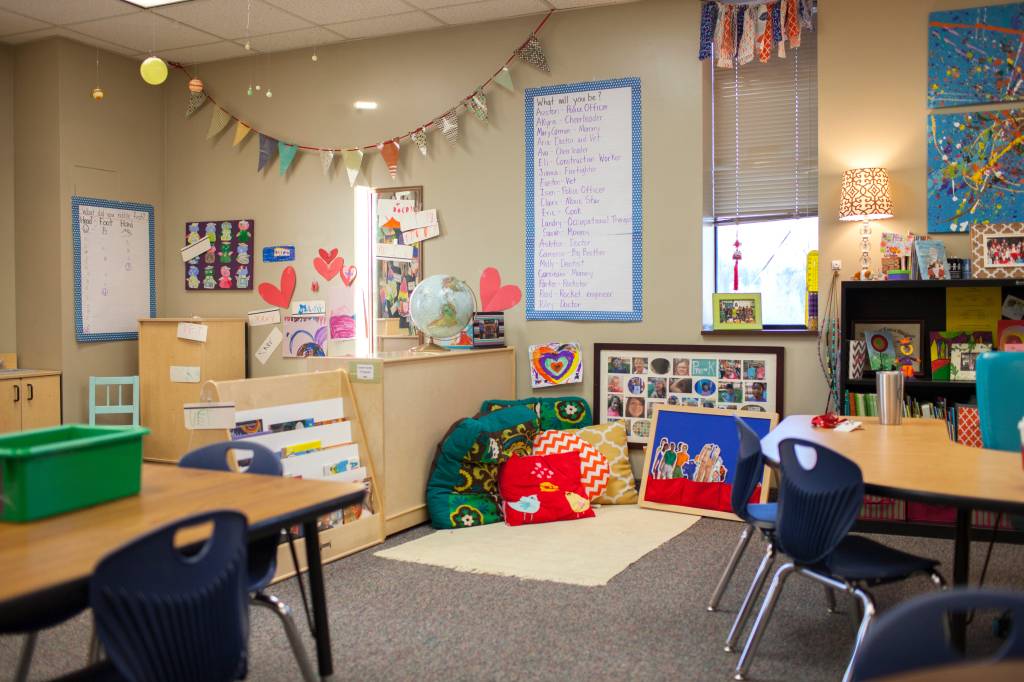
Classroom Design and Organization: Creating a Learning-Friendly Environment
When it comes to learning, the environment plays a key role in shaping students’ attitudes towards education. Classroom design and organization are important aspects of creating an effective learning environment that fosters engagement, collaboration, and creativity.
One key consideration is the layout of the classroom. Furniture should be arranged in a way that encourages interaction among students, while also allowing for easy movement around the room. This might include circular seating arrangements or cluster tables instead of traditional rows of desks.
In addition to furniture arrangement, lighting is another important factor in classroom design. Natural light is ideal but not always possible; therefore, using artificial lighting that mimics natural light can help create a more comfortable atmosphere for students.
Another aspect to consider when designing a classroom is color choice. Bright colors can energize students and spark creativity, while calming colors such as blue or green can promote relaxation and focus.
Organization within the classroom is also crucial for student success. Teachers should make sure there are designated areas for supplies and materials so that students know where everything belongs and how to access it easily.
Overall, effective classroom design and organization can have a significant impact on student engagement, motivation, and overall academic success. By prioritizing these elements when creating their learning spaces educators can provide an inviting environment that supports student learning at all levels.
 Alternative Amie
Leave a comment