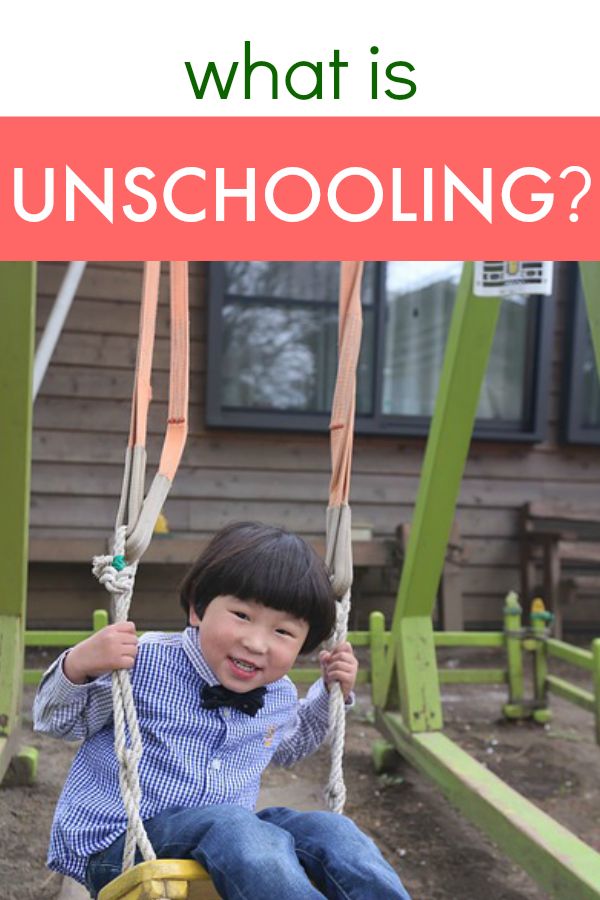
Unschooling is a unique approach to education that has become more popular over the years. The concept involves allowing children to learn through real-life experiences and interests, rather than traditional curriculum-based learning. This type of schooling has been adopted in various countries and cultures, each with their own unique take on it.
In the United States, unschooling has become increasingly popular among families seeking an alternative to the traditional school system. Many parents feel that public schools are too rigid and do not provide enough individualized attention for their children. Unschooling provides flexibility for children to pursue their interests and passions, which can lead to a deeper understanding of various subjects.
In India, unschooling is gaining traction as well, but for different reasons. The country’s education system can be incredibly competitive and stressful for students. Some parents have found that unschooling allows their children to learn at their own pace without feeling the pressure of exams or grades.
In Japan, unschooling is often referred to as “natural learning” or “life learning.” It emphasizes self-directed exploration and discovery through hands-on experiences outside of a classroom setting. This approach aligns with Japanese cultural values that prioritize experiential learning over strictly academic pursuits.
Unschooling also has roots in Indigenous communities around the world, including Australia’s Aboriginal population. Children in these communities traditionally learned through observation and participation in everyday tasks such as cooking or hunting alongside adults.
Overall, unschooling offers a unique alternative to traditional schooling methods across different cultures worldwide. While there are challenges associated with this approach – such as finding resources and support – many families find it rewarding for its ability to foster creativity, independence, and lifelong learning skills in children.
 Alternative Amie
Leave a comment