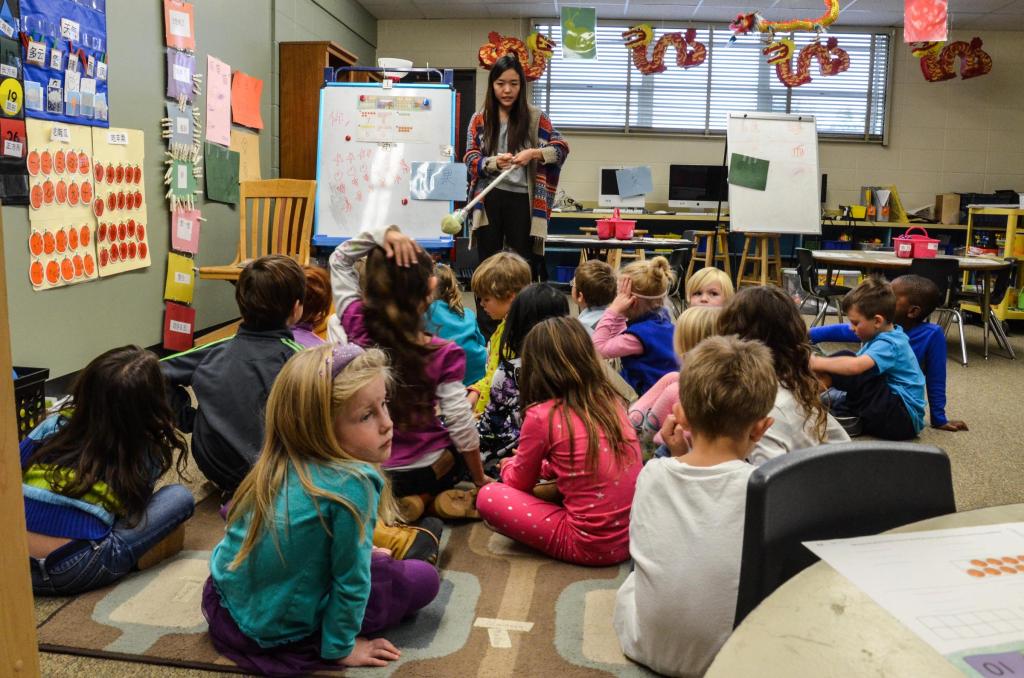
Language immersion is an educational approach that involves immersing students in a foreign language environment, where they are surrounded by native speakers and required to communicate solely in the target language. This method has become increasingly popular among parents and educators who seek to provide their children with a more effective way of learning a second language.
In this post, we will explore various subtopics related to language immersion education, including its benefits for young learners, public school programs offering immersion education, cultural immersion through language learning, technology’s role in immersive teaching methods, specialized approaches for special needs students or homeschoolers, bilingualism and cognitive development impacts on academic achievement. We will also cover challenges and solutions associated with implementing successful immersive programs as well as the importance of teacher training and parental involvement.
Benefits of Language Immersion for Young Learners
Studies have shown that young children have an innate ability to learn languages quickly and easily. Therefore starting early is key when it comes to second-language acquisition. Language immersion offers a unique opportunity for children to learn another language naturally while developing fluency skills in both oral communication and written expression.
Research shows that bilingualism enhances brain function by increasing cognitive flexibility – which allows individuals greater adaptability in problem-solving situations – as well as improving memory retention capabilities. Children who grow up speaking two or more languages may also experience advantages such as improved academic performance due to enhanced critical thinking abilities from exposure to alternative ways of seeing the world.
Additionally, being able to speak multiple languages can open doors for future career opportunities since many jobs require employees who are fluent in more than one language.
Language Immersion Programs in Public Schools
Public schools across the United States offer varying degrees of foreign-language instruction ranging from introductory courses at elementary levels all the way up through advanced studies at high school levels. Students attending public schools with limited access may benefit from enrolling into private institutions or online platforms that offer supplementary course materials focused on immersive teaching methods.
Immersion vs Traditional Language Learning Methods
Traditional approaches to language learning often involve rote memorization of vocabulary and grammar rules. While this method can be effective, it typically takes a longer time to achieve fluency compared to immersion-based programs.
In an immersive language environment, students are expected to speak solely in the target language from day one. This approach helps them develop native-like pronunciation skills as well as an intuitive grasp of grammar rules without needing explicit instruction.
Cultural Immersion Through Language Learning
Language immersion isn’t only about learning how to speak another language; it’s also about gaining exposure to other cultures. Students who participate in immersion programs have the opportunity not only to learn a new way of communicating but also explore cultural traditions and norms that form a crucial aspect of communication.
The Role of Technology in Language Immersion Education
As technology continues advancing, more teachers are using various software applications and online tools as part of the curriculum for foreign-language courses. These resources offer interactive experiences such as virtual reality simulations or videos that allow students the chance to practice speaking with native speakers worldwide.
Language Immersion for Special Needs Students
Special needs students may benefit significantly from immersion education since they tend to excel in environments where they feel engaged and interested. Research shows that personalized attention through immersive teaching methods can lead these learners towards achieving academic success.
Language Immersion for Homeschoolers
Parents who homeschool their children may choose immersive approaches when introducing new languages into their child’s educational experience. Online platforms provide flexible course alternatives that cater specifically towards homeschooling families looking for specialized curriculums centered around second-language acquisition strategies.
Bilingualism and Cognitive Development
Research indicates bilingualism has significant positive impacts on cognitive development – particularly memory retention abilities, problem-solving capabilities, executive function skills (the ability to plan ahead), enhanced creativity due exposure alternative ways seeing world which facilitates thinking outside boxes often limiting monolinguals’ perspectives resulting better decision making overall life opportunities both personal and professional.
Immersion Programs for Non-Native English Speakers
English language learners may benefit from immersion approaches through which they can interact with native speakers. These programs provide a unique opportunity to practice speaking skills in a real-world setting where students can learn nuances of the language not found in traditional classroom settings.
The Impact of Language Immersion on Academic Achievement
Studies have shown that students who participate in immersive programs tend to perform better academically, particularly those with lower socio-economic status. These programs offer personalized attention, higher levels of engagement, and improve critical thinking abilities – all factors contributing towards academic success.
Challenges and Solutions in Implementing Successful Language Immersion Program
Implementing successful immersion education requires significant effort from educators and administrators alike. Some common challenges include finding qualified teachers who are fluent in the target language or developing appropriate curriculums that meet state-mandated standards while still delivering effective immersive teaching methods.
To overcome these obstacles, schools must invest time into teacher training programs focused on providing them with necessary tools needed to teach effectively within an immersive environment – including exposure to different instructional strategies as well as resources such as technology platforms designed specifically for second-language acquisition purposes.
The Importance of Teacher Training in Language Immersion Education
Teacher training plays a crucial role when it comes to implementing successful immersion education programs. Educators need specialized instruction on how best to teach foreign languages via interactive methodologies since this approach differs significantly from standard teaching methods used for other subjects.
Parental Involvement in Supporting Language Immersion Learners
Parents play an essential role when it comes to supporting their children’s participation in language immersion education. They can help by investing time into researching available program options or advocating for increased funding towards foreign-language studies at public schools across states nationwide – ensuring more students have access regardless of socio-economic backgrounds or geographic location limitations imposed by local school systems.
Language Exchange Programs as a Form of Immersive Education
Language exchange is another fantastic way to immerse oneself in different cultures and languages. This program allows students from different countries to connect with each other, practice their speaking skills, and learn about new traditions while simultaneously experiencing cultural immersion at a deeper level.
Immersion Camps and Summer Programs for Kids & Teens
Summer programs provide children with an opportunity to experience immersive learning environments without the constraints of traditional classroom settings. These camps often offer activities such as language classes or cultural excursions – allowing kids to gain knowledge beyond what is possible through textbooks alone.
Immersion-Based Study Abroad Opportunities for High School Students
Study abroad opportunities provide high school students the chance to live in foreign countries while immersed within local communities – offering exposure not only to new languages but also diverse cultures. Such experiences help foster a sense of curiosity and empathy towards others resulting in life-long memories as well as personal growth both academically and socially.
The Benefits of Multilingualism in the Global Job Market
In today’s global economy, being multilingual can give job seekers a competitive edge when it comes to employment opportunities. Many international companies require employees who are fluent in more than one language since they need staff members capable of communicating effectively across borders.
The Impact of Globalization on the Demand for Bilingual Employees
Globalization has increased demand significantly for bilingual employees worldwide – particularly those capable of speaking English fluently alongside additional languages such as Spanish, Chinese Mandarin or Portuguese – making them valuable assets within corporate environments which operate internationally where communication barriers can exist due differences between various dialects spoken by native speakers globally businesses expanding into new markets requiring expertise understanding these nuances critical success overall operations leading greater profits long-term growth potential.
How To Choose The Right Language Immersion Program For Your Child’s Needs
Choosing an appropriate immersion education program requires careful consideration based on individual child needs. Parents must research available options carefully, taking into account factors such as location convenience or specialized curriculums tailored towards specific age groups or socio-economic backgrounds.
Overcoming Cultural Barriers Through Immersive Language Learning Experiences
Language immersion education offers an excellent way to learn about other cultures and overcome cultural barriers that can exist between people from different backgrounds. Such experiences help foster empathy towards others, leading to a greater understanding of diverse perspectives and lifestyles.
In conclusion, language immersion education has numerous benefits for students of all ages and backgrounds. From improved academic performance to enhanced cognitive development skills – immersive teaching methods provide opportunities for personal growth both academically and socially. However, implementing successful programs requires significant effort from educators and administrators alike – including specialized teacher training programs focused on providing them with necessary tools needed to teach effectively within an immersive environment while also ensuring parental involvement in supporting their children’s participation in these programs remains critical towards achieving overall success long-term.
 Alternative Amie
Leave a comment