Service Learning: The Power of Combining Education and Community Service
The traditional classroom approach to education has always been one where students learn through textbooks, lectures, and exams. However, in recent years there has been a shift towards experiential learning that is more hands-on and community-oriented – this approach is known as service learning.
What is Service Learning?
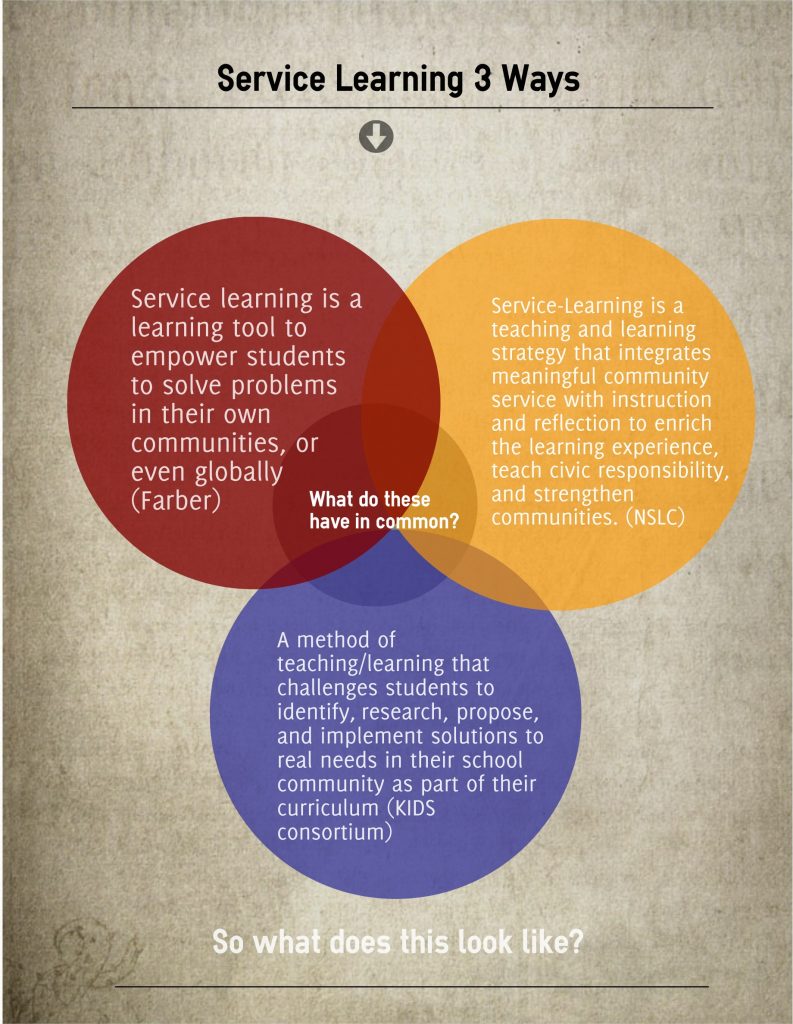
Service learning can be defined as an educational model that integrates meaningful community service with instruction and reflection to enrich the learning experience while addressing real-life problems. It combines academic study with volunteer work or community service to create a powerful educational experience.
In other words, service learning is not just about students volunteering their time but also about integrating these experiences into the curriculum so that they become part of the overall education process.
Benefits of Service Learning
There are several benefits associated with service learning for both students and communities. Here are some of them:
1. Enhanced Learning Experience
Service learning encourages active participation by students in their own education process. Instead of only reading textbooks or listening to lectures, they get involved in real-world situations outside the classroom where they can apply what they have learned in class to solve actual problems facing communities.
2. Personal Growth
Through exposure to diverse populations during their volunteer work, students develop greater empathy, compassion, and awareness of social issues affecting different groups within our society. This leads to personal growth that extends beyond academics into how they view themselves within society.
3. Increased Civic Engagement
When student volunteers engage with local communities through service projects or other initiatives, it helps them understand their responsibilities as citizens better. They learn how government policies impact people’s lives directly while promoting civic engagement among young adults who will soon become active members of society.
4. Career Development Opportunities
Many career fields require employees who possess excellent communication skills along with practical problem-solving abilities gained through hands-on experiences like those provided by service-learning opportunities.
Students participating in such programs often gain valuable insights into career paths they may not have considered before, and it can help them make informed decisions about their future.
5. Social Impact
Service learning programs create positive impacts on communities through the work of students who volunteer their time and skills to meet community needs. This can range from environmental conservation efforts to helping marginalized groups such as refugees or the homeless.
Examples of Service Learning Projects
There are many types of service learning projects that students can participate in, ranging from short-term one-day events to long-term initiatives that last for months or even years.
Here are a few examples:
1. Environmental Conservation
Students can help conserve natural resources by planting trees, cleaning up local parks and beaches, or monitoring water quality in streams and rivers.
2. Community Outreach
Volunteering at food banks, homeless shelters or senior centers provides opportunities for students to interact with people from different backgrounds while providing support services where needed.
3. Health Care Services
Students interested in healthcare careers may volunteer at hospitals, clinics, or nursing homes to gain practical experience working with patients while also contributing meaningfully to their communities’ health outcomes.
4. Education Support Programs
Tutoring programs offer students an opportunity to help younger children improve their academic performance while gaining teaching experience themselves.
5. Political Advocacy
Participating in political campaigns such as voter registration drives or lobbying elected officials on issues important to a community helps build civic engagement skills among youth volunteers.
Conclusion:
Service learning is a powerful tool for promoting meaningful educational experiences while building stronger communities through active citizen participation. It presents opportunities for personal growth, career development, social impact creation and increased civic engagement among young adults who will soon become responsible citizens.
As we continue exploring alternative approaches towards education models that adapt well into our ever-changing world settings; service learning stands out as one model worth including in any modern curriculum – integrating real-world problem-solving activities into traditional classroom instruction will prepare today’s learners better than ever before for tomorrow’s challenges.
 Alternative Amie
Leave a comment