Robotics: A Revolutionary Field of Study
The field of robotics has been advancing by leaps and bounds in recent years. From self-driving cars to robots that can perform complex surgeries, the possibilities seem endless. The rise of robotics has opened up new avenues for exploration and learning, with many schools incorporating it into their curriculum.
One aspect that sets robotics apart from other subjects is its interdisciplinary nature. Students need to have a sound understanding of mechanical engineering, electrical engineering, computer science, and mathematics to excel in this field. This makes it an excellent choice for students who are interested in STEM (Science, Technology, Engineering, and Mathematics) fields.
In addition to its interdisciplinary nature, the study of robotics also fosters creativity and innovation among students. It encourages them to think outside the box when trying to solve problems or come up with new designs. This not only helps them develop critical thinking skills but also prepares them for real-world challenges they may face in their future careers.
There are several ways schools can incorporate robotics into their curriculum. One popular approach is through extracurricular activities such as robotics clubs or competitions. These programs allow students to work collaboratively on projects while developing valuable teamwork skills.
Another way schools can introduce robotics is by integrating it into existing courses such as physics or computer science classes. This approach allows students to see how theoretical concepts they learn in class translate into real-world applications.
For younger learners, there are educational toys like Lego Mindstorms which provide a fun introduction to basic programming concepts using block-based coding languages like Scratch or Blockly.
As technology continues evolving at a breakneck pace, it’s essential that today’s learners are equipped with the necessary tools and knowledge required for success in tomorrow’s workforce. By incorporating robotics into education systems at all levels – from kindergarten through higher education institutions – we’re equipping our children with critical thinking skills vital for success no matter what career path they choose.
One important aspect often overlooked in robotics is the ethical and moral implications that arise. Robotics, like any other technology, can be used for good or bad. It’s essential to teach students about the responsible use of robotics and how it can affect society as a whole.
One such example is autonomous weapons systems. These are weapons that can operate without human intervention and could potentially lead to devastating consequences if not regulated correctly. By teaching students about such issues, we’re preparing them to become responsible citizens who understand the impact their actions may have on others.
Another area where robotics has significant potential is in healthcare. Robots equipped with artificial intelligence (AI) have already been developed that assist doctors in performing surgeries more efficiently and accurately than ever before. They also help patients recover faster by providing rehabilitation exercises tailored to their specific needs.
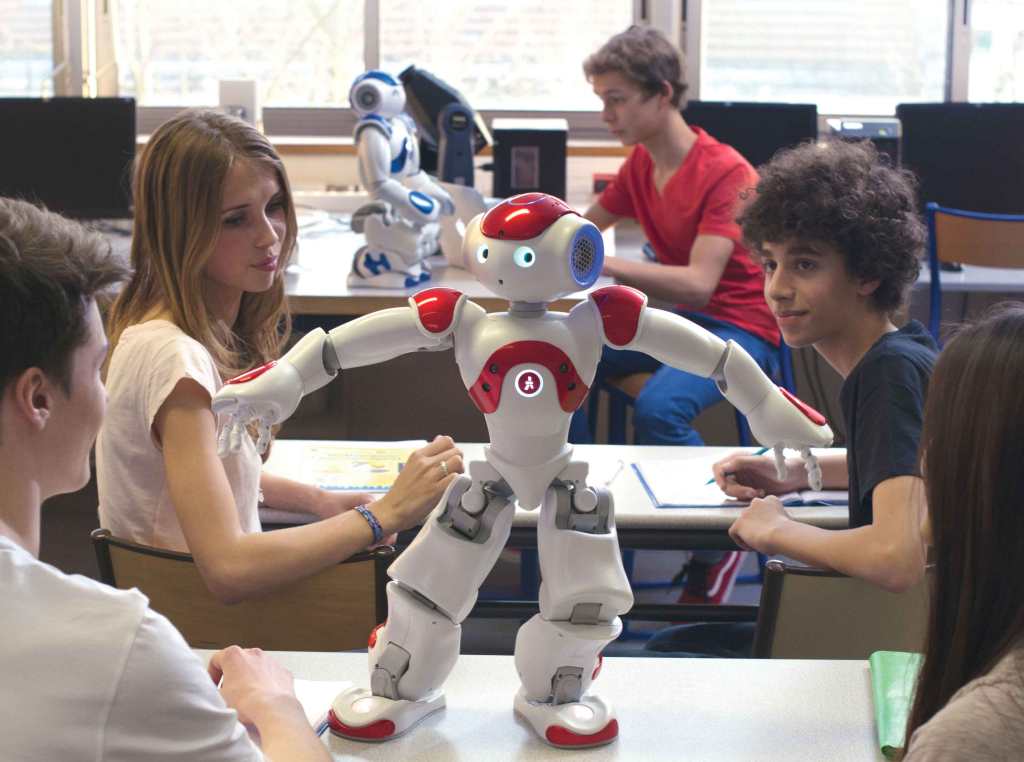
In education itself, robots are being used as tutors and assistants for teachers in classrooms worldwide. These robots not only provide personalized learning experiences for each student but also help educators manage their workload better.
Despite all these benefits, there are still some challenges facing robotics education today. One major challenge is the lack of qualified teachers who possess both technical expertise and teaching skills needed to deliver effective instruction on this subject matter.
Another obstacle is funding – many schools struggle with limited budgets when trying to purchase expensive equipment required for building robots or attending competitions.
To overcome these barriers, partnerships between schools and local industries must be established so that students gain exposure to real-world application areas while companies get access to skilled workers trained by educational institutions themselves.
In conclusion, the rise of robotics offers an exciting opportunity for learners at all levels of education. Its interdisciplinary nature fosters critical thinking skills while encouraging creativity and innovation among students.
By integrating robotics into existing courses or through extracurricular activities like clubs or competitions, we’re preparing our children for tomorrow’s workforce while equipping them with valuable life skills they’ll need throughout their lives. Let us embrace this revolutionary field of study and prepare ourselves for the future!
 Alternative Amie
Leave a comment