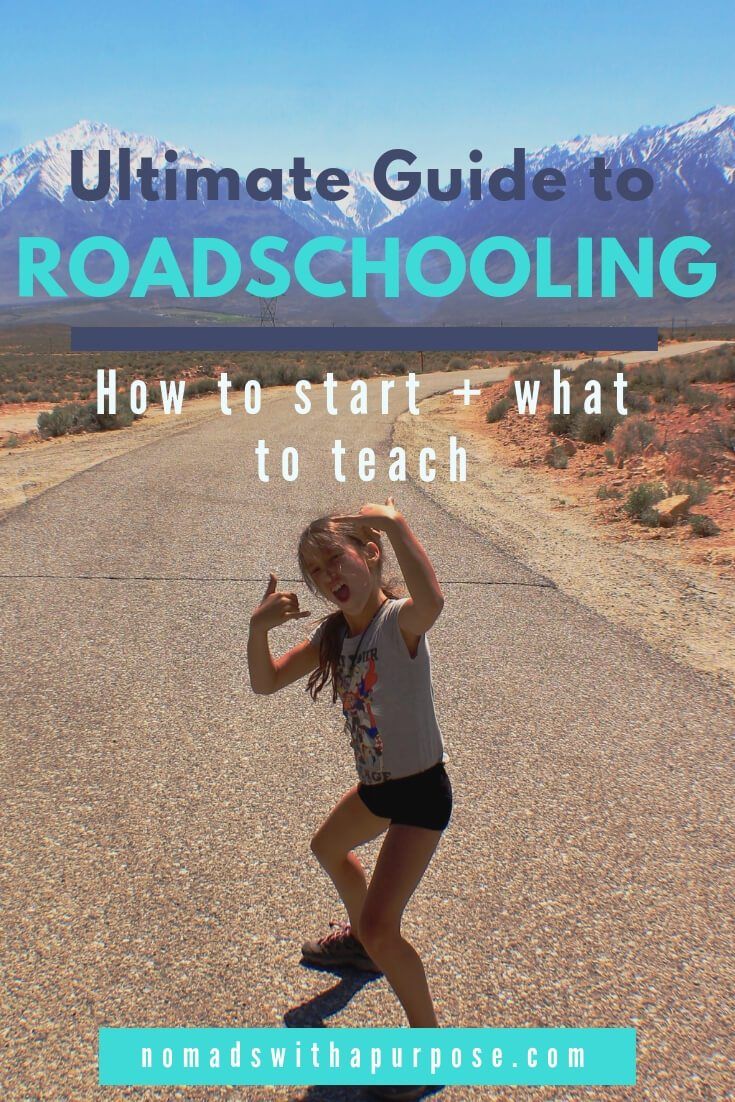
Roadschool Curriculum Planning Tips
If you’re a family that loves to travel and explore new places, then roadschooling might be the perfect fit for your kids’ education. Roadschooled children get to experience hands-on learning opportunities that traditional schools cannot provide. However, planning a curriculum that works while on the road can be challenging. Here are some helpful tips for parents who want to start roadschooling their children.
1. Start with state standards
It’s essential to know what your child should learn in each grade level according to state standards. This will help you create a roadmap of what they need to learn throughout the year and ensure they meet all necessary requirements by the end of it.
2. Choose subjects that align with your travels
One of the biggest advantages of roadschooling is being able to tailor your curriculum around where you’re traveling. Take advantage of this opportunity by choosing topics related to local history, culture, geography or science.
3. Use online resources
Online resources can be incredibly valuable when creating lesson plans on-the-go. Platforms like Khan Academy offer free video lessons on various subjects from math and science, while Duolingo offers language courses for those interested in learning a new language during their travels.
4. Incorporate real-life experiences
When possible, incorporate real-life experiences into lessons such as visiting historical sites or museums or participating in community events like volunteering at local animal shelters or food banks.
5. Plan ahead but remain flexible
It’s important to have a plan before embarking on any journey; however, it’s equally important not to become too rigid about it because travel plans can change unexpectedly due to weather conditions or other unforeseen circumstances.
6. Encourage independent learning
Encouraging independent learning is an excellent way for children who are homeschooling on-the-go because it allows them flexibility over how much time they spend researching topics and which areas interest them most.
7.Connect with other roadschooling families
Roadschooling can sometimes feel isolating, so connecting with other roadschooling families can be incredibly beneficial for both parents and children. Join online communities like Facebook groups or attend events hosted by organizations like Fulltime Families.
In conclusion, roadschooling is a unique way to educate your children while exploring the world around them. By following these tips, you can create a curriculum that aligns with your travels and meets state standards while still allowing for flexibility and hands-on learning opportunities.
 Alternative Amie
Leave a comment