Introduction:
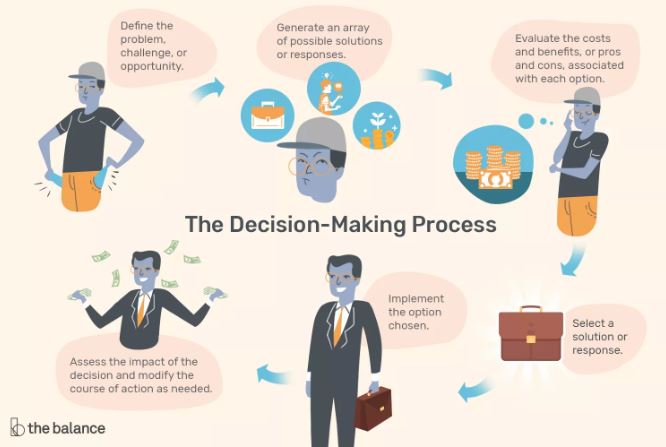
Making decisions is an integral part of our daily lives. Whether it’s choosing what to wear, what to eat or deciding on a career path, we are constantly faced with choices that require us to make a decision. However, making the right decision can be challenging and overwhelming. In this article, we will explore some effective decision-making strategies that can help you make informed and rational decisions.
1. Identify your goals
Before making any decision, it is essential to identify your goals and priorities. This means understanding what you want to achieve in the short term as well as in the long run. Having clear goals helps you stay focused and ensures that your decisions align with your objectives.
2. Evaluate all options
When making a decision, it’s important not to limit yourself by only considering one option but instead exploring all available alternatives before coming up with a final conclusion. Take time to research and gather information about each option available so that you can make an informed choice based on facts rather than assumptions.
3. Weigh the pros and cons
Another useful strategy when making a decision is weighing the pros and cons of each option carefully. By doing this exercise, you can evaluate which alternative offers more advantages over disadvantages or vice versa.
4. Consider potential outcomes
Before making any significant move, consider all possible outcomes for each option presented during evaluation stage mentioned above – whether good or bad – Assessing potential consequences allows individuals anticipate risks involved in every choice they would like made – leaving them better prepared if anything unexpected occurs.
5. Seek advice from others:
It’s always helpful consulting with others who have experience or knowledge concerning whatever situation someone may find themselves into – especially where there are no definite answers yet (e.g., prospective career paths). The outside perspective could provide clarity regarding certain aspects ignored during initial brainstorming sessions alone maybe due personal biases toward specific ideas etcetera; likewise seeking counsel from professionals such as counselors or psychologists could provide insight into how certain decisions can affect one’s mental health, confidence and general wellbeing.
6. Trust your instincts:
It’s essential to trust one’s gut feeling when it comes to making decisions. Our intuition serves as an internal compass that guides us towards what feels right or wrong concerning a specific situation. Although this strategy may not always be the most rational approach – sometimes it helps in situations where there are no clear-cut answers, especially if someone has limited information available about something they must decide on.
7. Prioritize importance:
Sometimes making multiple choices at once might lead to confusion; prioritizing different options according their level of significance is another way individuals can streamline decision-making processes while also ensuring all factors are accounted for during deliberations before final decision made.
8. Don’t fear failure:
One of the common setbacks of people experiencing difficulty with decision-making is the fear of failing – often resulting in indecision due to overthinking possible outcomes and consequences too much instead of just taking action despite potential risks involved. It’s important reminding ourselves that we learn from our mistakes – they enable growth and development such that next time faced with similar challenges we have better strategies implemented earlier on which ultimately leads us toward success rather than repeating same errors over again.
9. Take time out
When facing tough decisions, taking time out away from other distractions allows individuals focus solely on what needs attention without any external interruptions – helping alleviate stress levels which may impact judgement negatively otherwise; Additionally spending some quiet moments alone provides opportunities reflect back upon goals set initially and assess whether best course action taken so far aligns with them or not – thus providing clarity needed moving forward more confidently .
Conclusion:
Making informed decisions is crucial for personal growth and development, particularly when dealing with life-changing events like choosing a career path or starting a business venture etcetera ; By utilizing various strategies discussed above including weighing pros/cons, considering potential outcomes seeking counsel from others (professionals, family friends), prioritizing importance among others it is possible to make better decisions that are based on facts rather than assumptions making one more likely succeed in whatever they choose to do.
 Alternative Amie
Leave a comment